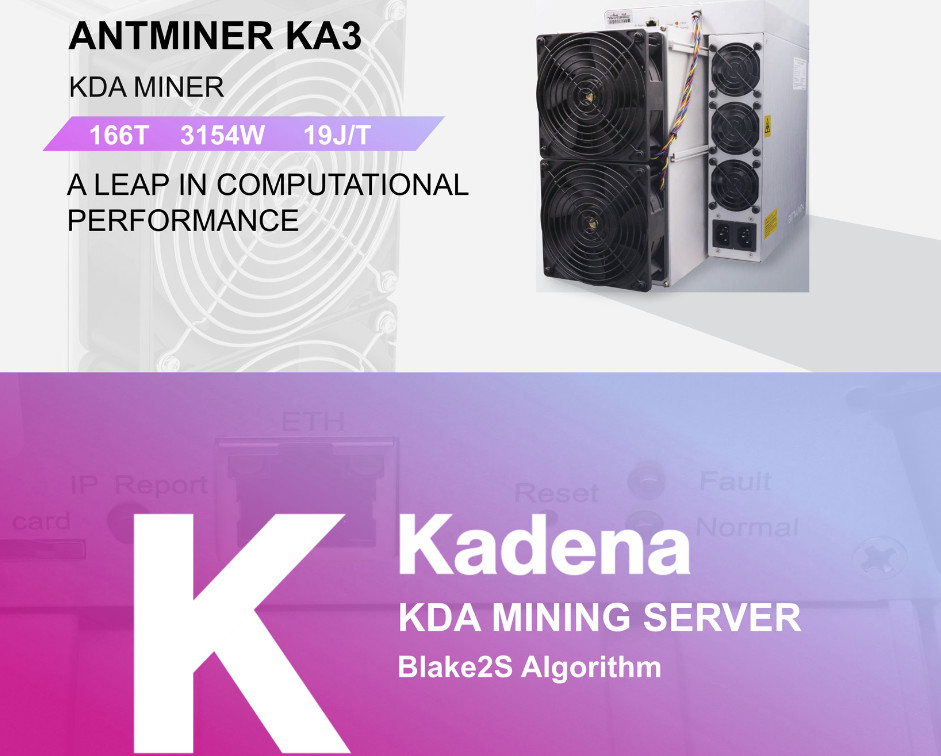


Bitcoin mining has become a significant aspect of the cryptocurrency ecosystem, driving both technological advancements and economic discussions. One of the critical metrics that miners need to understand is hashprice. This term refers to the revenue generated per terahash of computational power used in mining Bitcoin. Understanding hashprice is essential for miners to evaluate their profitability and operational strategies.
What is Hashprice?
Hashprice is essentially a measure that indicates how much a miner can earn based on their hashing power. It fluctuates due to various factors, including Bitcoin’s market price, mining difficulty, and the overall network hash rate. For a detailed explanation of hashprice and its implications, you can refer to the article on OneMiners.
Factors Influencing Hashprice
- Bitcoin Price: The most direct influence on hashprice is the market price of Bitcoin. When prices rise, hashprice tends to increase, making mining more profitable.
- Mining Difficulty: This adjusts approximately every two weeks based on the total computational power of the network. Higher difficulty means more competition and can lower hashprice.
- Network Hash Rate: The total computational power being used by all miners affects how much Bitcoin is mined and, consequently, the hashprice.
Miners must continuously monitor these factors to optimize their operations and maintain profitability.

Calculating Profitability in Bitcoin Mining
To determine whether mining is profitable, miners can use the hashprice to calculate their expected earnings. This involves considering their operational costs, including electricity, hardware, and cooling systems. For example, if a miner’s hashprice is $0.10 per terahash and they operate at 100 terahashes, their gross revenue would be $10 per day. However, after accounting for costs, the net profit may be significantly lower.
For more insights on market volatility affecting Bitcoin prices, check out the analysis on CoinDesk.
Strategies for Miners
Given the volatility in hashprice, miners can adopt several strategies to enhance their profitability:
- Optimize Energy Costs: Finding cheaper electricity sources can significantly improve profit margins.
- Invest in Efficient Hardware: Upgrading to more efficient mining rigs can increase hashpower without a proportional increase in costs.
- Join Mining Pools: Collaborating with other miners can provide more consistent earnings by pooling resources and sharing rewards.
As the landscape of Bitcoin mining continues to evolve, miners must stay informed about market trends and technological advancements.

Conclusion
Understanding hashprice is crucial for anyone involved in Bitcoin mining. By keeping an eye on market conditions and optimizing operational strategies, miners can navigate the complexities of this dynamic industry. For further reading on the implications of recent market changes, visit Bitcoin Magazine.