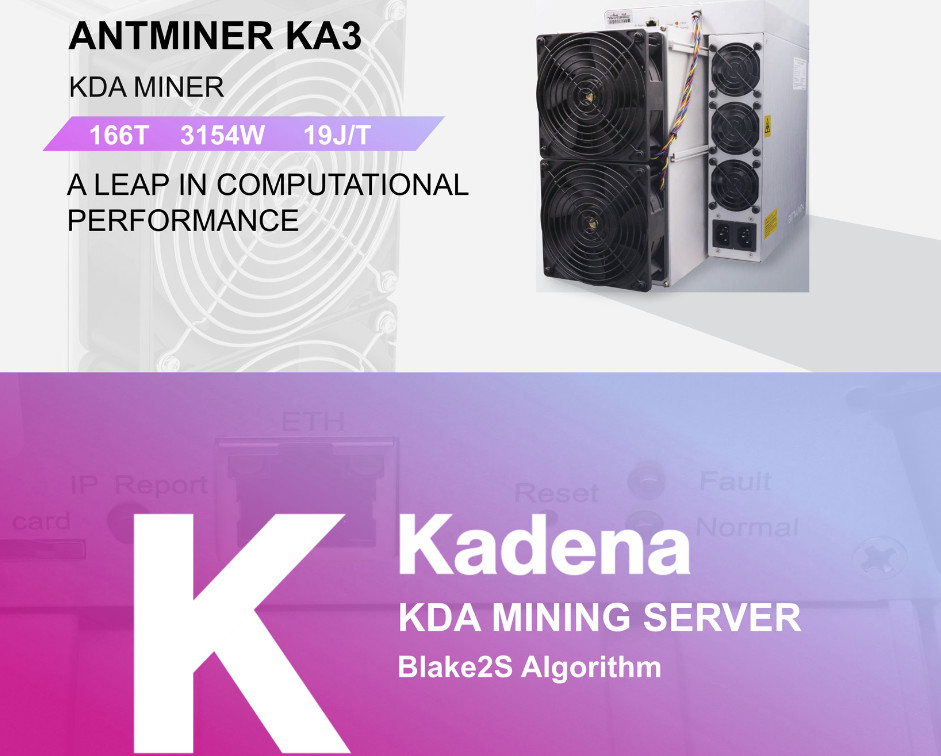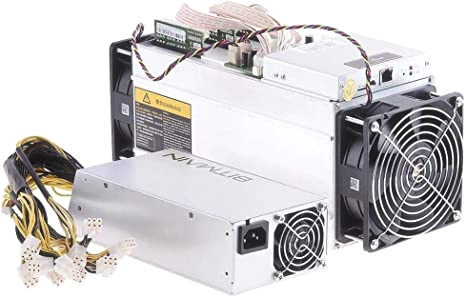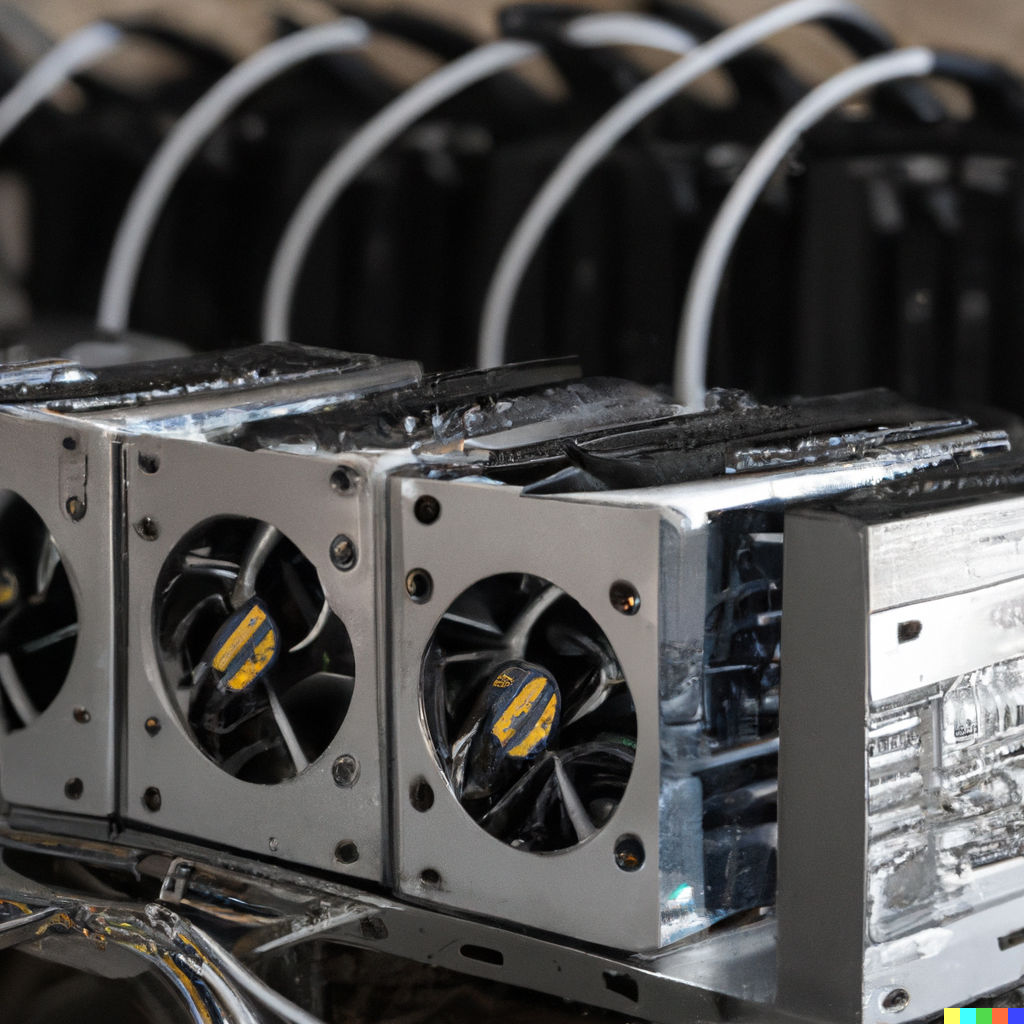


Bitcoin mining is a crucial process that underpins the entire Bitcoin network. It involves validating transactions and adding them to the blockchain, ensuring the integrity and security of the cryptocurrency. As the popularity of Bitcoin continues to grow, so does the complexity and competitiveness of mining.
What is Bitcoin Mining?
At its core, Bitcoin mining is the process of solving complex mathematical problems to validate transactions on the Bitcoin network. Miners use powerful computers, known as ASICs (Application-Specific Integrated Circuits), to perform these calculations. When a miner successfully solves a problem, they add a new block to the blockchain and are rewarded with newly minted Bitcoins.
The Mining Process
The mining process can be broken down into several key steps:
- Transaction Verification: Miners collect and verify transactions from the Bitcoin network.
- Block Creation: Verified transactions are grouped into a block.
- Solving the Puzzle: Miners compete to solve a cryptographic puzzle associated with the block.
- Adding to the Blockchain: The first miner to solve the puzzle adds the block to the blockchain.
- Reward Distribution: The successful miner receives Bitcoin as a reward.

Challenges in Bitcoin Mining
While Bitcoin mining can be lucrative, it also comes with significant challenges:
- High Energy Consumption: Mining requires substantial electricity, leading to concerns about environmental impact.
- Increasing Difficulty: As more miners join the network, the difficulty of solving puzzles increases, requiring more powerful hardware.
- Market Volatility: The price of Bitcoin can fluctuate dramatically, affecting the profitability of mining operations.
Future Trends in Bitcoin Mining
The future of Bitcoin mining is shaped by several emerging trends:
- Renewable Energy: Many miners are exploring renewable energy sources to mitigate environmental concerns and reduce costs.
- Mining Pools: Miners are increasingly joining pools to combine resources and share rewards, making mining more accessible.
- Technological Advancements: Innovations in hardware and software are making mining more efficient and less resource-intensive.
For those interested in starting their own mining operation, a detailed guide can be found on OneMiners, which outlines the steps to purchase a Bitcoin miner in installments.
Additional reading: U.S. inflation, corporate earnings: Crypto Week Ahead from CoinDesk.
Additional reading: This Bitcoin Developer’s Idea Would Make Quantum Attacks a Losing Bet from Decrypt.
Conclusion
Bitcoin mining remains a vital component of the cryptocurrency ecosystem. Understanding its processes, challenges, and future trends can help potential miners make informed decisions. As technology evolves, so too will the landscape of Bitcoin mining, presenting both opportunities and challenges for enthusiasts and investors alike.