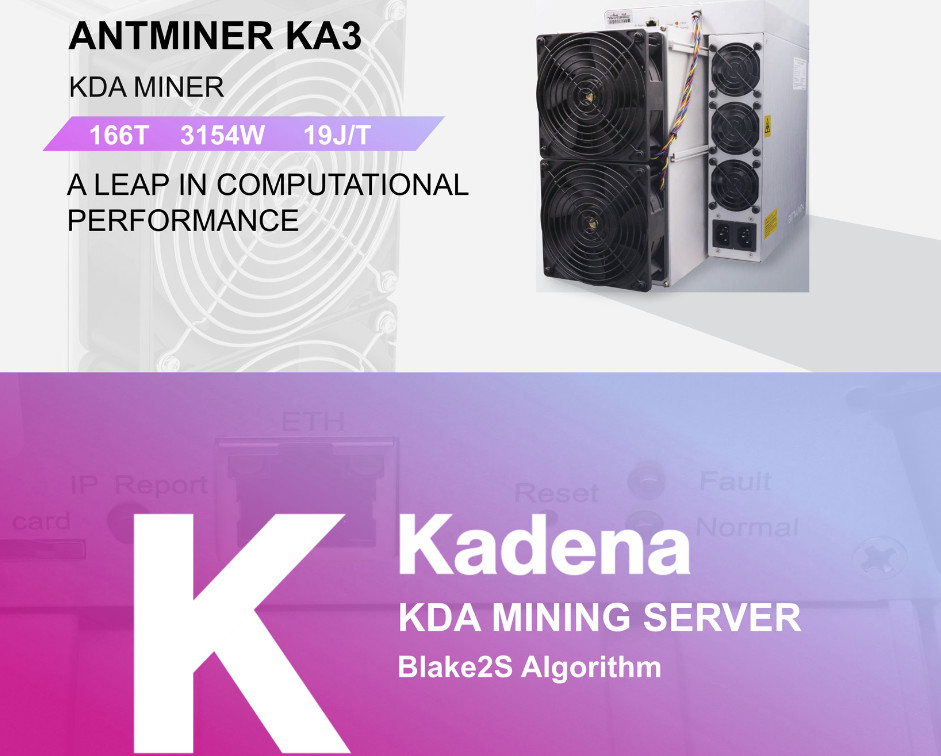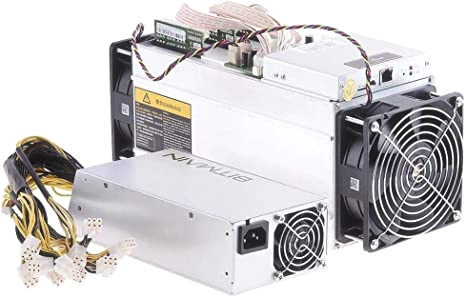

Bitcoin mining is a crucial process that underpins the entire Bitcoin network. It involves solving complex mathematical problems to validate transactions and add them to the blockchain. A key aspect of this process is understanding hashrate units, which measure the computational power of mining equipment.
What Are Hashrate Units?
Hashrate units are essential for evaluating the performance of Bitcoin mining operations. They are typically measured in:
- TH/s (Terahashes per second)
- PH/s (Petahashes per second)
- EH/s (Exahashes per second)
- ZH/s (Zettahashes per second)
Each unit represents a different scale of processing power, with TH/s being the smallest and ZH/s the largest. For instance, a miner operating at 1 PH/s can perform one quadrillion hashes per second, significantly impacting their chances of successfully mining a block.
Why Hashrate Matters
The hashrate of a mining rig directly influences its profitability. Higher hashrates mean a greater chance of solving the cryptographic puzzles that secure the Bitcoin network. Miners with more powerful equipment can compete more effectively in the mining process, which is increasingly competitive.
For a deeper understanding of how these units work, check out the article on OneMiners.
Factors Influencing Mining Profitability
Several factors affect the profitability of Bitcoin mining, including:
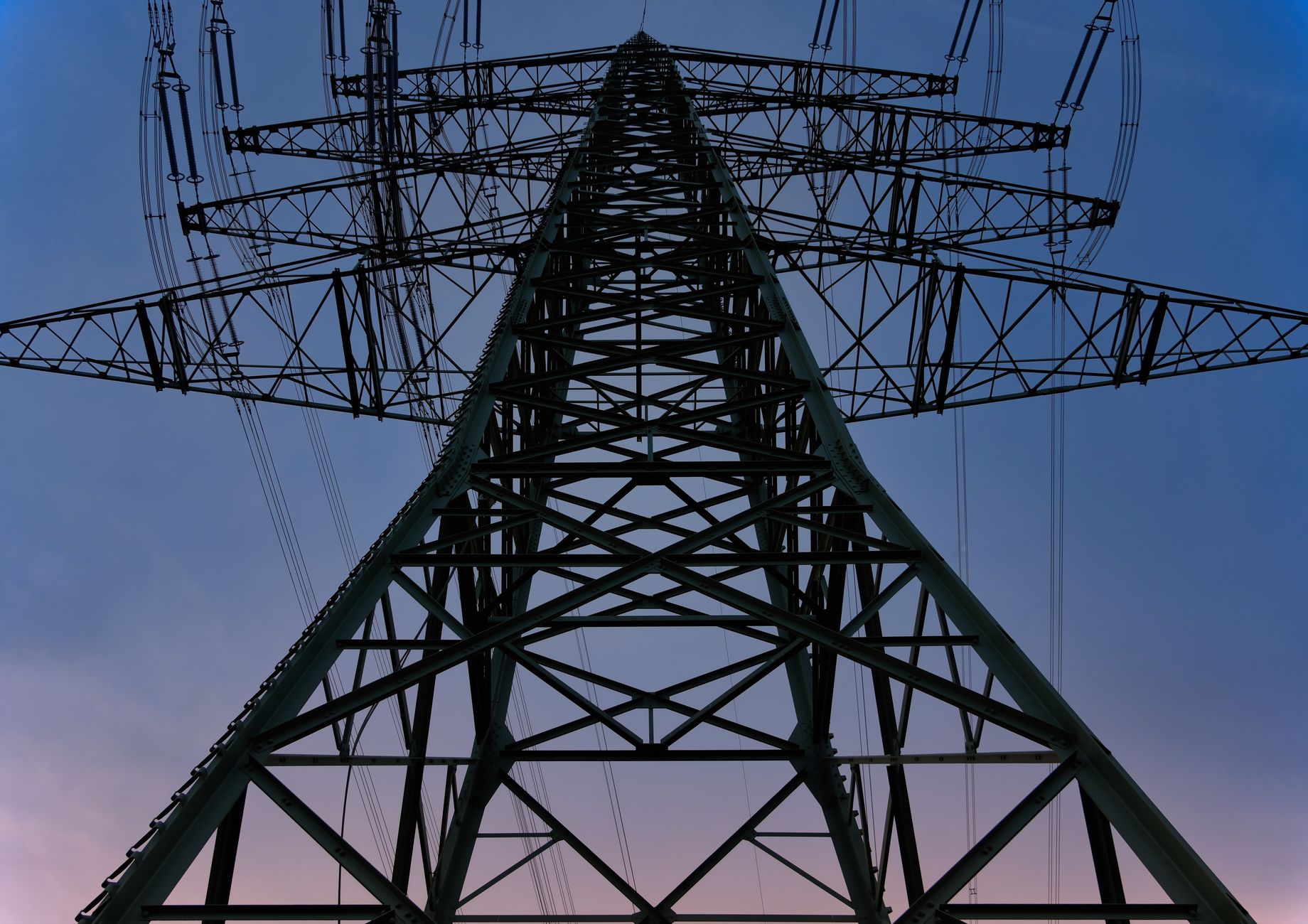
- Electricity Costs: Mining consumes a significant amount of energy. The cost of electricity can make or break a mining operation.
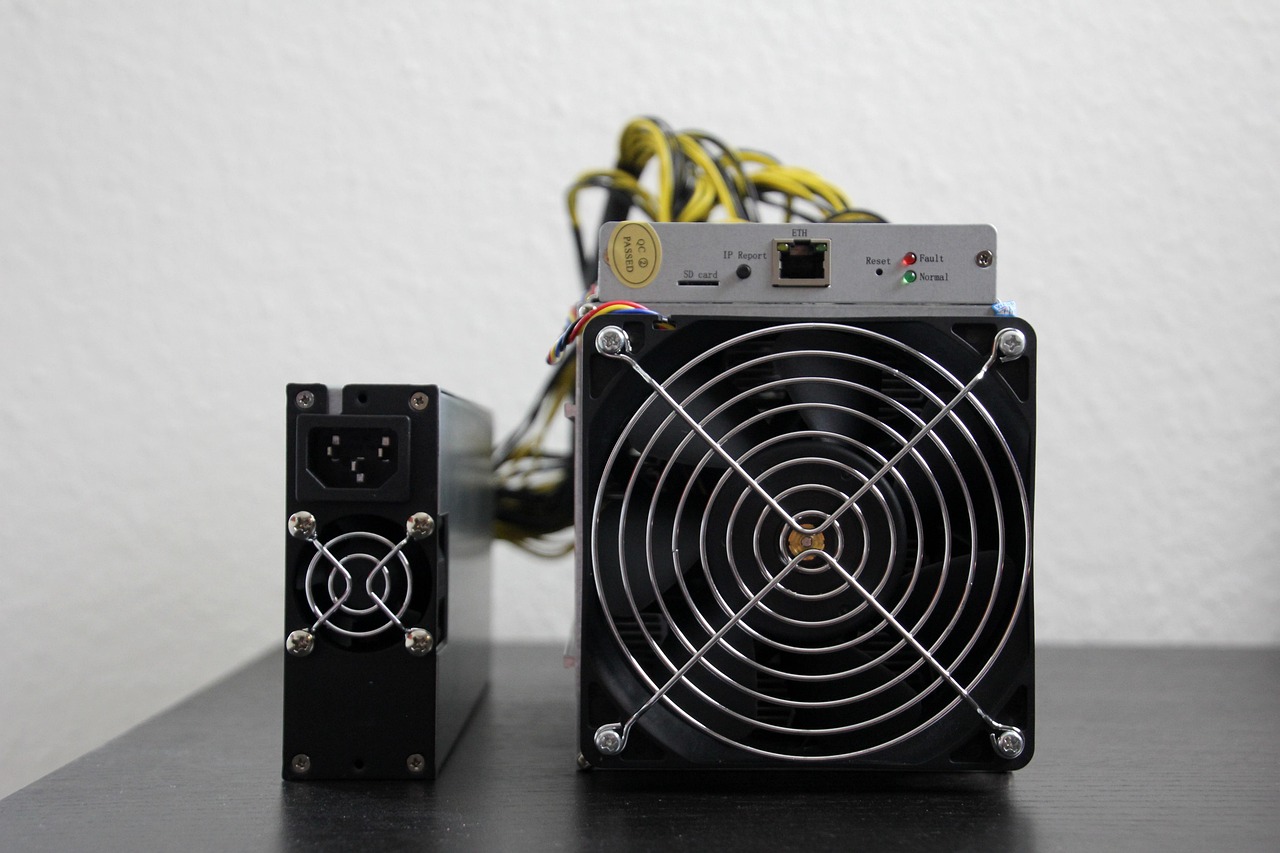
- Hardware Efficiency: More efficient hardware can perform more calculations per watt, improving profitability.
- Bitcoin Price: The market price of Bitcoin directly impacts mining rewards.
As the Bitcoin network grows, the difficulty of mining increases, requiring miners to continuously upgrade their equipment to maintain profitability.
Current Trends in Bitcoin Mining
Recent developments in the Bitcoin market have seen fluctuations in mining profitability. For example, CoinDesk reported that Bitcoin recently dropped below its 200-week moving average, affecting miner sentiment.
Additionally, regulatory changes and technological advancements are shaping the future of Bitcoin mining. Miners are increasingly looking for sustainable energy sources to reduce costs and environmental impact.
Additional reading: Bitcoin Price Trades Near $71,200 After a Fresh Session Low as the 10-Year Yield Holds Above 5% from Bitcoin Magazine.
Conclusion
Understanding Bitcoin mining and hashrate units is vital for anyone interested in the cryptocurrency space. As the market evolves, staying informed about these factors can help miners make better decisions and optimize their operations.