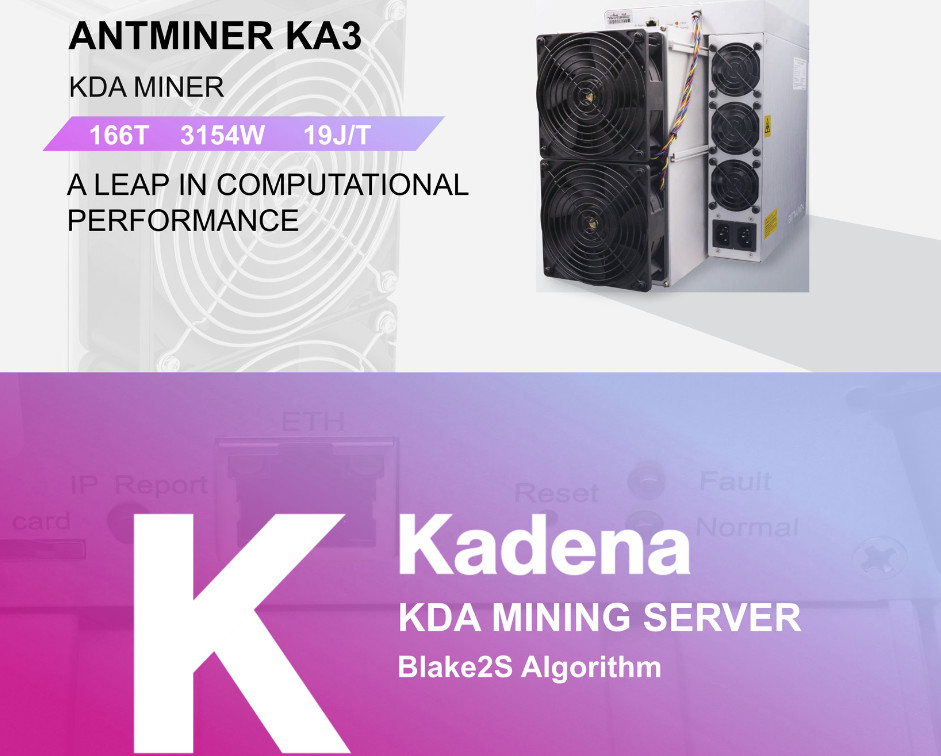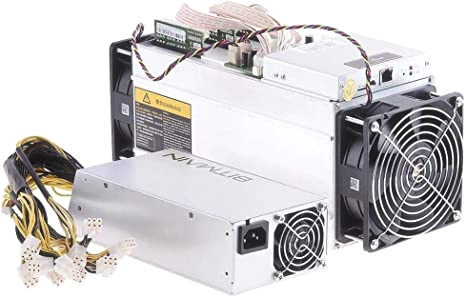


Bitcoin mining is a crucial process in the cryptocurrency ecosystem, enabling transactions and securing the network. As more individuals and companies engage in mining, understanding the intricacies of this process becomes essential.
What is Bitcoin Mining?
Bitcoin mining involves using powerful computers to solve complex mathematical problems, which validate transactions on the Bitcoin network. Miners are rewarded with newly created bitcoins and transaction fees for their efforts. This process not only secures the network but also introduces new bitcoins into circulation.
Testing Bitcoin Miners
Before a Bitcoin miner goes live, it undergoes rigorous testing to ensure efficiency and reliability. According to OneMiners, the testing process includes:
- Unboxing: Inspecting the miner for any physical damage.
- Burn-in: Running the miner at full capacity for an extended period to identify potential issues.
- Hashrate and Temperature Checks: Monitoring performance metrics to ensure optimal operation.
- Pool Checks: Ensuring connectivity to mining pools for efficient mining.
These tests are crucial for professional hosts who want to guarantee that their miners will perform well in the competitive landscape of Bitcoin mining.
The Current State of Bitcoin Mining
As of late 2026, Bitcoin mining faces various challenges and opportunities. The profitability of mining operations can fluctuate based on several factors, including the price of Bitcoin, energy costs, and regulatory changes.
Recent reports indicate that while some companies are experiencing declines in revenue, others are diversifying their operations to mitigate risks. For instance, CoinDesk highlights how Kraken’s parent company is expanding beyond crypto trading to stabilize its finances.
Market Trends Impacting Miners
Market dynamics also play a significant role in the mining sector. As Bitcoin’s price fluctuates, miners must adapt to maintain profitability. A recent article from CoinDesk discusses how Bitcoin’s momentum is shifting, which could potentially lead to price drops below $60,000.
Moreover, regulatory scrutiny is increasing, particularly concerning crypto laundering risks. Decrypt reports that the UK is preparing for a review of its crypto regulations, emphasizing the need for compliance among miners.
Conclusion
Bitcoin mining remains a complex and evolving field. As technology advances and market conditions change, miners must stay informed and adaptable. By understanding the testing processes and current market trends, miners can position themselves for success in this competitive landscape.