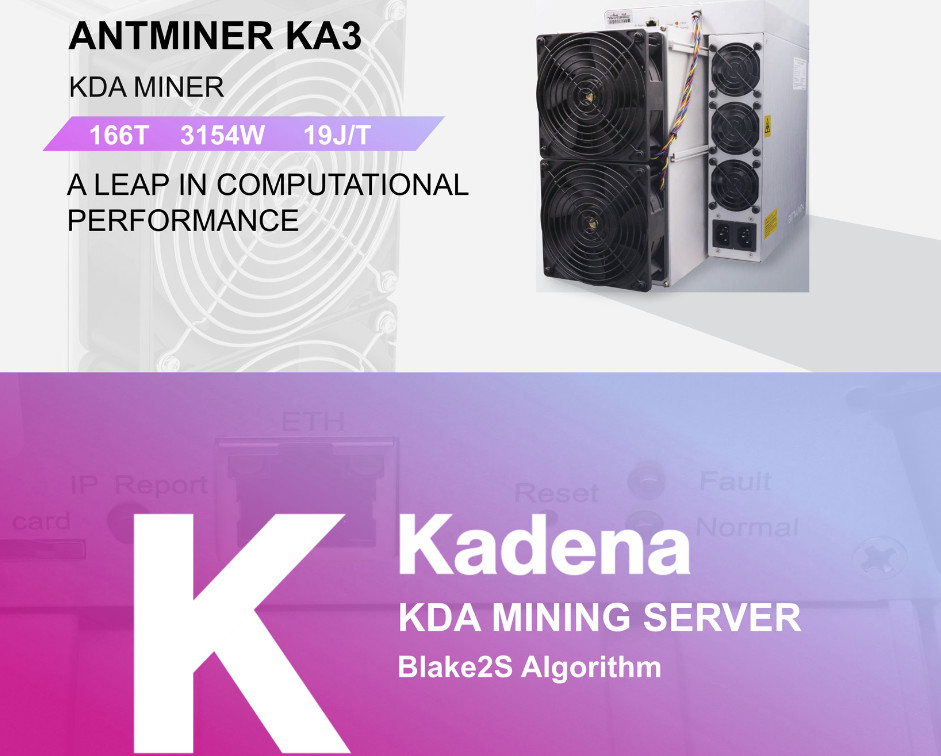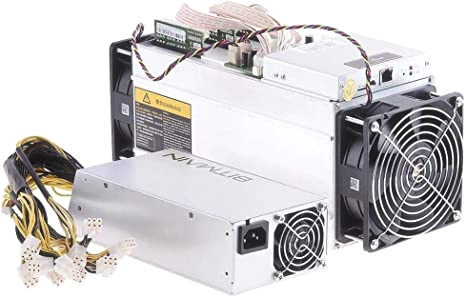


Bitcoin mining has become a crucial component of the cryptocurrency ecosystem, enabling transactions and securing the network. Understanding how mining pools operate can significantly enhance your mining efficiency and profitability. In this article, we will explore the key metrics displayed on mining pool dashboards, including accepted, stale, and rejected shares.
What is a Mining Pool?
A mining pool is a group of miners who combine their computational resources to increase the chances of solving a block. When a block is successfully mined, the rewards are distributed among the members based on their contributed hash power. This collaborative approach allows miners to receive more consistent payouts compared to solo mining.
Key Metrics on Mining Pool Dashboards
Mining pool dashboards provide vital information that helps miners assess their performance and the pool’s efficiency. Here are some essential metrics:
- Accepted Shares: These are the shares submitted by miners that meet the pool’s difficulty target. Accepted shares contribute to the pool’s overall hash rate.
- Stale Shares: Stale shares are those that were submitted after the pool has already found a block. They do not contribute to the mining rewards.
- Rejected Shares: These are shares that do not meet the pool’s difficulty requirements and are therefore discarded. A high number of rejected shares can indicate issues with a miner’s setup.
For a deeper understanding of these metrics, you can refer to the article on OneMiners.
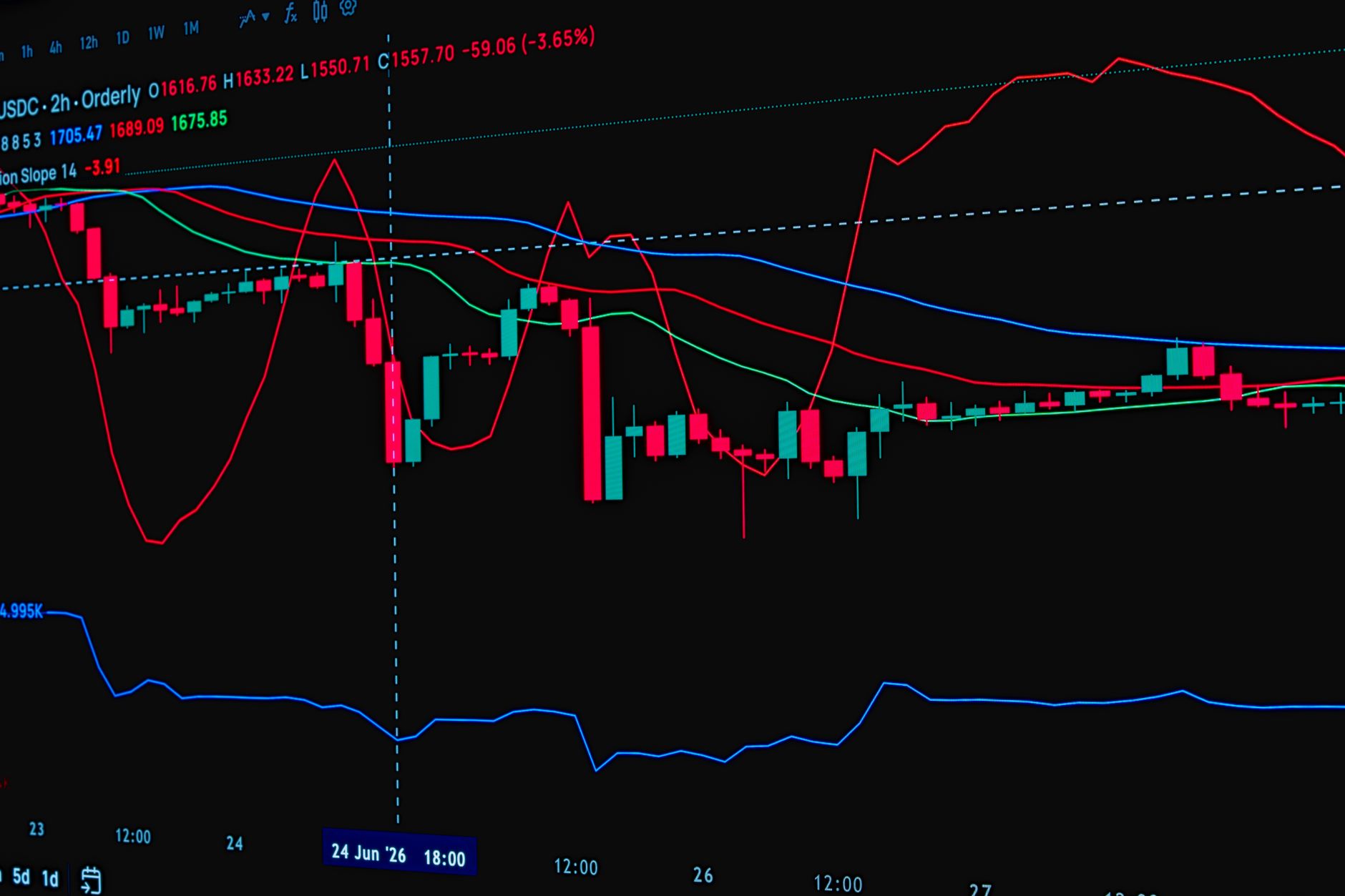
Why Monitoring These Metrics is Important
Monitoring accepted, stale, and rejected shares is crucial for optimizing your mining strategy. Here’s why:
- Performance Optimization: By analyzing accepted shares, miners can gauge their performance and make necessary adjustments to their hardware or settings.
- Identifying Issues: A high rate of stale or rejected shares can indicate problems with internet connectivity or hardware malfunctions.
- Profitability Analysis: Understanding these metrics helps miners evaluate the profitability of their mining efforts and decide whether to continue or switch pools.
For further insights into the implications of mining metrics, check out this article from CoinDesk.
Additional reading: Bitcoin Policy Institute Rebrands as Finney Foundation for Open Technology from Bitcoin Magazine.

Conclusion
Understanding Bitcoin mining and the metrics associated with mining pools is essential for anyone looking to maximize their mining efforts. By focusing on accepted, stale, and rejected shares, miners can optimize their strategies and enhance their profitability. As the cryptocurrency landscape evolves, staying informed about these metrics will be key to successful mining.