
As we delve into 2026, the world of Bitcoin mining continues to evolve, driven by technological advancements and market dynamics. This article explores key trends, metrics, and insights that define the current landscape of Bitcoin mining.
Key Metrics Defining Bitcoin Mining in 2026
According to a recent report from OneMiners, several critical numbers have emerged that encapsulate the state of Bitcoin mining this year. These include:
- Hashrate: Approaching 1 ZH/s, indicating a robust network capacity.
- Block Subsidy: Currently at 3.125 BTC, impacting miner profitability.
- Mining Difficulty: Adjustments reflecting the competitive landscape.
- Hashprice: The revenue miners earn per terahash.
- Efficiency: Improvements in energy consumption per hash.
- Hosting Trends: Shifts towards more sustainable energy sources.
These metrics not only highlight the current state of the mining industry but also provide insights into future trends.
Technological Advancements in Mining Equipment
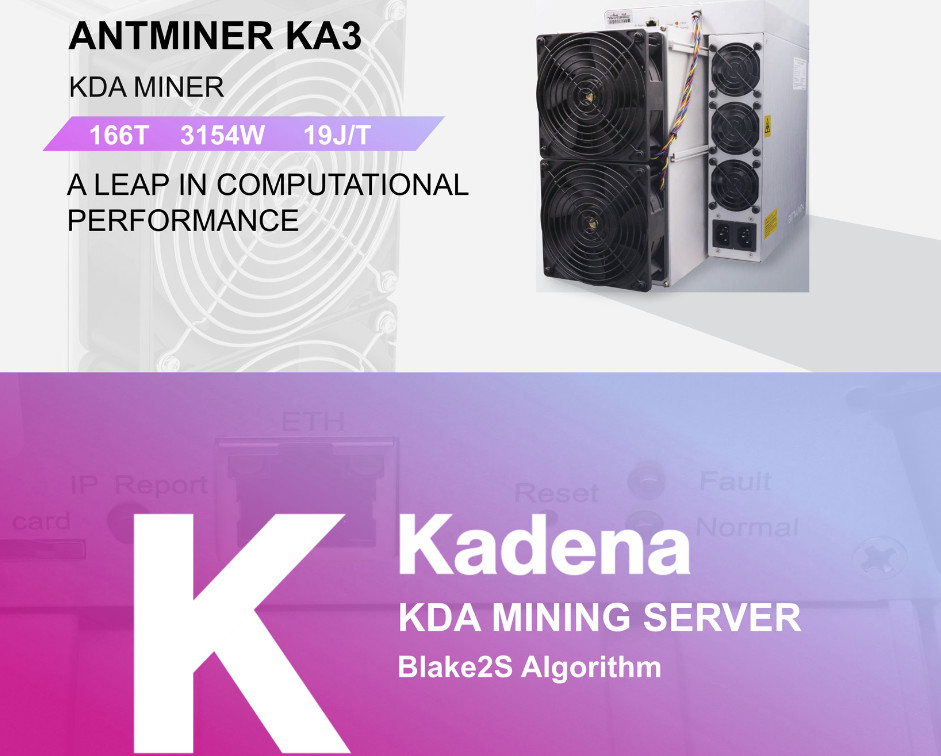
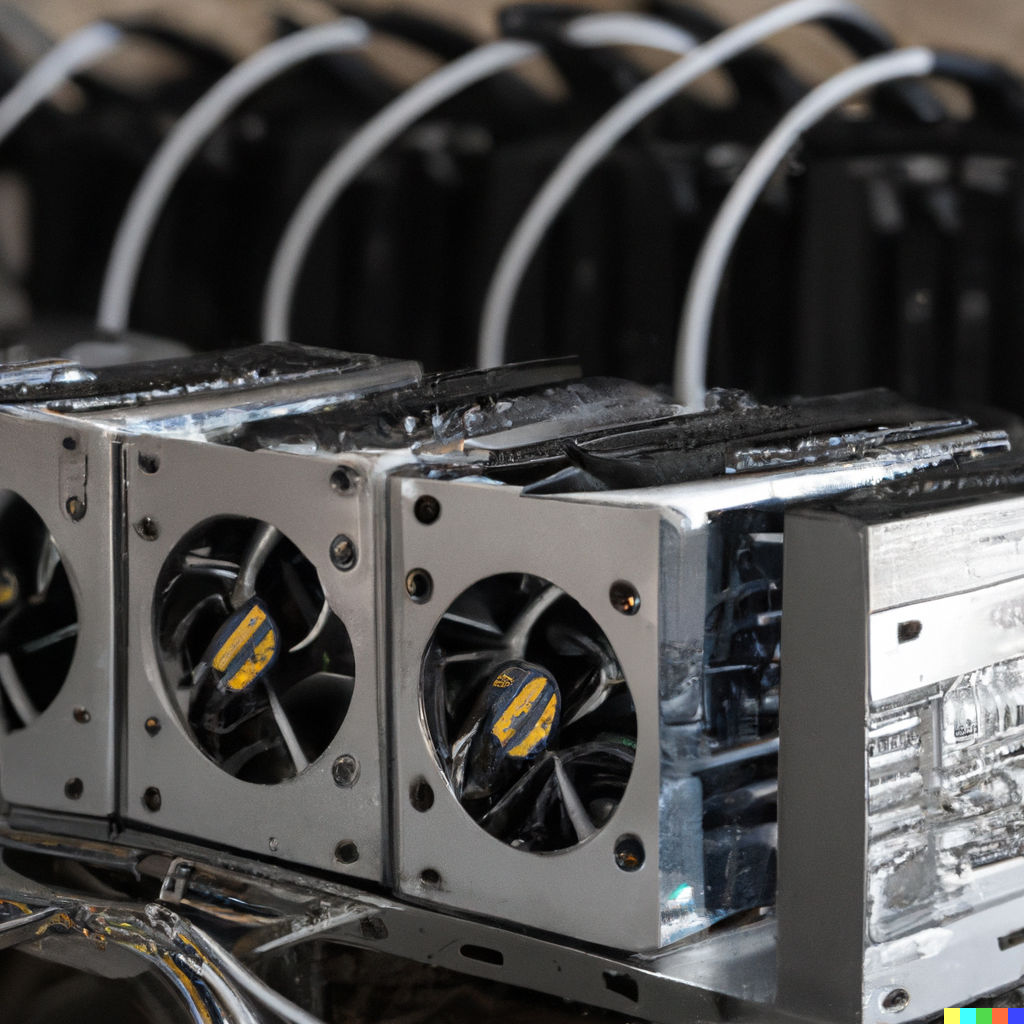
The efficiency of mining operations is heavily reliant on the technology used. In 2026, we see a significant shift towards more energy-efficient ASIC miners. These advancements are crucial as energy costs remain a primary concern for miners worldwide.
Furthermore, the integration of AI and machine learning in mining operations is becoming more prevalent. These technologies help optimize performance and predict maintenance needs, thereby reducing downtime and costs.

Environmental Considerations in Bitcoin Mining
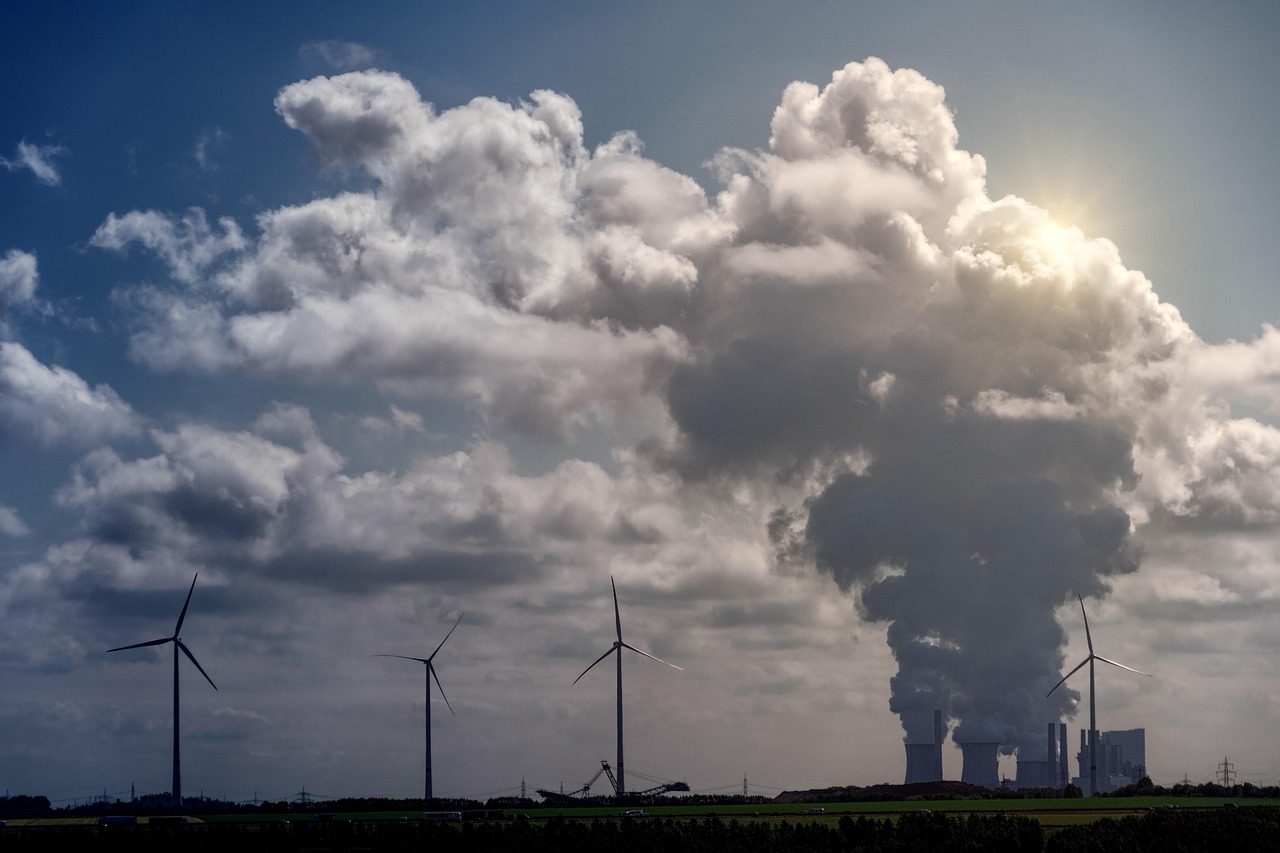
As Bitcoin mining faces scrutiny over its environmental impact, many operations are transitioning to renewable energy sources. Reports indicate that a growing number of mining facilities are powered by solar, wind, and hydroelectric energy. This shift not only addresses environmental concerns but also stabilizes energy costs in the long run.
For example, Bitcoin Magazine discusses how regulatory frameworks are evolving to accommodate these changes, emphasizing the importance of sustainable practices in the industry.
Market Dynamics and Future Predictions
The Bitcoin market is influenced by various factors, including regulatory changes and macroeconomic conditions. As highlighted by CoinDesk, the ongoing legal battles and regulatory scrutiny can impact market forecasts and miner operations.
Moreover, the potential for a ‘death cross’ in Bitcoin’s price, as discussed in another CoinDesk article, raises questions about the future profitability of mining. Miners must remain agile and informed to navigate these challenges effectively.
Conclusion
In conclusion, Bitcoin mining in 2026 is characterized by significant technological advancements, a shift towards sustainability, and a complex regulatory environment. As miners adapt to these changes, staying informed and agile will be crucial for success in this dynamic landscape. For more insights, check out the full report on OneMiners.