

The Best Mining Pools for 2026: A Guide to Maximizing Crypto Profits
Selecting the right mining pool can make or break your profitability. Drawing on this comprehensive guide, we explore how payout models, fees, and performance shape your returns.

Understanding Mining Pool Payout Models
Mining pools use different reward structures—PPLNS, PPS, and FPPS—each balancing risk and reward. PPLNS (Pay Per Last N Shares) aligns payouts with contribution ratios, while PPS (Pay Per Share) offers stable but fee-adjusted returns. FPPS adds a share of transaction fees, boosting long-term yield. To project your returns under each model, try the ASICProfit fee calculator for a real-world simulation.
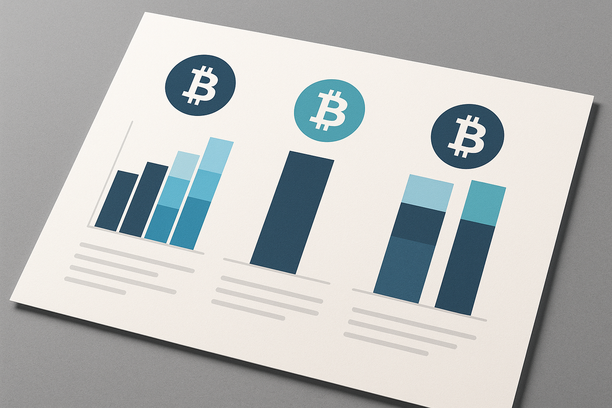
Comparing Fees, Performance, and Reliability
Beyond payout formulas, pool fees and hashrate stability are critical. Industry leaders like OneMiners enterprise-grade hosting offer Tier-1 electricity rates and robust uptime. Alternatively, services such as MineASIC hosting solutions provide customizable hardware deployments. Evaluate a pool’s fee percentage against its hashrate distribution and server locations to minimize latency and maximize uptime.

Market Dynamics and the Halving Impact on Profits
Every four years, Bitcoin undergoes a halving that cuts miner rewards in half, reshaping profitability forecasts. According to the Crypto Cycle Guide, historical data shows a flattening of margins post-halving. This underlines the importance of low-fee pools and efficient hardware as rewards dwindle.
Security Considerations: Avoiding Cryptojacking and Malware
Pool selection also demands scrutiny of security protocols. A recent analysis revealed a cryptojacking campaign deploying malicious ISO images with RATs to hijack computing resources for unauthorized mining. Learn more in the security report. Always use pools with strict IP whitelisting, SSL encryption, and regular audits to protect your equipment.