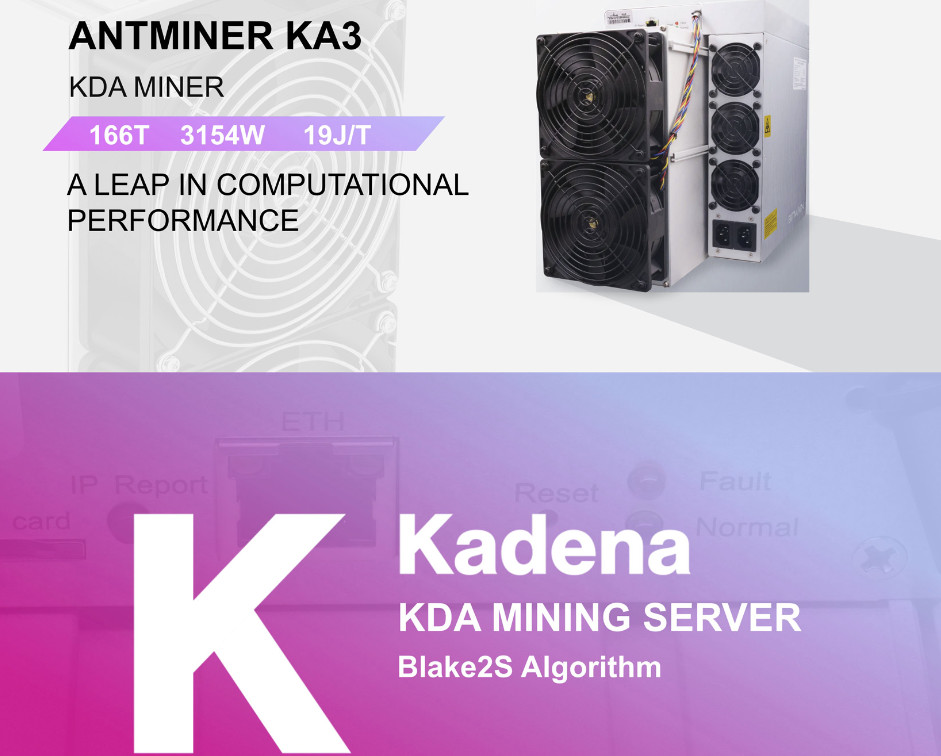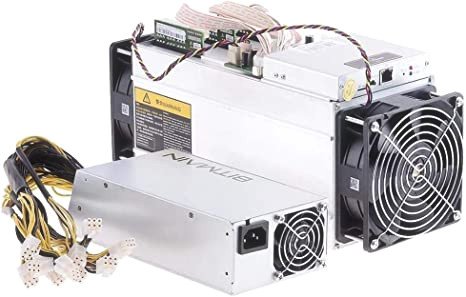


In recent years, Bitcoin mining has undergone significant transformations, particularly with the advent of artificial intelligence (AI) technologies. This evolution is not merely a trend but a necessary adaptation to the increasing demands for efficiency and profitability in the crypto industry.
The Rise of AI in Bitcoin Mining
Bitcoin miners are increasingly turning to AI to optimize their operations. According to a recent article from OneMiners, the 12 biggest AI and high-performance computing (HPC) deals signed by Bitcoin miners highlight this shift. These deals are reshaping the landscape of mining, allowing companies to enhance their hashrate and reduce operational costs.
AI technologies can analyze vast amounts of data to predict market trends, optimize energy consumption, and improve hardware efficiency. This capability is crucial as miners face rising energy costs and increased competition.
How AI Enhances Mining Efficiency
One of the primary benefits of integrating AI into Bitcoin mining is the ability to monitor and manage mining rigs more effectively. AI algorithms can detect anomalies in performance, allowing for proactive maintenance and minimizing downtime. This leads to a more efficient mining operation, which is essential in a market where margins can be thin.
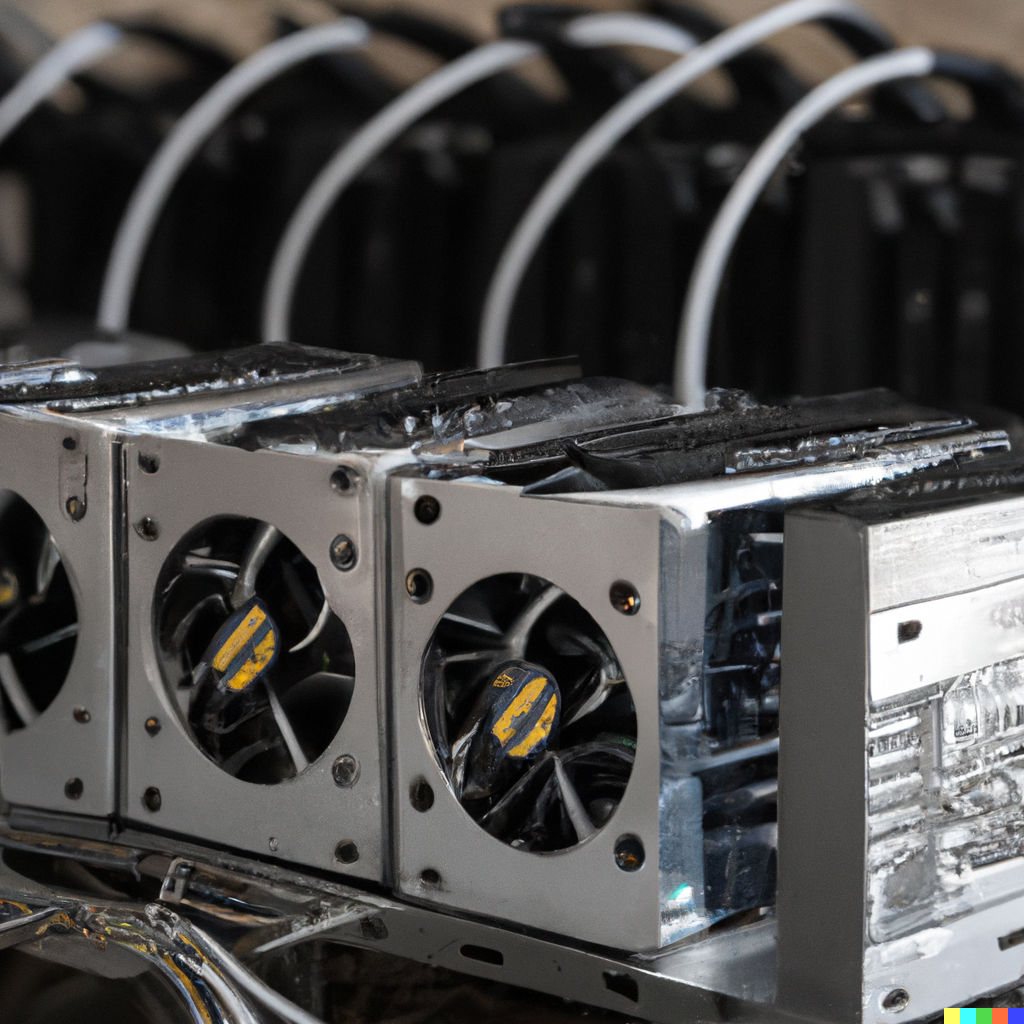
Furthermore, AI can assist in optimizing the cooling systems necessary for mining rigs. Effective cooling is vital to prevent overheating, which can damage equipment and lead to costly repairs. By using AI to manage cooling systems, miners can ensure that their operations run smoothly and efficiently.
Market Implications of AI in Bitcoin Mining
The integration of AI technologies in Bitcoin mining is not just about operational efficiency; it also has broader market implications. As miners become more efficient, the overall hashrate of the Bitcoin network can increase, potentially leading to a more stable and secure network.
Additionally, with the rise of AI, miners may find new revenue streams. For instance, they can offer AI-driven analytics services to other businesses in the crypto space. This diversification can help miners mitigate risks associated with Bitcoin price volatility.
However, this shift also raises questions about the future of smaller miners. As larger operations adopt AI technologies, smaller miners may struggle to compete. This could lead to further consolidation in the industry, as smaller players are pushed out of the market.
Regulatory Considerations
As the Bitcoin mining industry evolves, regulatory bodies are also taking notice. According to CoinDesk, Wall Street is becoming impatient with Congress regarding crypto regulations. This regulatory uncertainty can impact how AI technologies are implemented in mining operations, as compliance with new regulations will be essential for long-term success.
Moreover, as miners pivot to AI, they must also consider the ethical implications of their operations. Ensuring that AI technologies are used responsibly will be crucial in maintaining public trust and avoiding potential backlash.
Additional reading: Ledger Says Organized Crime Group Spent Millions Targeting Hardware Wallet Users from Bitcoin Magazine.
Conclusion
The evolution of Bitcoin mining through the integration of AI technologies represents a significant shift in the industry. While this transformation offers numerous benefits, including enhanced efficiency and new revenue opportunities, it also poses challenges, particularly for smaller miners. As the landscape continues to evolve, staying informed about market trends and regulatory developments will be essential for all stakeholders in the Bitcoin mining ecosystem.