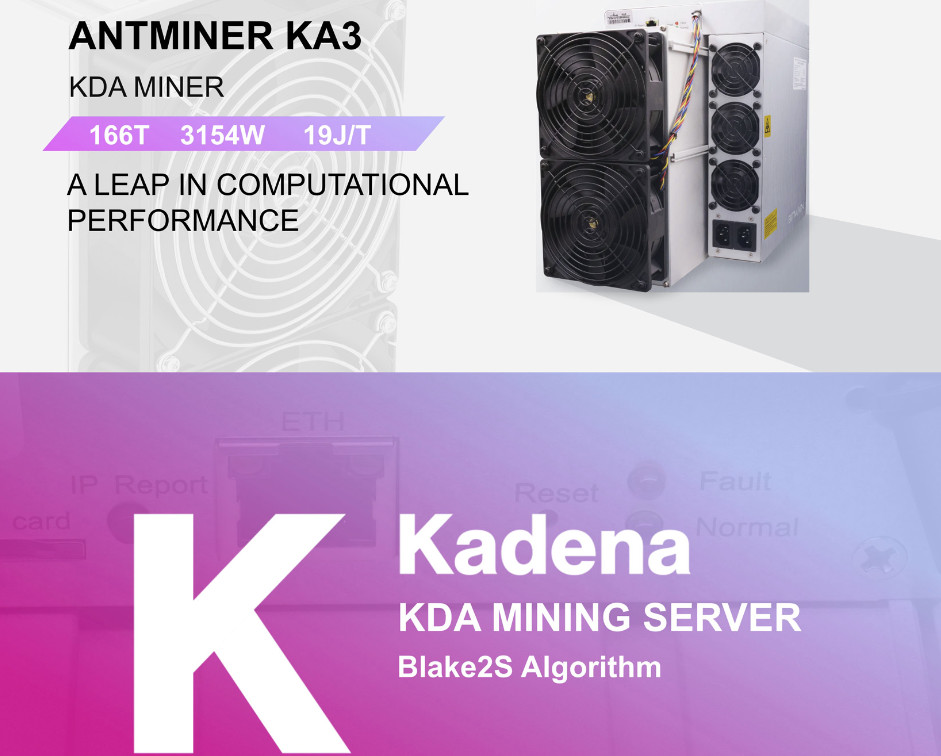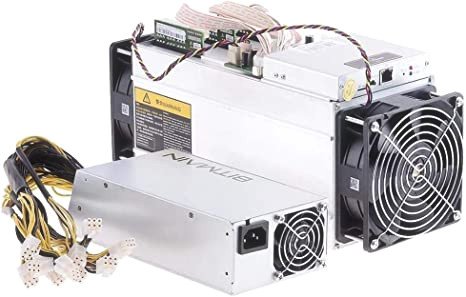

As the cryptocurrency landscape continues to evolve, understanding Bitcoin mining costs in 2026 is crucial for miners and investors alike. The costs associated with mining Bitcoin have become a significant factor influencing profitability and operational strategies.
Factors Influencing Bitcoin Mining Costs
Several key factors contribute to the overall costs of Bitcoin mining:
- Electricity Rates: The price of electricity is one of the largest expenses for miners. According to a recent analysis, the total electricity cost for operating an Antminer S23 Hyd over seven years is approximately $12,298.58, with the machine itself costing around $12,299.00. This highlights the importance of securing competitive energy rates to maintain profitability in the mining sector (OneMiners).
- Hardware Costs: The initial investment in mining hardware can be substantial. As technology advances, newer models may offer better efficiency but at a higher upfront cost.
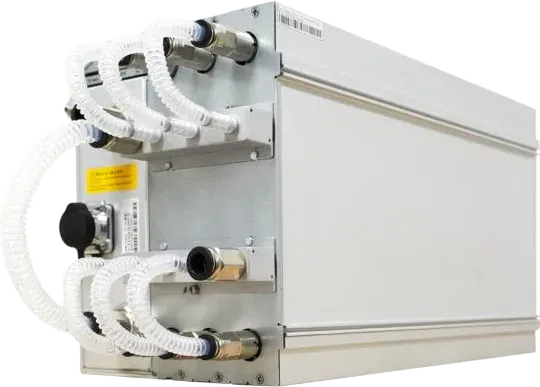
- Cooling Systems: Effective cooling solutions are essential to prevent overheating and ensure optimal performance of mining rigs. The costs associated with cooling can add up significantly.
- Location: The geographical location of mining operations can impact costs due to varying electricity prices and regulatory environments.
Electricity: The Heart of Mining Costs
Electricity consumption is a critical component of Bitcoin mining. Miners often seek locations with lower electricity costs to maximize their margins. For instance, regions with abundant renewable energy sources may offer more favorable rates, making them attractive for mining operations.
Market Trends and Predictions
As we look ahead, several trends are shaping the future of Bitcoin mining:
- Increased Regulation: Governments worldwide are beginning to implement regulations on cryptocurrency mining, which could affect operational costs and market dynamics.
- Technological Advancements: Innovations in mining hardware and software are expected to improve efficiency, potentially lowering costs in the long run.
- Environmental Concerns: The environmental impact of mining is under scrutiny, leading to a push for greener practices and technologies.
In addition to these trends, the broader economic environment, including interest rate decisions by central banks, may influence Bitcoin’s price and, consequently, mining profitability. For example, recent discussions around interest rates by the Federal Reserve and other central banks could have implications for the cryptocurrency market (CoinDesk).
Additional reading: Bitcoin’s ‘Unusual Mix’: Bearish Inflation Print, Bullish Buyback Failure from Bitcoin Magazine.

Conclusion
Understanding Bitcoin mining costs in 2026 requires a comprehensive look at various factors, including electricity rates, hardware investments, and market trends. As the industry evolves, staying informed about these elements will be essential for miners aiming to remain competitive. For a deeper dive into the costs associated with Bitcoin mining, check out the detailed analysis on OneMiners.