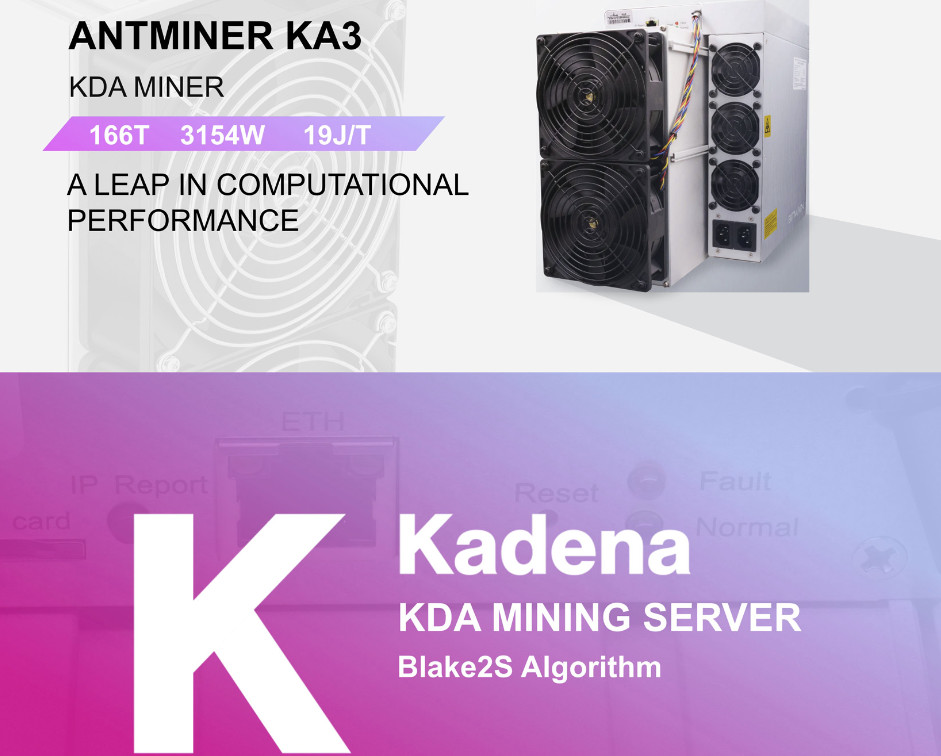


Bitcoin mining has become a significant topic of discussion as regulations evolve globally. Understanding Bitcoin mining regulations is crucial for miners and investors alike. This article delves into the current state of Bitcoin mining laws, focusing on where it remains legal and the trends shaping the industry.
Current Landscape of Bitcoin Mining Regulations
As of 2026, various countries have implemented different regulations regarding Bitcoin mining. For instance, Moscow has banned home crypto mining until 2032, reflecting a growing concern about energy consumption and grid stability. This ban is part of a broader trend where power grids push back against miners due to the high electricity demands associated with mining operations. Miners are now exploring alternatives, such as hosting services, to mitigate these challenges. You can read more about this in detail on OneMiners.
Energy Consumption and Environmental Impact
The energy consumption of Bitcoin mining is a hotly debated topic. Each mining machine can consume a substantial amount of electricity, leading to concerns about environmental sustainability. Miners are increasingly looking for ways to reduce their carbon footprint, including using renewable energy sources. This shift is essential as regulatory bodies worldwide scrutinize the environmental impact of mining operations.

Global Trends in Bitcoin Mining
In addition to regulatory changes, several trends are emerging in the Bitcoin mining sector. For example, the rise of decentralized mining pools allows miners to collaborate and share resources, making it easier to compete against larger operations. Furthermore, advancements in mining technology are leading to more efficient machines that consume less power while providing higher hash rates.
Legal Challenges and Future Outlook
Legal challenges continue to arise as states and countries grapple with how to regulate Bitcoin mining. For instance, Connecticut’s recent lawsuit against Kalshi highlights the ongoing legal battles in the cryptocurrency space, which could have implications for miners and investors alike. As the regulatory landscape evolves, miners must stay informed about potential changes that could affect their operations. More on this can be found in the article from CoinDesk.
Additional reading: Genius Group Sets $2B Dual Treasury Target Months After Liquidating Bitcoin Holdings from Bitcoin Magazine.

Conclusion
Understanding Bitcoin mining regulations is essential for anyone involved in the cryptocurrency space. As laws continue to evolve, staying informed about where mining is legal and the trends shaping the industry will help miners navigate this complex landscape. The future of Bitcoin mining will likely depend on balancing regulatory compliance with technological advancements and environmental considerations.