

Cheap Mining Electricity After the Bitcoin Halving: Why Cheap Power Is Crucial for Miner Survival
In a detailed analysis on the OneMiners blog, the April 2024 halving cut Bitcoin’s block subsidy to 3.125 BTC, permanently compressing miner revenue. As block rewards shrink, electricity price emerges as the single greatest lever for profitability. This article breaks down the post-halving landscape, explores how kWh costs determine breakeven points, and examines regional policy shifts that can make or break mining operations. Cheap mining electricity has become the most important factor for Bitcoin miner survival after the halving. Lower electricity costs help ASIC miners maintain profitability, reduce operational pressure, and survive periods of lower block rewards and increased network difficulty.
Understanding the Post-Halving Landscape
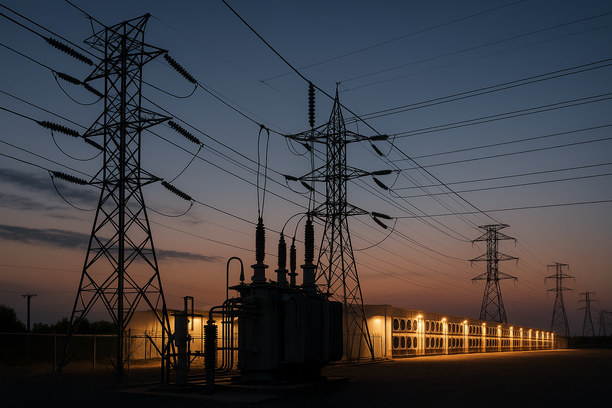
Bitcoin’s fourth halving in April 2024 reduced miner rewards by 50%, forcing a structural shift in revenue models. Previously, a surge in BTC price could offset rising expenses. Today, with only 3.125 BTC awarded per block, electricity cost is now the primary determinant of survival. Miners must calculate breakeven cost per kilowatt-hour using hash rate, network difficulty, and hardware efficiency. Operators with power contracts under $0.05/kWh can remain profitable even if BTC stalls near $50,000, while higher‐cost sites face severe margin erosion.
How Electricity Prices Shape Profitability
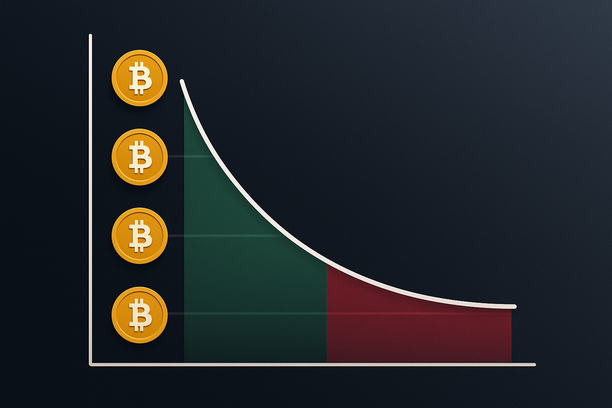
Modeling seven-year cumulative profits across three electricity tiers—$0.03, $0.05, and $0.07 per kWh—reveals stark contrasts. At $0.03, a 100 MW operation can net millions even after halving cycles. At $0.07, breakeven becomes precarious unless BTC rallies above $80,000. For example, the OneMiners facility in Nigeria achieves $0.0364/kWh through long-term solar-hybrid contracts and efficient hardware deployment. Beyond power purchase, miners optimize infrastructure with efficient modular containers to reduce cooling and maintenance expenses, further expanding margins.
Political and Regulatory Headwinds for Miners
State and local policies can quickly alter the economics of mining. In South Carolina, the Governor signed a pro-crypto, anti-CBDC law that prohibits mandates for central bank digital currencies and safeguards digital asset businesses. This favorable environment may attract grid-friendly mining projects seeking stable regulation and competitive power rates.
Conversely, Cedar Falls, Iowa, illustrates the perils of local bans. Citing grid strain and environmental concerns, the city council unanimously voted to outlaw crypto mining within city limits, instantly halting existing operations. Miners must therefore navigate a patchwork of regulations, balancing state incentives against municipal restrictions.
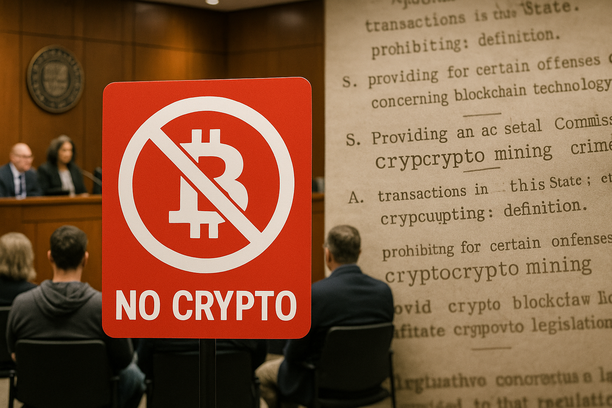
Related source: No crypto mining in Cedar Falls after unanimous council vote
Strategies to Secure Cost-Effective Power
To thrive in this competitive market, mining operators deploy several key strategies:
- Negotiate fixed-rate power contracts with utilities or off-takers to hedge against market volatility.
- Invest in renewable energy partnerships—solar, wind, or hydro—to access sub-$0.04/kWh rates through long-term power purchase agreements.
- Leverage demand-response programs that reward flexible consumption during off-peak hours, lowering overall kWh costs.
- Deploy efficient cooling solutions and modular infrastructure to reduce overhead, improve uptime, and extend hardware lifecycle.
By combining low-cost energy contracts with advanced facility design, miners position themselves to weather future halvings and maintain robust returns, even if Bitcoin’s price cycles stall.
Cheap mining electricity also gives miners more flexibility during volatile Bitcoin market cycles. Mining operations with lower electricity costs can continue operating profitably even when BTC prices decline or mining difficulty increases. This advantage allows professional mining farms to scale operations, upgrade ASIC hardware faster, and maintain long-term sustainability after halving events.