
Why Cheap Power Defines Bitcoin Mining Success After the 2024 Halving
When the April 2024 Bitcoin halving dropped the block subsidy from 6.25 BTC to 3.125 BTC, miner revenue faced a permanent squeeze. Now, more than ever, electricity costs have eclipsed Bitcoin price as the key survival metric for operations of all scales.
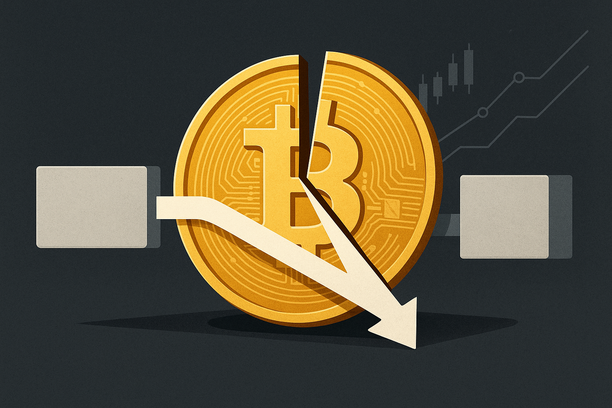
The Halving and Its Profit Impact
Bitcoin’s halving events have always been catalysts for market cycles, but the April 2024 reduction in block rewards created a new reality for miners. With each block now worth only 3.125 BTC, the cost structure of mining operations directly dictates profitability. The traditional breakeven formula—allocating capital, hardware efficiency, and network difficulty—has shifted to make cost per kilowatt-hour the most critical factor. In this environment, miners must run their rigs at or below a threshold electricity price to generate positive cashflow over a full difficulty cycle.
Electricity Cost: The New Fitness Metric
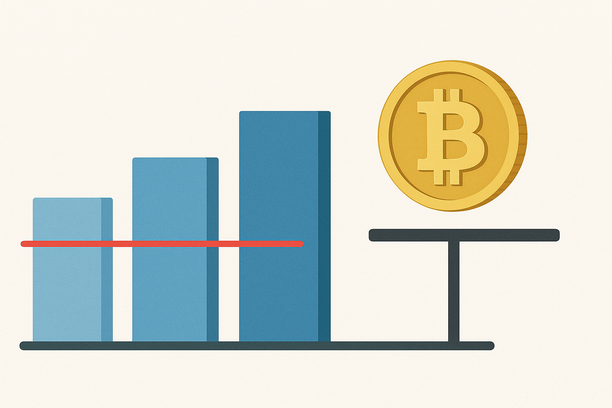
Under the new subsidy regime, even a few cents in power price differences can spell the line between profit and shutdown. OneMiners’ Nigeria facility, locked into a fixed-rate contract of $0.0364/kWh, consistently outperforms peers in higher-cost regions. Meanwhile, operations paying above $0.08/kWh face a steadily shrinking profit margin. Leveraging ASIC performance tools and optimizing cooling infrastructure further tightens the gap, but it all starts with securing rock-bottom power rates.
Regulatory Landscape Shapes Power Access
Access to cheap electricity doesn’t occur in a vacuum—local and national regulations determine who can build, expand, or even connect to the grid. In the UK, overlapping mandates from financial, environmental, and energy authorities have frustrated efforts to establish a robust mining ecosystem, according to a CoinDesk analysis. Meanwhile, a recent ADF Magazine report details a Russian initiative to deploy mining operations in Africa, capitalizing on abundant hydropower and lax regulation.
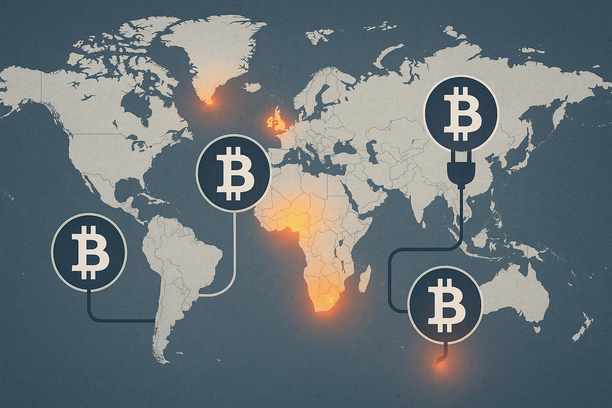
Related source: Russia Launches Crypto Scheme in Africa
Looking Ahead: Sustaining Profits Beyond 2024
As Bitcoin heads toward the next halving cycle, miners must refine their power procurement strategies. Long-term contracts, direct links to renewable energy projects, and grid-service agreements will define the winners. Companies that integrate dynamic load management and hotspot mapping—potentially leveraging modern mining dashboards—stand to maintain margins even as difficulty rises. Ultimately, in the post-halving era, efficient power is the foundation upon which all other optimizations are built.