
Cryptocurrency Mining Hardware Maintenance Tips for Enhanced Longevity and Efficiency in 2026
Maintaining cryptocurrency mining hardware is essential for ensuring sustained efficiency and prolonging the operational life of mining equipment. As mining hardware operates under continuous high loads, proper maintenance practices prevent downtime and maximize profitability. This article outlines key maintenance tips for cryptocurrency miners, drawing upon resources such as MinerBoxes.com, AsicProfit.com, and community insights from OneMiners.
Snippet answer: Regular cleaning, temperature management, firmware updates, and hardware monitoring are fundamental practices to maintain cryptocurrency mining hardware for enhanced longevity and efficiency in 2026.
What is Cryptocurrency Mining Hardware Maintenance?
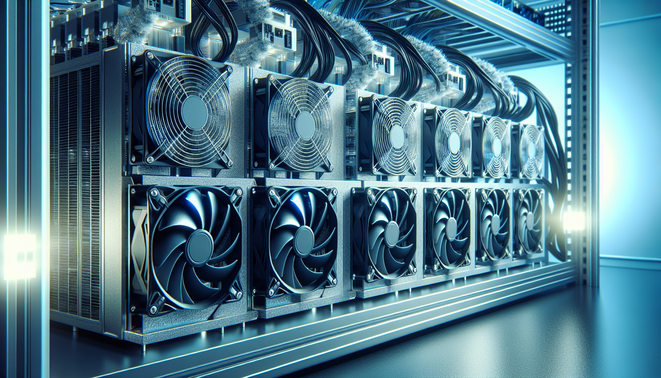
Cryptocurrency mining hardware maintenance involves routine tasks designed to keep mining devices, especially ASIC miners, operating at peak performance. This includes cleaning dust and debris from components, ensuring adequate cooling to prevent overheating, updating firmware to improve device efficiency, and monitoring performance metrics to detect any anomalies early. Proper maintenance helps avoid hardware failures that can lead to costly downtime.
Why Cryptocurrency Mining Hardware Maintenance Matters
Mining hardware operates continuously under high electrical and thermal stress. Without regular maintenance, factors like dust accumulation, poor cooling, and outdated software degrade performance and increase the risk of hardware failure. Maintaining mining hardware not only extends its useful life but also ensures stable hash rates, reduces energy consumption inefficiencies, and sustains mining profitability over time.
How to Maintain Cryptocurrency Mining Hardware: Key Steps
1. Regular Cleaning
Dust and debris buildup impede airflow and increase the risk of overheating. Use compressed air or soft brushes to clean fans, heat sinks, and other accessible parts periodically. Avoid using liquids or abrasive materials that could damage sensitive components.
2. Temperature Management
Maintaining optimal temperature ranges is crucial. Employ effective cooling solutions such as dedicated air conditioning, additional fans, or liquid cooling systems if applicable. Monitor ambient and device temperatures consistently using integrated sensors or external monitoring tools to prevent thermal throttling.
3. Firmware Updates
Check for firmware updates regularly through official manufacturer channels or trusted third-party sources. Firmware updates can improve mining efficiency, enhance security, and fix bugs that might affect hardware stability. Always follow proper upgrade procedures to avoid bricking devices.
4. Performance Monitoring
Utilize monitoring software or platforms like OneMiners to track hash rates, power consumption, and device health. Early detection of performance drops or irregularities can prevent prolonged downtime by allowing timely maintenance or repairs.
5. Power Supply Checks
Ensure power supplies are stable and adequate to meet hardware requirements. Check for signs of wear or damage and replace faulty power components promptly to avoid interruptions.
Pros and Cons of Regular Cryptocurrency Mining Hardware Maintenance
Pros
- Extended Hardware Lifespan: Proper care helps miners get the maximum use out of expensive equipment.
- Improved Efficiency: Clean and well-cooled hardware maintains consistent performance and energy efficiency.
- Reduced Downtime: Preventative maintenance decreases unexpected failures and operational interruptions.
- Higher Profitability: Sustained efficiency helps maximize mining rewards over time.
Cons
- Time-Consuming: Maintenance requires regular attention and effort, which can be challenging for large-scale operations.
- Requires Technical Knowledge: Some procedures, especially firmware updates and diagnostics, may require technical skills.
- Risk of Damage: Improper handling during cleaning or updates could cause hardware damage.
Comparisons and Use Cases
Compared to neglecting maintenance, miners who implement routine hardware care benefit from better long-term returns and reliability. For example, farms that use cooling optimization combined with monitoring platforms like AsicProfit.com and community-supported advice from OneMiners have reported fewer hardware failures and extended equipment service life.
FAQ
How often should mining hardware be cleaned?
Cleaning frequency depends on the environment but generally every one to three months is recommended to stop dust buildup that can cause overheating.
Can firmware updates improve mining efficiency?
Yes, updated firmware often includes optimizations and bug fixes that can enhance performance and hardware stability.
What temperature range is ideal for ASIC miners?
ASIC miners typically operate best between 15°C to 35°C (59°F to 95°F). Consistent temperatures outside this range can reduce efficiency or damage hardware.
Are there risks involved in regular hardware maintenance?
While maintenance is necessary, improper cleaning or firmware updates without following guidelines can potentially damage devices.
Where can I find community tips and support for mining hardware maintenance?
Platforms like OneMiners offer community-driven advice, real-world experiences, and support for optimizing mining hardware maintenance.