
Bitcoin mining has undergone significant transformations since its inception, evolving from simple CPU mining to complex ASIC setups. As the cryptocurrency landscape continues to change, miners must adapt to new technologies and market conditions.
Understanding Bitcoin Mining
At its core, Bitcoin mining involves validating transactions and adding them to the blockchain. This process requires substantial computational power, which is why specialized hardware, known as ASICs (Application-Specific Integrated Circuits), has become essential.
The Shift to ASICs
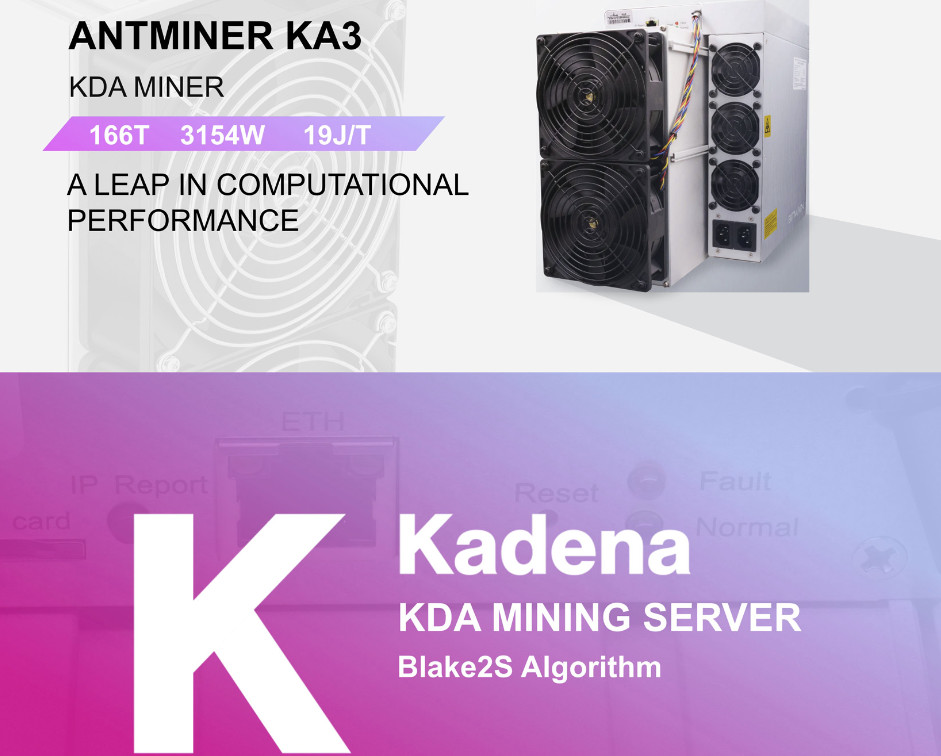
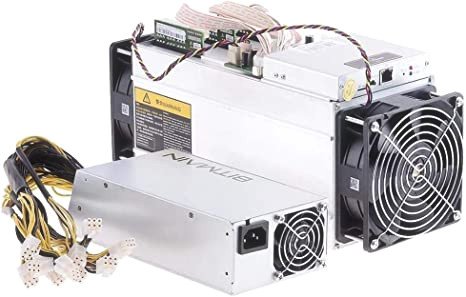
Initially, Bitcoin could be mined using standard CPUs, but as more miners entered the space, the difficulty of mining increased. This led to the development of ASICs, which are designed specifically for mining Bitcoin. These devices offer higher efficiency and performance compared to traditional hardware.
Recently, a unique situation arose with the introduction of the BTCB2 hardware, which emerged from a Bitcoin chain split. As reported by OneMiners, this hardware has become the only option for miners looking to operate on the new BLAKE2b algorithm, highlighting the adaptability required in this industry.
Market Trends Affecting Mining
The cryptocurrency market is influenced by various factors, including regulatory changes, technological advancements, and economic conditions. For instance, recent reports from CoinDesk indicate a bullish bounce in the crypto market following a Federal Reserve rate hike, which could impact mining profitability.
Energy Consumption and Sustainability
One of the most pressing issues in Bitcoin mining is energy consumption. Miners are increasingly looking for sustainable energy sources to power their operations. This shift not only helps reduce costs but also addresses environmental concerns associated with traditional mining practices.
As the demand for Bitcoin continues to rise, so does the need for efficient energy solutions. Miners are exploring renewable energy sources, such as solar and wind, to mitigate their carbon footprint.
Future of Bitcoin Mining
The future of Bitcoin mining is likely to be shaped by ongoing technological innovations and market dynamics. As new hardware emerges and existing technologies are refined, miners will need to stay informed about the latest developments.
Additionally, the regulatory landscape will play a crucial role in determining the viability of mining operations. As seen with the recent discussions surrounding the Clarity Act, regulations can significantly impact how miners operate and what technologies they can use. For more insights on regulatory impacts, check out Bitcoin Magazine.
Conclusion
Bitcoin mining is at a crossroads, with new technologies and market conditions creating both challenges and opportunities. By staying informed and adapting to these changes, miners can continue to thrive in this evolving landscape.