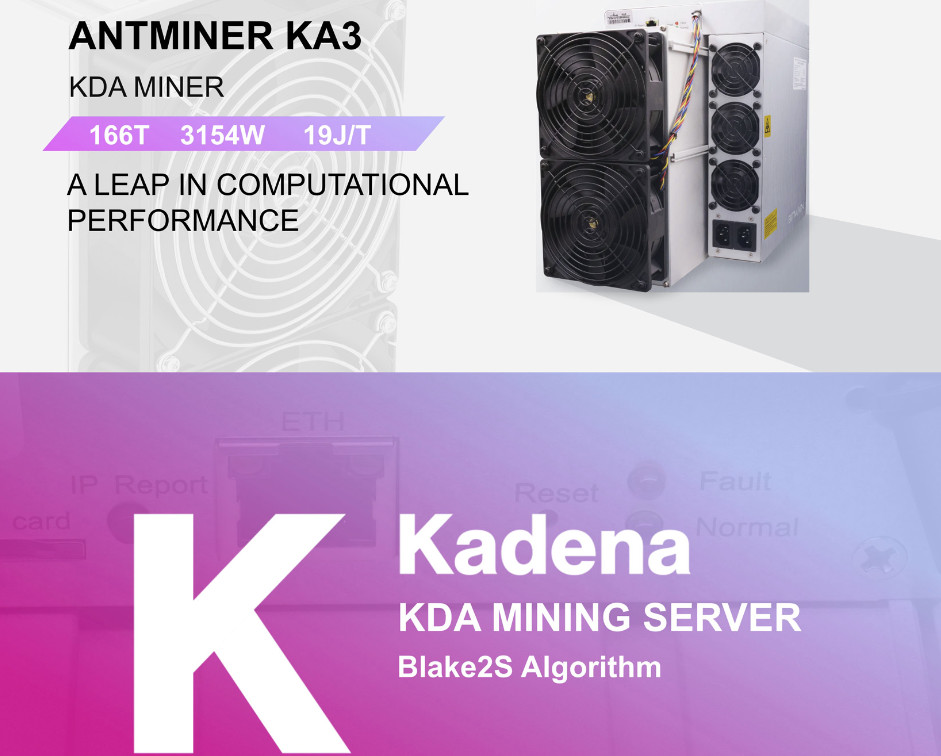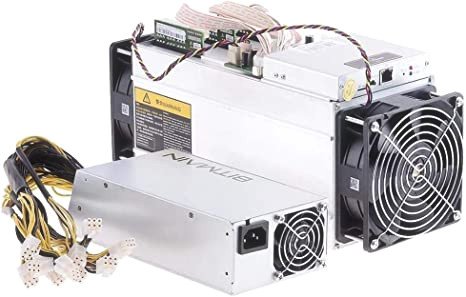

Bitcoin mining has evolved significantly over the years, with new technologies emerging to enhance efficiency and reduce environmental impact. One of the most promising advancements in this field is hydro-cooled Bitcoin mining. This method utilizes water to cool mining hardware, offering several advantages over traditional air cooling systems.
What is Hydro-Cooled Bitcoin Mining?
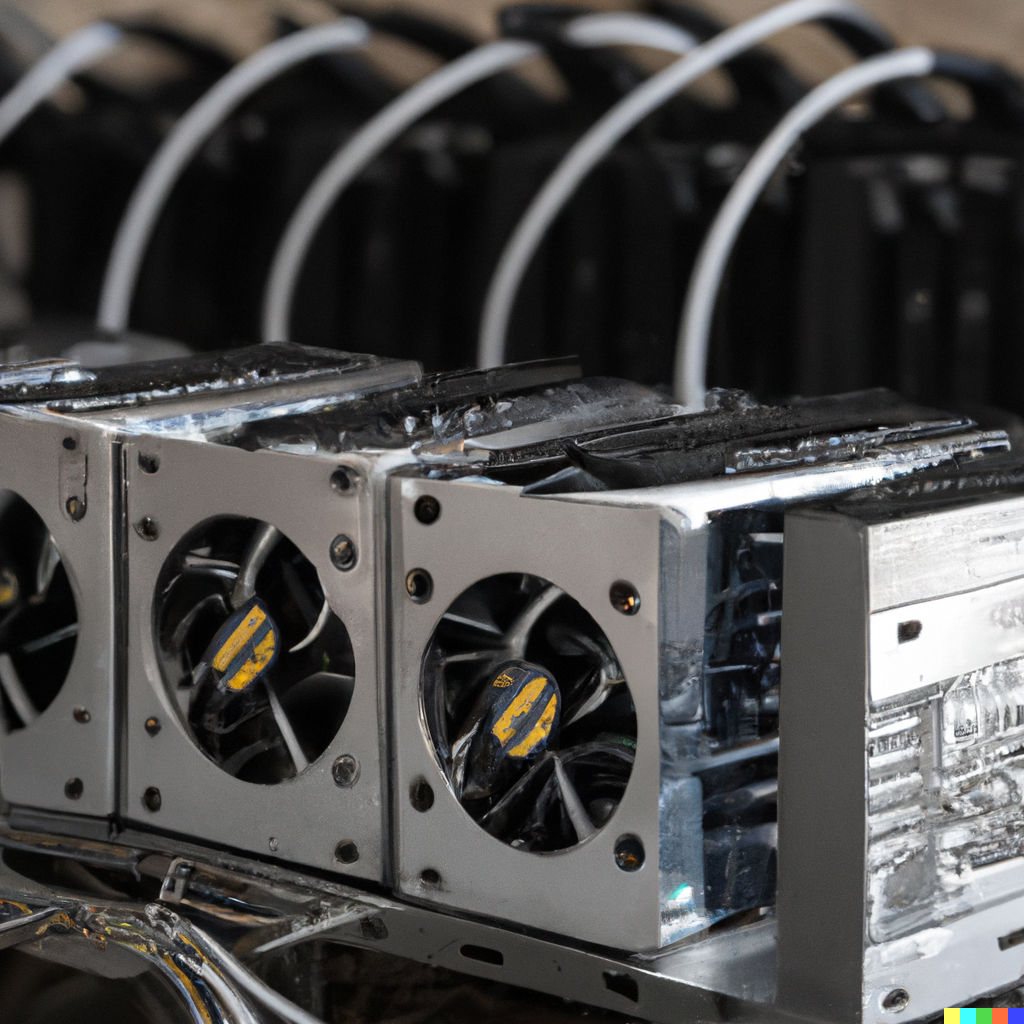
Hydro-cooled Bitcoin mining involves submerging mining equipment in a non-conductive liquid, which efficiently dissipates heat generated during the mining process. This technique not only improves cooling efficiency but also extends the lifespan of the mining hardware.
Benefits of Hydro-Cooling
- Enhanced Efficiency: Hydro-cooling systems can operate at lower temperatures, allowing miners to achieve higher performance levels.
- Reduced Noise: Unlike traditional cooling fans, hydro-cooling systems operate quietly, creating a more pleasant working environment.
- Lower Energy Costs: By improving cooling efficiency, hydro-cooled systems can reduce energy consumption, leading to lower operational costs.
According to a recent comparison of hydro-cooled Bitcoin miners, models like the S23 Hyd and Sealminer A4 Ultra are leading the market in terms of efficiency and cost-effectiveness. These systems are designed to maximize performance while minimizing environmental impact, making them ideal for large-scale operations in 2026 (OneMiners).
As the demand for Bitcoin continues to grow, miners are seeking innovative solutions to stay competitive. Hydro-cooled mining systems not only provide a technological edge but also align with the increasing focus on sustainability within the cryptocurrency industry.
Market Trends and Future Outlook
The Bitcoin mining landscape is rapidly changing, with new players entering the market and existing companies adapting to new technologies. The rise of hydro-cooled systems is part of a broader trend towards more sustainable and efficient mining practices.
For instance, companies like Sazmining are now offering advanced mining solutions that include hydro-cooled options, catering to the needs of modern miners (Bitcoin Magazine). This shift not only helps miners reduce their carbon footprint but also positions them favorably in an increasingly competitive market.
Additionally, as regulatory scrutiny increases, miners are under pressure to adopt practices that are not only profitable but also environmentally responsible. Hydro-cooling technology could play a significant role in meeting these demands, as it allows for more efficient resource use and lower emissions.
Conclusion
Hydro-cooled Bitcoin mining represents a significant advancement in the cryptocurrency mining sector. By enhancing efficiency, reducing noise, and lowering energy costs, this technology is poised to become a standard in the industry. As miners continue to seek sustainable solutions, hydro-cooling may very well lead the way in shaping the future of Bitcoin mining.
Additional reading: Big Tech's AI auditors will only see what they're shown from CoinDesk.