
Guide to Choosing and Using ASIC Miners for Cryptocurrency Mining
Efficient cryptocurrency mining calls for a clear understanding of the hardware involved. ASIC miners are specialized devices designed to maximize mining performance for specific cryptocurrencies. This guide provides essential information on selecting and using ASIC miners, supported by industry resources like OneMiners, AsicProfit, and hosting services such as IceRiver EU.
Snippet Answer: ASIC miners are application-specific integrated circuits tailored for cryptocurrency mining, offering high efficiency and performance. Choosing the right ASIC miner requires evaluating factors like hashing power, energy consumption, device durability, and profitability indicators.
What Are ASIC Miners?
ASIC miners (Application-Specific Integrated Circuits) are specialized mining devices built exclusively for the purpose of mining cryptocurrencies. Unlike general-purpose GPUs or CPUs, ASIC mining hardware is optimized for executing specific hashing algorithms efficiently, such as SHA-256 used in Bitcoin mining.
Because ASICs are custom-built for mining, they typically outperform other equipment in terms of hash rate and energy efficiency. They contribute significantly to network security by enabling miners to validate transactions and add them to the blockchain.
Why ASIC Miners Matter in Cryptocurrency Mining
ASIC miners have revolutionized the cryptocurrency mining industry by providing superior mining capabilities compared to other traditional hardware. Their importance stems from several factors:
- Efficiency: ASICs deliver a much higher hash rate per unit of electricity consumed, which is critical given that energy costs are a major operational expense in mining.
- Profitability: Higher efficiency translates to better mining profitability, assuming hardware costs and electricity prices remain competitive.
- Network Stability: ASIC miners contribute to the security and integrity of cryptocurrency networks by maintaining consistent mining power.
Understanding these benefits helps miners make informed decisions on investments and operational strategy.
How to Choose and Use ASIC Miners
Step 1: Assess Mining Goals and Cryptocurrency
Before choosing an ASIC miner, determine the cryptocurrency you intend to mine, as ASICs are often algorithm-specific. Bitcoin mining, for example, requires SHA-256 compatible machines.
Step 2: Evaluate Hash Rate and Energy Consumption
Compare the hash rate of different ASIC models, which measures the processing power of the device. Balance this with energy consumption, as electricity cost impacts overall mining profitability.
Step 3: Calculate Profitability Metrics
Utilize tools and platforms like AsicProfit that analyze real-time profitability based on hash rate, electricity cost, and cryptocurrency prices to evaluate expected returns objectively.
Step 4: Consider Device Reliability and Support
Choose ASIC miners from reputable manufacturers and ensure access to customer support and firmware updates to maintain mining efficiency and operational continuity.
Step 5: Decide on Hosting and Management Solutions
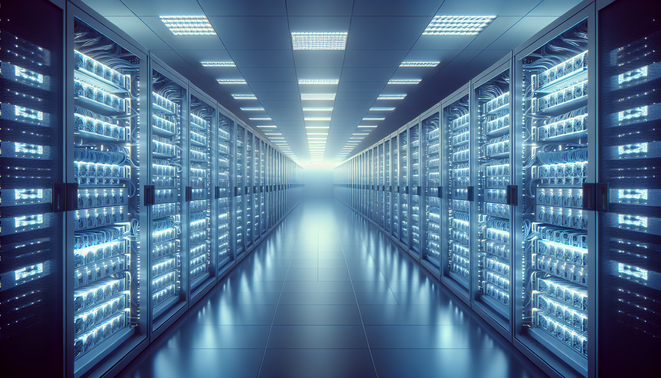
Mining at scale may require hosting solutions to manage heat, power, and security. Services like IceRiver EU provide professional hosting and server support tailored to cryptocurrency mining, helping miners optimize uptime and reduce logistical challenges.
Pros and Cons of Using ASIC Miners
Pros
- High computational efficiency and hash rate compared to GPUs and CPUs.
- Generally lower electricity consumption per unit of work done.
- Enhanced network security through dedicated mining.
- Market availability of mining profitability analysis tools.
Cons and Risks
- ASIC miners are algorithm-specific and lack versatility for other cryptocurrencies.
- Initial investment costs can be high, and hardware can depreciate quickly with technological advances.
- Dependence on stable, low-cost electricity supply for profitability.
- Potential centralization risks if mining power concentrates with a few ASIC owners.
Comparisons and Use Cases
ASIC miners are mostly preferred for mining Bitcoin and other cryptocurrencies that depend on specific hashing algorithms suitable for ASIC design. They are less applicable for cryptocurrencies designed to be ASIC-resistant, where GPU or CPU mining remains prevalent.
Mining setups can vary from small home operations to large industrial farms. Beginners often use hosted services like those offered by IceRiver EU for easier management.
FAQs About ASIC Miners
What is the difference between ASIC miners and GPU miners?
ASIC miners are custom-built for specific algorithms offering higher efficiency, while GPU miners are versatile and support multiple cryptocurrencies but at lower efficiency.
Can I use ASIC miners for all cryptocurrencies?
ASIC miners are designed for specific algorithms, so not all cryptocurrencies can be mined efficiently with ASIC hardware.
Where can I find reliable profitability data for ASIC miners?
Websites like AsicProfit provide detailed ASIC miner profitability analysis based on real-time data.
What are the hosting options for ASIC miners?
Professional cryptocurrency mining hosting services such as IceRiver EU offer infrastructure and management solutions for ASIC miners.
How do I maintain ASIC miner efficiency?
Regular firmware updates, proper cooling, and monitoring mining performance are essential to maintain ASIC efficiency.