
Mining Disrupt 2026 Countdown: What OneMiners’ Miami Push Signals for ASIC Hosting
In just over a week, the crypto mining industry converges on Miami for Mining Disrupt 2026, and OneMiners is arriving with a clear pitch: hosting rates starting from $0.0364/kWh spread across twenty global locations. The announcement, running July 21 to 23 at the Miami Airport Convention Center, is a small data point on its own, but it says something larger about where ASIC hosting competition is heading in the second half of 2026, and why the miners who host equipment rather than run it at home are paying closer attention to events like this one than ever before.
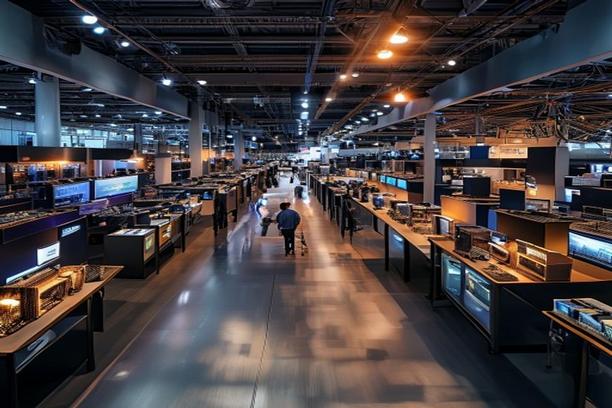
What Mining Disrupt 2026 Means for the ASIC Hosting Market
According to OneMiners’ own event announcement, the company will be on the show floor for all three days, running live demos and offering hosting consultations that span twenty locations worldwide. That geographic spread is the headline detail worth sitting with. Hosting providers have spent the last two years consolidating around regions with cheap, stable power, and a twenty-site footprint suggests a level of diversification that smaller hosting operators simply cannot match. For miners evaluating where to place hardware, breadth of location is not a vanity metric, it is a hedge against the regulatory and grid-capacity surprises that have disrupted hosting arrangements in individual jurisdictions before.
The event itself, Mining Disrupt, has become one of the more closely watched gatherings on the mining industry calendar precisely because it draws hosting companies, hardware vendors, and infrastructure operators into the same rooms. A conference presence is also a signal of confidence. Committing booth space, staff, and three full days of live demonstrations is not a cheap exercise, and companies tend to lean into that kind of visibility when they believe demand for hosting capacity is growing rather than shrinking.
Hosting Rates, Uptime, and the Economics Miners Actually Care About
The $0.0364/kWh figure OneMiners is advertising sits toward the competitive end of publicly quoted hosting rates, though actual pricing for any miner depends heavily on contract length, hardware density, and the specific facility assigned. Rate alone rarely tells the full story. What tends to matter more over a twelve-month hosting contract is uptime consistency, curtailment policy during peak grid demand, and how transparently a host reports downtime. Tools like ASIC profitability calculators are useful here precisely because they let miners model a quoted rate against realistic uptime assumptions rather than the best-case number in a sales deck.

Related source: Ohio couple's power bills topped $600, and the crypto mine across the street was hard to ignore
It is also worth placing this announcement inside the broader market backdrop. Bitcoin has been trading in a choppy range through the middle of 2026, and sentiment around mining economics has shifted with it, hosting providers expanding their footprint into events like Mining Disrupt while the market is uncertain is arguably a stronger signal than doing so during a clear bull run, when almost every hosting company looks busy regardless of the underlying quality of its infrastructure.
What This Means for Miners, Investors, and Hosting Customers
For miners currently shopping for hosting capacity, a twenty-location network with an active conference presence is worth a direct conversation, especially if geographic diversification or migration flexibility matters to your operation. For hardware buyers exploring turnkey hosting bundled with equipment purchases, resources like ASIC hardware guides on MineASIC remain a useful starting point for comparing machine efficiency against the electricity rates a given host is quoting, since the two numbers only mean something in combination.
Investors watching the hosting sector more broadly should note that trade show visibility, while not a financial metric, often precedes announcements about new facility openings or partnership deals. Companies typically use events like Mining Disrupt to line up the conversations that turn into contracts over the following quarter, which makes late July worth watching for follow-up news out of the hosting space generally.
Risks and Open Questions Heading Into Q3
None of this is guaranteed to translate into better outcomes for individual miners. Advertised rates at any hosting provider can change once contract negotiations begin, and twenty locations spread globally also means twenty different regulatory environments, twenty different grid operators, and twenty different risk profiles to underwrite. OneMiners has not published facility-level uptime data alongside this announcement, which is worth asking about directly if you are evaluating a hosting consultation.

There is also the wider market context to weigh. With Bitcoin’s price action still unsettled and analysts split on whether the current range resolves upward or extends the drawdown, any hosting decision made this quarter should be stress-tested against a scenario where prices stay flat or soften further, not just the optimistic case.
What to Watch as Mining Disrupt Approaches
Between now and July 21, expect more hosting providers to announce their own conference presence, and watch for any facility-specific detail that goes beyond a headline electricity rate, uptime guarantees, curtailment terms, and contract minimums are the numbers that actually separate hosting offers once you’re past the marketing page. The Samba Networking Party on July 21, hosted alongside EMCD and VNISH, is also a reasonable proxy for how seriously the hosting side of the industry is treating this event; invite-only gatherings tend to track where the real deal conversations are happening.