Optimizing Home Cryptocurrency Mining Setups for Beginners in 2026
Home cryptocurrency mining has become an increasingly accessible way for beginners to participate in the digital asset economy. Optimizing home mining rigs is crucial in 2026 to ensure efficient performance, cost-effectiveness, and longevity. This guide covers practical tips on hardware selection, cooling strategies, and power management to help beginners get started and improve their mining setups at home.
Snippet answer: Optimizing home cryptocurrency mining setups involves selecting efficient hardware, implementing effective cooling solutions, and managing power consumption carefully to maximize mining performance and profitability while reducing overhead costs.
What Is Home Cryptocurrency Mining?
Home cryptocurrency mining refers to the process where individuals set up mining rigs in their residences to validate and secure blockchain transactions by solving complex cryptographic puzzles. This process not only supports the decentralization of blockchain networks but also enables miners to earn cryptocurrency rewards.
Why Optimizing Home Mining Setups Matters
Optimization significantly impacts mining profitability and equipment durability. Efficient setups reduce electricity consumption and hardware overheating, reducing operational costs and maintenance frequency. This is especially important for beginners who often have limited resources and technical experience.
How to Optimize Home Cryptocurrency Mining Setups
1. Selecting the Right Hardware
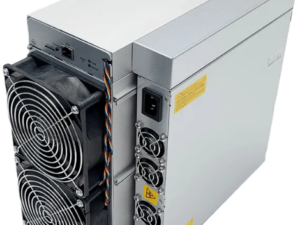
Beginners should focus on mining hardware that balances performance and energy efficiency. ASIC miners and GPUs remain popular choices depending on the cryptocurrency being mined. Resources and hosting solutions from platforms such as OneMiners and IceRiver can provide guidance on suitable equipment and remote management options.
2. Effective Cooling Strategies
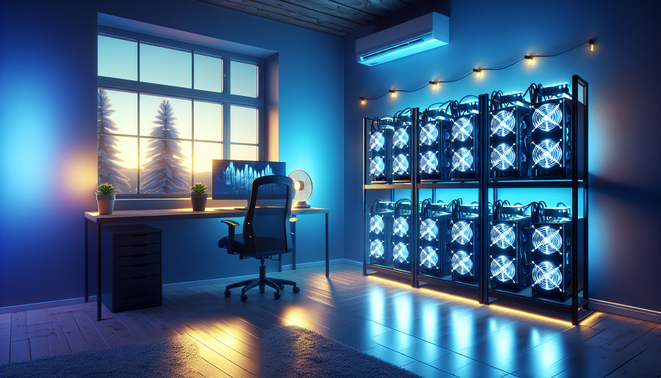
Proper cooling is crucial to prevent hardware overheating that can lead to reduced lifespan and performance issues. Beginners can use air cooling with strategically placed fans or consider advanced options like liquid cooling if the budget allows. Positioning rigs in well-ventilated areas and maintaining cleanliness of fans and heat sinks also help optimize cooling.
3. Power Management
Electricity costs are a significant part of home mining expenses. Using energy-efficient hardware combined with smart power management—such as scheduling mining operations during off-peak electricity hours—can reduce operational costs. Monitoring power usage through software tools or smart plugs allows miners to adjust their rigs for optimal efficiency.
Pros & Cons of Home Cryptocurrency Mining
Pros
- Control over mining operations and setup customization.
- Potential to generate cryptocurrency rewards.
- Learning opportunity about blockchain and mining technology.
- Flexibility to upgrade or modify hardware as needed.
Cons
- High electricity consumption and costs.
- Noise and heat generated by mining rigs.
- Initial upfront investment can be significant.
- Requires technical knowledge for setup and troubleshooting.
Comparisons and Use Cases
Home mining differs from hosting services where rigs are managed in professional data centers. Platforms like OneMiners and IceRiver offer hosting solutions that reduce physical overhead and simplify mining operations, appealing to beginners not ready to manage hardware full-time. However, home setups offer more direct control and immediate access to the mining equipment.
FAQ
Is home cryptocurrency mining profitable for beginners?
Profitability depends on hardware efficiency, electricity costs, and current cryptocurrency market conditions. Beginners should research costs carefully and consider small-scale setups initially.
What are the best hardware options for beginners?
ASIC miners and GPUs are commonly used. Selecting hardware depends on the specific cryptocurrency and energy consumption preferences. Platforms like OneMiners provide tailored recommendations.
How can I reduce electricity costs for home mining?
Using energy-efficient miners, optimizing mining schedules for off-peak hours, and monitoring power consumption with smart devices can help lower electricity expenses.
What cooling methods work best for home mining rigs?
Air cooling with fans is the most common and cost-effective. Liquid cooling offers more efficient temperature management but can be more expensive and complex to install.
Can hosting services replace home mining setups?
Hosting services from providers like OneMiners and IceRiver offer an alternative by managing mining hardware off-site, which reduces the complexity and overhead of home setups but involves different cost considerations.