Optimizing Home Cryptocurrency Mining Setups for Efficiency and Cost Savings
In 2026, optimizing a home cryptocurrency mining setup is critical for miners who want to improve profitability while keeping operational costs low. Managing power consumption and maximizing hash rates within a limited residential environment requires careful planning and resourceful strategies. This article explores efficient techniques and cost-saving measures for modern home mining, supported by industry resources and hosting service insights.
Snippet answer: Optimizing home cryptocurrency mining setups involves strategic hardware placement, effective energy management, and leveraging hybrid solutions like cloud mining to balance power consumption and hash rate, significantly enhancing mining efficiency and reducing costs.
What Is Home Cryptocurrency Mining Optimization?
Home cryptocurrency mining optimization refers to the process of configuring, managing, and upgrading mining hardware and related systems to maximize mining output while minimizing costs and energy consumption. This practice includes selecting suitable hardware, arranging devices for optimal cooling, choosing efficient power sources, and integrating advanced software tools for monitoring and control.
As cryptocurrency mining becomes more complex and competitive, efficient home setups reduce electricity expenses and extend hardware lifespan, making mining more sustainable and potentially more profitable.
Why It Matters for Miners
Mining consumes a significant amount of electricity, which is often the largest ongoing expense for home miners. Without proper optimization, high energy bills may outpace mining returns, leading to losses. Optimizing setups helps miners:
- Lower operating costs by reducing electricity consumption.
- Enhance mining hardware efficiency and stability.
- Maintain better thermal management to prevent overheating.
- Improve hash rate output and reliability.
- Adapt to changing market and environmental conditions.
Furthermore, tailored setups allow miners to operate within residential constraints, adhering to noise and space limitations.
How to Optimize a Home Cryptocurrency Mining Setup
1. Select Energy-Efficient Hardware
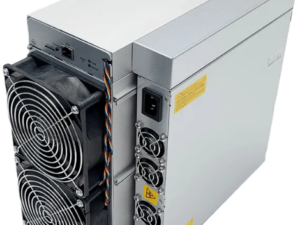
The first step is to invest in mining equipment with favorable performance-to-power ratios. Modern ASIC miners and GPUs often provide better hash rates for less power. Resources like OneMiners offer detailed guidance on choosing the right hardware for home setups.
2. Optimize Hardware Placement and Cooling
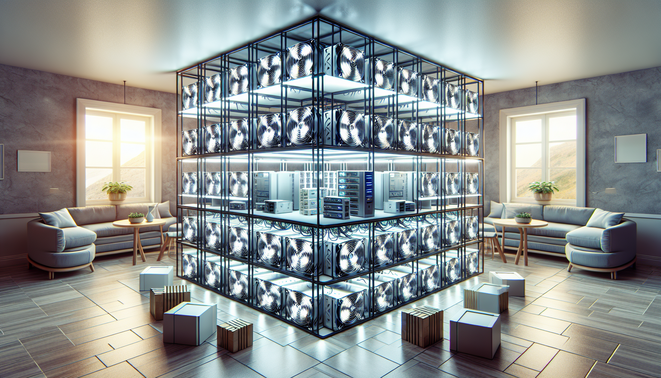
Proper placement of mining rigs ensures adequate airflow, minimizing heat buildup. Using cooling fans, ventilated racks, or even dedicated cooling rooms can help maintain optimal operating temperatures, improving hardware longevity and efficiency.
3. Manage Energy Consumption
Monitoring electricity usage with smart meters and setting mining rigs to operate during off-peak hours can reduce costs. Utilizing renewable energy sources, when feasible, adds cost-effectiveness and environmental benefits.
4. Use Hybrid Cloud and Home Mining Solutions
Services like IceRiver provide opportunities to combine home mining with cloud-based mining, potentially enhancing overall efficiency. Hybrid approaches can help balance the load and improve mining stability.
5. Employ Monitoring and Automation Software
Software tools track performance metrics and power consumption. Automated scripts can optimize mining operations, adjusting parameters in real-time to maintain efficiency.
Pros and Cons of Home Mining Optimization
Pros
- Reduces power consumption and lowers electricity costs.
- Increases hardware lifespan by preventing overheating.
- Improves hash rate consistency and mining profitability.
- Allows customization to fit residential space and noise constraints.
Cons or Risks
- Initial investment in efficient hardware and cooling systems can be costly.
- Complex setup may require technical expertise.
- Mining profitability depends on cryptocurrency market volatility and electricity prices.
- Temperature and power constraints may limit maximum achievable hash rates.
Comparisons and Use Cases
A typical optimized home setup focuses on balancing hardware investment with energy costs, using tools and services from trusted providers like OneMiners and IceRiver. While dedicated mining farms might have more extensive resources, home miners benefit from flexible arrangements and hybrid cloud solutions which may not scale but offer cost-effectiveness and convenience.
FAQ
What is the best way to reduce electricity costs in home mining?
Optimizing mining rigs to run during off-peak electricity hours and selecting energy-efficient hardware helps reduce costs significantly. Monitoring consumption closely is essential.
Can I mix home and cloud mining for better results?
Yes, combining physical home mining rigs with cloud mining services, such as those offered by IceRiver, can improve mining efficiency and provide operational flexibility.
How important is cooling in home mining setups?
Cooling is critical to prevent overheating, which affects hardware performance and lifespan. Utilizing ventilation, fans, or dedicated cooling systems is necessary for stable mining operations.
Where can I find reliable information and guidance for home mining?
Resources like OneMiners provide comprehensive guides, tips, and updates on home cryptocurrency mining optimization.
Are there risks associated with home mining optimization?
Yes, risks include initial setup costs, equipment failure due to improper handling, fluctuating profitability, and managing noise or heat in residential areas.