
Mining vs Buying: Inside the Top 10 Cryptocurrencies of 2026
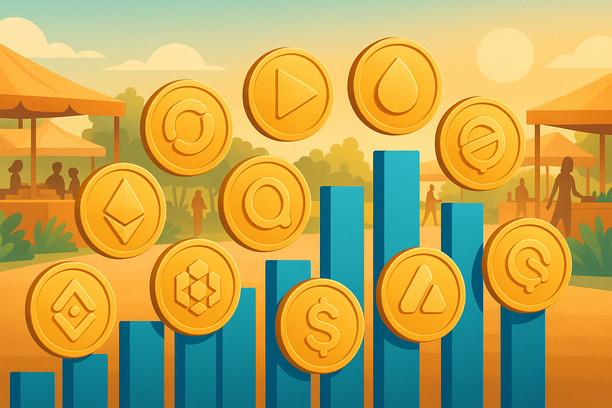
As the crypto market navigates a deep summer correction, a recent OneMiners report reveals the current top 10 digital assets by market cap and highlights which coins you can still mine directly with hardware. Bitcoin continues to dominate, accounting for over half of the market’s value, while Ethereum and other large-cap altcoins jostle for position in a shifting landscape.
Market Correction and Leaderboard Dynamics
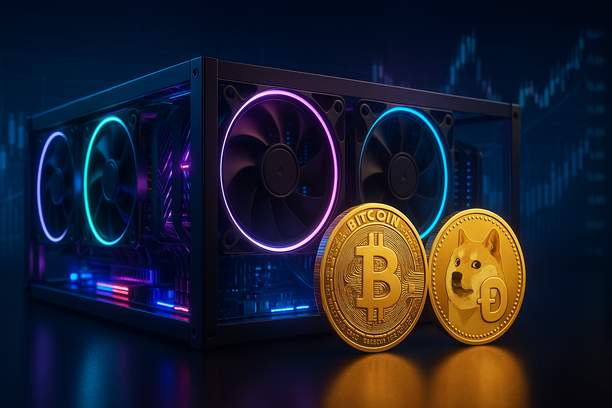
The end of June 2026 brought downward pressure across the board, with Bitcoin dipping just below $60,000 as traders braced for further losses. Despite this pullback, the overall ranking remains largely unchanged: Bitcoin at the forefront, Ethereum trailing in second, and a familiar set of altcoins rounding out the top 10. This consolidation phase underscores the resilience of established coins, even amid broader market uncertainty. A deeper look shows that only two proof-of-work tokens—Bitcoin and Dogecoin—can be mined directly, a distinction that shapes investor strategies today.
Proof-of-Work vs Proof-of-Stake: The Mining Edge
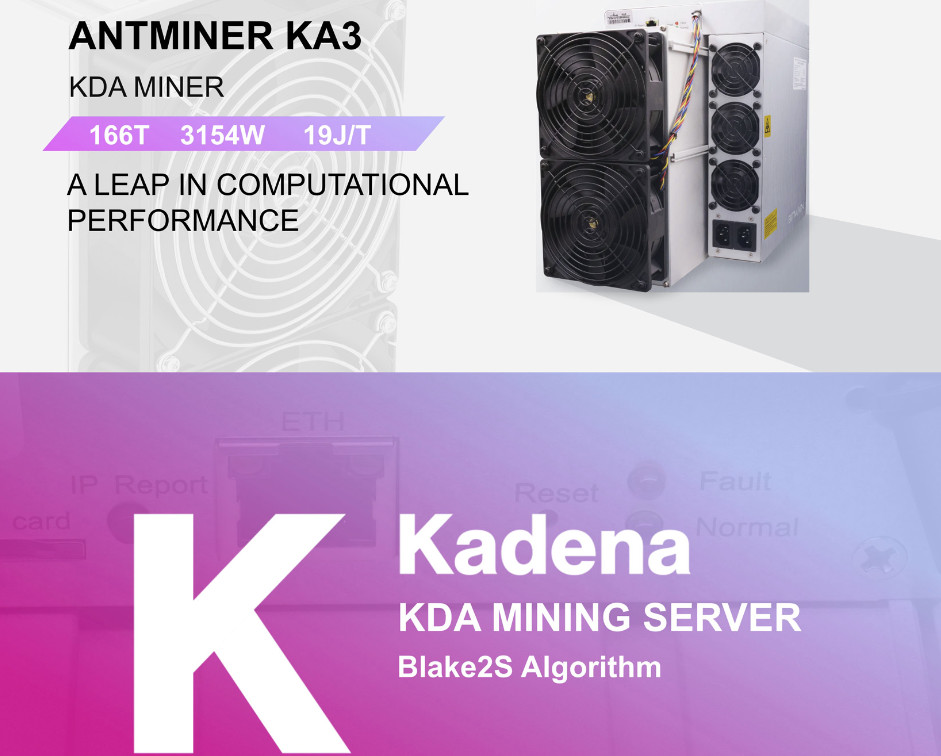
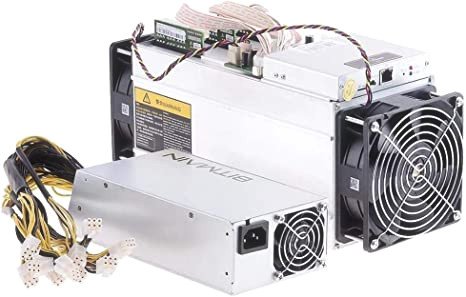
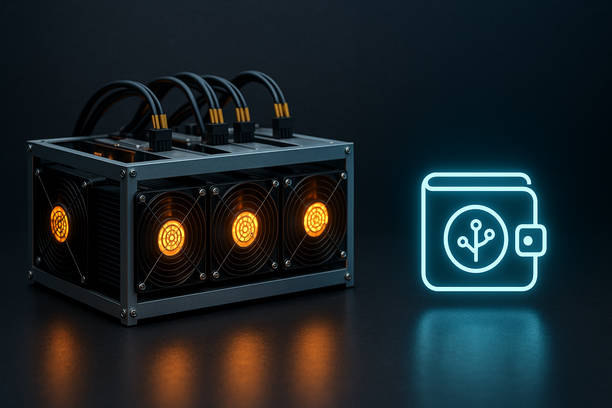
Of the top 10 cryptocurrencies, only Bitcoin (BTC) and Dogecoin (DOGE) operate on a proof-of-work algorithm, enabling on-chain production through mining rigs. All other leading assets rely on proof-of-stake or other consensus mechanisms, meaning they must be purchased, staked, or held. Miners seeking an edge are increasingly deploying specialized ASIC hardware, with many opting for the latest models available via ASICProfit’s selection. Hosting solutions like those offered by OneMiners further streamline operations, making it easier than ever to secure the network and accumulate rewards.
Institutional Flows and ETF Dynamics
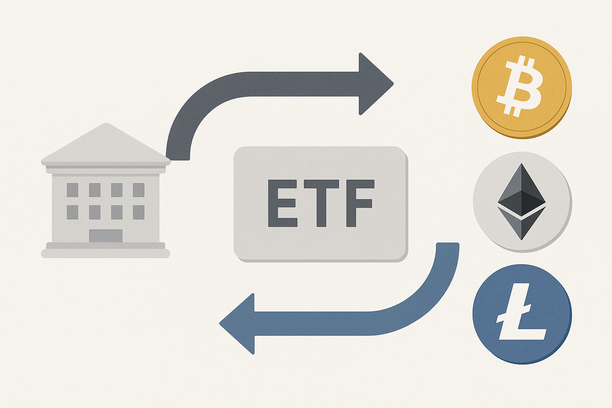
While mining remains attractive, institutions continue to influence market liquidity through exchange-traded funds (ETFs). June saw a record $4 billion in net outflows from Bitcoin ETFs, the worst month since launch, adding pressure to prices as traders reassess demand. At the same time, large-scale transfers—such as BlackRock’s 7,432 BTC and 8,150 ETH deposit to Coinbase Prime—signal continued strategic positioning rather than a broad sell-off. These flows highlight a bifurcated market: retail and miners holding steady against shifting institutional appetites.
Choosing Between Mining and Buying: A Risk-Adjusted Approach
For investors weighing mining vs buying, the choice boils down to risk tolerance, capital expenditure, and operational overhead. Mining requires upfront investment in hardware, ongoing energy costs, and technical know-how, but offers the potential for cost basis below market prices. Conversely, purchasing on exchanges delivers instant exposure without the operational burden but carries counterparty risk and fee structures. As large transfers underscore institutional confidence in on-chain assets, individual investors must assess whether direct participation in mining justifies the added complexity. Ultimately, a balanced portfolio blending mined BTC with purchased altcoins can optimize risk-adjusted returns in today’s evolving crypto landscape.
Related source: Bitcoin ETFs Set for Worst Month With $4 Billion in Outflows