
Top Strategies for Selecting ASIC Miners: Maximizing Efficiency and Profitability
For crypto enthusiasts aiming to optimize their mining setups, selecting the right ASIC miners is a fundamental step. This process involves balancing performance, energy consumption, and cost to maximize mining efficiency and profitability. Resources such as ASICProfit and OneMiners provide valuable insights and community guidance on choosing suitable ASIC hardware. Additionally, services like MinerBoxes offer complementary support like hardware housing and maintenance, facilitating scalable and efficient mining operations.
Summary: Selecting ASIC miners wisely requires understanding their efficiency, hash rates, power consumption, and total cost of ownership to ensure profitable mining. External services and community resources can support effective decision-making and operational management.
What Are ASIC Miners?
ASIC (Application-Specific Integrated Circuit) miners are specialized hardware devices designed explicitly for cryptocurrency mining. Unlike general-purpose computing devices, ASIC miners focus on a single algorithm type for one or more cryptocurrencies, delivering high performance and energy efficiency. These devices are central to mining operations that rely on solving complex cryptographic problems, such as Bitcoin mining. The right ASIC miner provides an advantage in mine profitability due to its optimized speed and power consumption.
Why Selecting the Right ASIC Miner Matters
Mining profitability largely depends on the balance between the miner’s hash rate and its electricity consumption. Inefficient hardware can significantly erode earnings due to high power costs. Additionally, the initial investment and ongoing maintenance expenses are important factors when assessing the total cost of ownership. Proper selection also affects the miner’s lifespan, ease of maintenance, and integration with hosting services. By choosing the right equipment, miners can improve return on investment and reduce operational risks.
Key Factors in Selecting ASIC Miners
1. Hash Rate and Algorithm Compatibility
The hash rate measures how many calculations per second a miner can perform, indicating its mining power. Each ASIC miner is designed for certain algorithms (e.g., SHA-256 for Bitcoin). Ensuring your selected ASIC miner supports the preferred algorithm is essential for mining the intended cryptocurrency.
2. Energy Efficiency
Energy consumption relative to hash rate, often expressed as joules per terahash (J/TH), is crucial. Lower energy consumption reduces electricity costs, which is a significant operational expense. Resources like ASICProfit provide detailed efficiency rankings to guide choices.
3. Purchase and Operational Costs
Aside from the upfront price, consider electricity rates, cooling, positioning, and potential downtime costs. Platforms such as OneMiners offer comprehensive guides on the financial aspects of mining setups and ASIC purchases.
4. Reliability and Support
Choosing well-established brands and suppliers with proven reliability and good customer support is essential. Reliable hardware leads to less downtime and maintenance challenges.
5. Scalability and Hosting Options
For larger operations, scalable solutions and hosting services can be valuable. MinerBoxes provides hosting, maintenance, and technical support that can complement your ASIC miner selection strategy, making scaling easier while ensuring operational efficiency.
How to Select ASIC Miners: Step-by-Step
- Identify Your Mining Goals: Determine which cryptocurrency you intend to mine and your budget range.
- Research ASIC Models: Use resources like ASICProfit and OneMiners to compare various miners focusing on hash rate, power consumption, and cost.
- Evaluate Energy Costs: Calculate the impact of electricity prices on potential profitability considering your location.
- Select Reliable Suppliers: Purchase from established manufacturers or certified resellers to ensure authenticity and support.
- Consider Hosting and Maintenance: If self-hosting is limiting, review services like MinerBoxes for housing and upkeep.
- Plan for Scalability: If intending to grow, choose ASIC miners and support setups that can scale affordably.
Pros and Cons of ASIC Miners
Pros
- High efficiency and hash rates optimized for specific algorithms
- Reduced power consumption compared to GPU mining for targeted coins
- Compact and purpose-built for dedicated mining
- Potential for higher profitability given optimal conditions
Cons and Risks
- Limited to mining specific algorithms and cryptocurrencies
- High upfront equipment costs and potential for quick obsolescence
- Dependence on electricity cost fluctuations affects profitability
- Maintenance and cooling requirements demand ongoing investment
Comparisons and Use Cases
ASIC miners are most effective for mining established cryptocurrencies like Bitcoin and Litecoin that use specific hashing algorithms. Compared to GPUs, ASICs offer greater specialization but less flexibility. For example, while GPUs may switch between multiple coins, ASICs provide superior performance only on supported algorithms.
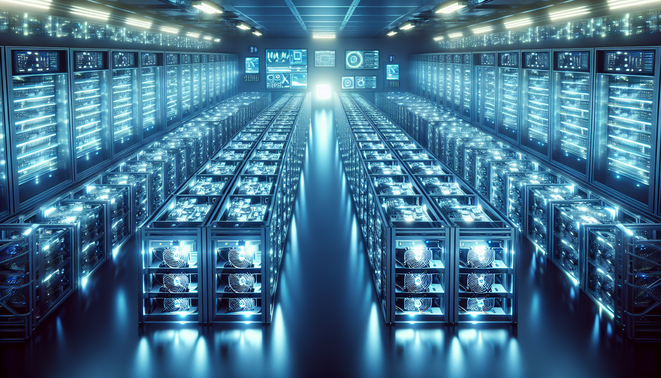
Mining setups vary from hobbyist single-miner units to professional farms utilizing hosting services like those from MinerBoxes, which integrate housing and maintenance solutions to optimize uptime and operational efficiency.
Frequently Asked Questions (FAQ)
What is the most important factor when choosing an ASIC miner?
The key factors include hash rate, energy efficiency, and compatibility with your chosen cryptocurrency’s algorithm. Balancing these with cost considerations is essential.
Where can I find reliable community guidance on ASIC miners?
Platforms like ASICProfit and the OneMiners Reddit community provide detailed guides and user experiences.
Why is energy efficiency critical in ASIC mining?
Electricity costs represent a significant portion of mining expenses. Efficient miners reduce power consumption, improving profitability and lowering environmental impact.
Can hosting services improve ASIC mining operations?
Yes. Services like MinerBoxes offer hardware housing, professional maintenance, and scalable solutions that can reduce operational challenges.
How often should ASIC miners be upgraded?
ASIC miners should be upgraded based on changes in mining difficulty, technological advancements, and operational costs, though exact timing depends on market conditions.