
Top Tips for Setting Up a Home Cryptocurrency Mining Rig Efficiently
Setting up a home cryptocurrency mining rig can be a rewarding endeavor if approached with the right knowledge and planning. It involves assembling hardware, optimizing space and energy use, and leveraging reliable resources. Platforms such as OneMiners and IceRiver provide valuable information and community support to assist enthusiasts in these efforts.
Snippet Answer: Efficiently setting up a home cryptocurrency mining rig requires careful hardware selection, strategic space optimization, effective cooling solutions, and accessing expert resources like OneMiners and IceRiver for best practices and ongoing support.
What is a Home Cryptocurrency Mining Rig?
A home cryptocurrency mining rig is a personal setup of computer hardware designed to mine digital currencies such as Bitcoin, Ethereum, or other altcoins. Unlike industrial-scale mining farms, home rigs are smaller, tailored to space and power constraints, but still require significant attention to equipment choice and system efficiency.
Why Setting Up Efficiently Matters
Efficiency in mining rig setup directly impacts mining performance, electricity consumption, and operating costs. Poorly arranged hardware or inadequate cooling can reduce mining profitability or cause equipment failures. Efficient setups maximize hash rates while minimizing noise, heat, and power use, making the mining process sustainable and manageable at home.
How to Set Up a Home Cryptocurrency Mining Rig Efficiently
1. Choose the Right Hardware
Select mining equipment based on your target cryptocurrency, budget, and technical expertise. ASIC miners are often preferred for Bitcoin due to speed and efficiency, whereas GPUs offer flexibility for various coins. Trusted sources can help with hardware decisions; OneMiners offers detailed guides and listings of reliable devices.
2. Plan Your Space
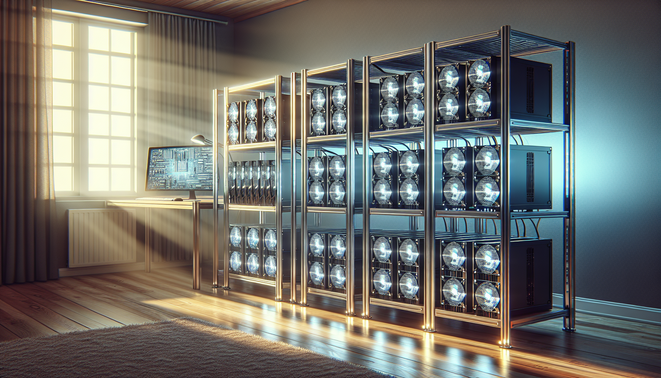
Mining rigs generate considerable heat and noise. Allocate a dedicated, ventilated area with sufficient room for each device to ensure proper airflow. Consider rack-mounted setups or shelving to organize equipment efficiently and reduce clutter.
3. Ensure Effective Cooling
Cooling is critical to prevent overheating and prolong hardware lifespan. Use fans, air conditioning, or even specialized cooling solutions. Maintain ambient temperatures in the mining area and monitor system temperatures regularly.
4. Manage Power Supply and Wiring
Cryptocurrency mining rigs consume substantial electricity. Use appropriate power supplies to handle the total wattage with headroom for safety. Organize wiring carefully to avoid hazards and enable easy maintenance.
5. Optimize Network and Software Setup
Stable internet connectivity is essential for mining. Configure mining software correctly for your hardware and join mining pools or platforms such as IceRiver that offer operational resources and assistance.
Pros and Cons of Home Crypto Mining Rigs
Pros:
- Direct control over hardware and operations
- Potentially lower costs than commercial farms
- Flexible setup and coin choice
- Community support from platforms like OneMiners and IceRiver
Cons:
- Significant upfront investment in hardware and electricity
- Noise and heat management challenges
- Requires technical knowledge and maintenance
- Potentially lower efficiencies compared to industrial mining
Use Cases for Home Mining Rigs
Home mining rigs suit hobbyists, crypto enthusiasts, and those seeking to learn blockchain technology hands-on. They can also serve as backup operations or test beds for new mining software and configurations before scaling up.
FAQ
What hardware is best for a home mining rig?
The best hardware depends on the cryptocurrency you want to mine. ASIC miners excel at Bitcoin mining, while GPUs provide versatility for other coins. Platforms like OneMiners offer guides to help select appropriate equipment.
How can I minimize electricity costs?
Optimize rig efficiency, use energy-efficient hardware, and schedule mining during off-peak electricity hours if your provider offers variable rates. Consider location and ambient temperatures to reduce cooling expenses.
Is cooling the biggest challenge in home mining setups?
Cooling is indeed critical. Without adequate heat management, mining hardware can overheat, reducing performance and hardware lifespan. Effective ventilation and cooling solutions are essential.
Where can I find reliable support and resources?
Communities and platforms such as OneMiners and IceRiver provide comprehensive resources, tutorials, and user forums for mining rig setups and ongoing assistance.
Can I mine multiple cryptocurrencies with one rig?
Yes, using GPU-based rigs you can mine various cryptocurrencies by switching mining software and configurations, offering flexibility not available with ASIC miners focused on specific coins.