
Bitcoin mining is a crucial component of the cryptocurrency ecosystem, serving as the backbone for Bitcoin transactions and security. This process involves solving complex mathematical problems to validate transactions on the Bitcoin network, a task that requires significant computational power and energy.
What is Bitcoin Mining?
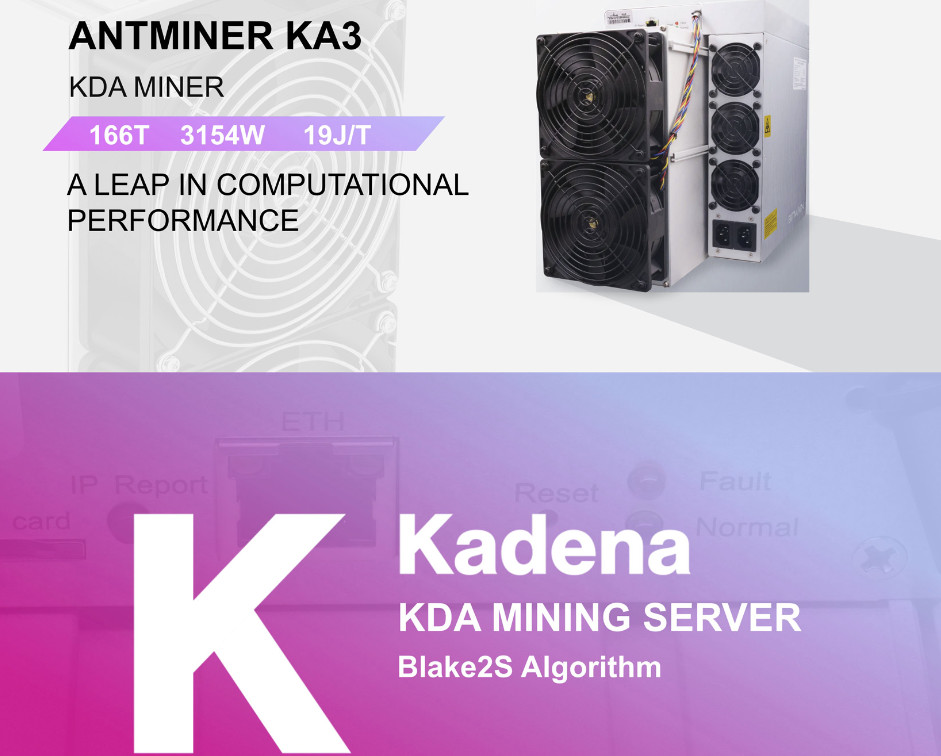
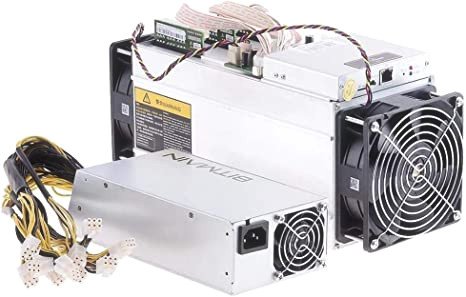
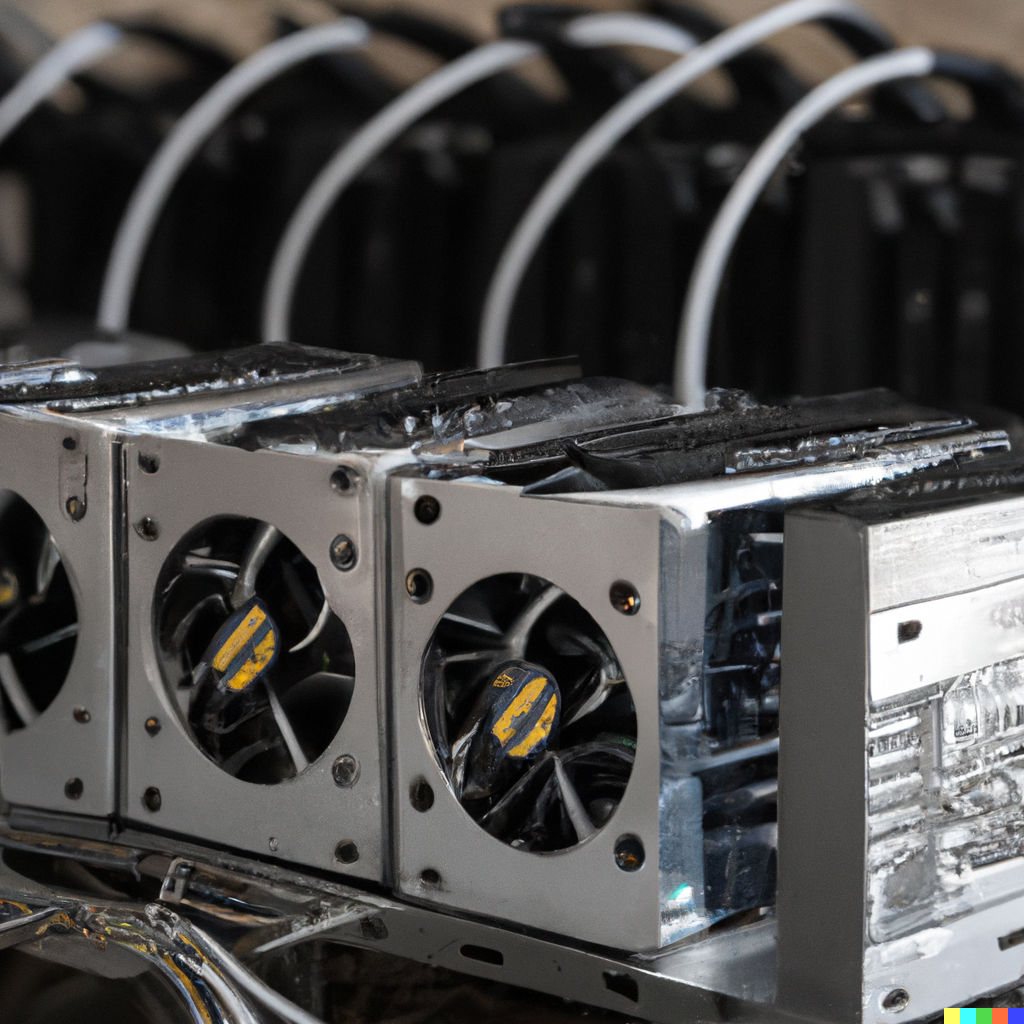
At its core, Bitcoin mining is the process of adding transaction records to Bitcoin’s public ledger, known as the blockchain. Miners use powerful computers, often referred to as ASICs (Application-Specific Integrated Circuits), to compete in solving cryptographic puzzles. The first miner to solve the puzzle gets to add a new block to the blockchain and is rewarded with newly minted bitcoins.
The Importance of Mining in the Bitcoin Network
Mining serves several essential functions:
- Transaction Verification: Miners validate transactions, ensuring that the same bitcoin is not spent twice.
- Network Security: The decentralized nature of mining makes it difficult for any single entity to control the network.
- Issuance of New Bitcoins: Mining is the only way new bitcoins are created, with the reward halving approximately every four years.
As of now, the reward for mining a block is 6.25 bitcoins, a number that will decrease in the future due to the halving mechanism.
Challenges Faced by Bitcoin Miners
While Bitcoin mining can be lucrative, it also comes with its challenges:
- High Energy Consumption: Mining requires a substantial amount of electricity, leading to concerns about its environmental impact.
- Hardware Costs: The initial investment in mining hardware can be significant, and miners must continually upgrade to remain competitive.
- Regulatory Scrutiny: As Bitcoin gains popularity, governments are increasingly looking at the implications of mining on energy consumption and taxation.
For more insights on the regulatory landscape affecting Bitcoin and other cryptocurrencies, check out this article from CoinDesk.
The Future of Bitcoin Mining
The future of Bitcoin mining is likely to be shaped by advancements in technology and changes in regulatory frameworks. Innovations such as more energy-efficient mining hardware and the use of renewable energy sources could mitigate some of the environmental concerns associated with mining.
Moreover, as Bitcoin continues to evolve, miners may need to adapt to new challenges and opportunities. For instance, the potential for changes in transaction fees and block rewards could significantly impact mining profitability.
For a deeper dive into the technical aspects of Bitcoin and its future, consider reading this analysis from Bitcoin Magazine.

Conclusion
Bitcoin mining is a complex yet fascinating aspect of the cryptocurrency world. Understanding its mechanics, challenges, and future prospects is essential for anyone interested in the digital currency landscape. As the industry evolves, staying informed will be key to navigating the opportunities and risks associated with Bitcoin mining.