

Bitcoin mining is a crucial component of the Bitcoin network, enabling transactions and securing the blockchain. As the cryptocurrency market evolves, understanding the intricacies of Bitcoin mining becomes essential for both new and seasoned investors.
What is Bitcoin Mining?
At its core, Bitcoin mining involves solving complex mathematical problems to validate transactions on the Bitcoin network. Miners use specialized hardware known as ASICs (Application-Specific Integrated Circuits) to perform these calculations. The first miner to solve the problem gets to add a new block to the blockchain and is rewarded with newly minted bitcoins.
Types of Mining Equipment
Choosing the right mining equipment is vital for profitability. The two primary types of mining hardware are:
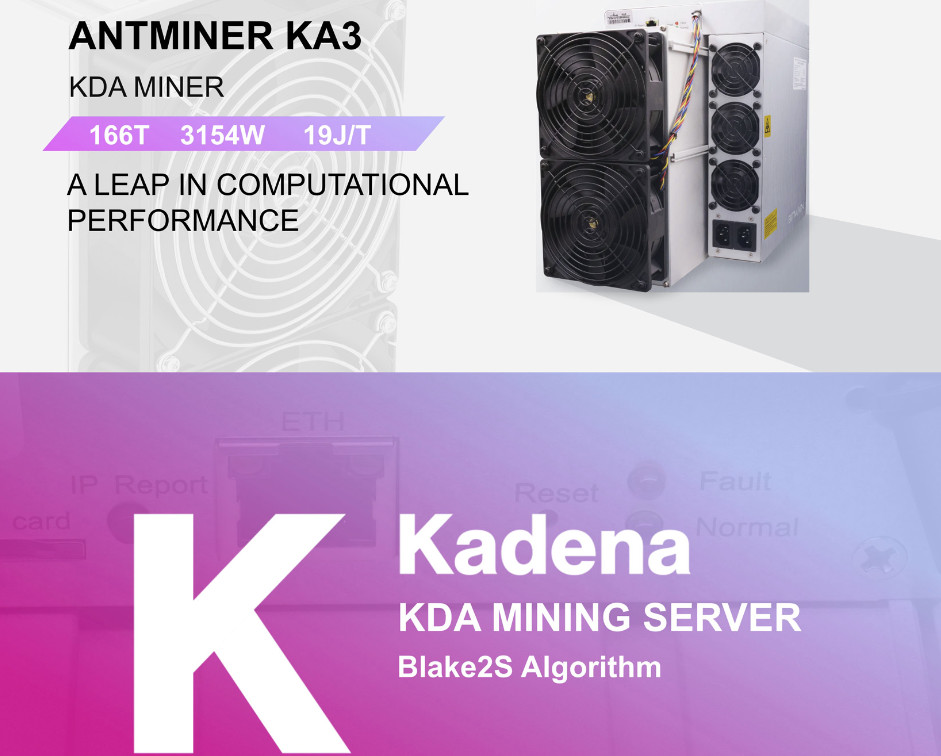
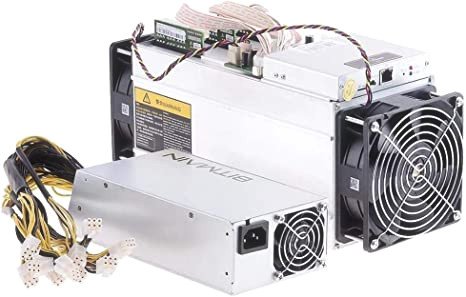
- ASIC Miners: These are the most efficient and powerful devices for Bitcoin mining. For instance, the Antminer S23 offers a hashrate of 318 TH/s, making it a popular choice among miners.
- GPU Miners: While not as efficient as ASICs for Bitcoin, GPUs can be used for mining other cryptocurrencies. They are more versatile but generally less profitable for Bitcoin mining.

Profitability Factors in Bitcoin Mining
Several factors influence the profitability of Bitcoin mining:
- Electricity Costs: Mining consumes a significant amount of energy. Miners must consider their local electricity rates, as high costs can eat into profits.
- Mining Difficulty: The Bitcoin network adjusts the difficulty of mining approximately every two weeks. As more miners join the network, the difficulty increases, making it harder to earn rewards.
- Market Price of Bitcoin: The price of Bitcoin directly affects mining profitability. When prices rise, mining becomes more lucrative, and vice versa.
Current Trends in Bitcoin Mining
The Bitcoin mining landscape is continually changing. Recent developments include:
- Environmental Concerns: The energy consumption of Bitcoin mining has raised environmental issues. Many miners are exploring renewable energy sources to mitigate their carbon footprint.
- Regulatory Scrutiny: Governments worldwide are beginning to regulate cryptocurrency mining, impacting operations and profitability. For example, recent discussions around mining regulations have emerged in various jurisdictions.
- Technological Advancements: Innovations in mining hardware and software are improving efficiency and reducing costs. Keeping abreast of these advancements is crucial for miners.
Challenges Faced by Bitcoin Miners
While Bitcoin mining can be profitable, it is not without its challenges:
- Competition: The increasing number of miners leads to fierce competition, making it harder to earn rewards.
- Market Volatility: The price of Bitcoin can fluctuate dramatically, affecting profitability.
- Hardware Costs: The initial investment in mining equipment can be substantial, and ongoing maintenance costs can add up.
Conclusion
Bitcoin mining remains a vital part of the cryptocurrency ecosystem. By understanding the equipment, profitability factors, and current trends, miners can make informed decisions. As the industry continues to evolve, staying updated on the latest developments is essential for success. For more insights on mining equipment, check out the detailed comparison of the Antminer S23 vs Antminer Z15 Pro.
Additional reading: Grayscale quietly drops Cardano, Polkadot and Hedera ETF plans from CoinDesk.
Additional reading: BIP-110 Fork Stalls at Two Blocks as Bitcoin Miners Refuse to Follow from Bitcoin Magazine.