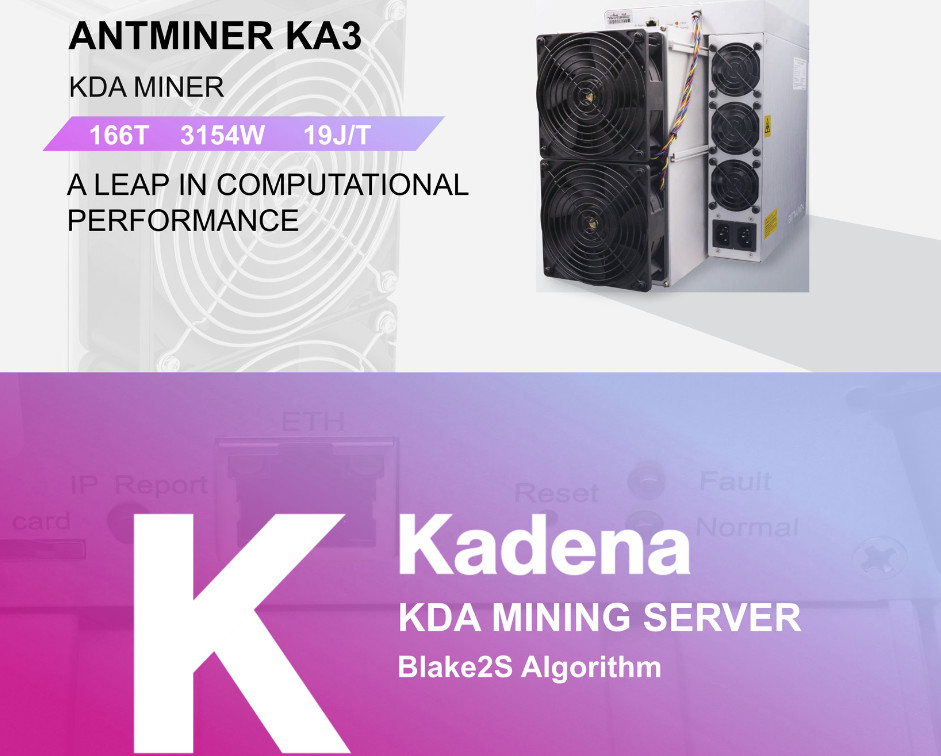


Bitcoin mining is a crucial process that underpins the entire cryptocurrency ecosystem. It involves validating transactions and adding them to the blockchain, ensuring the integrity and security of the network. As the popularity of Bitcoin continues to rise, understanding the intricacies of mining becomes increasingly important.
What is Bitcoin Mining?
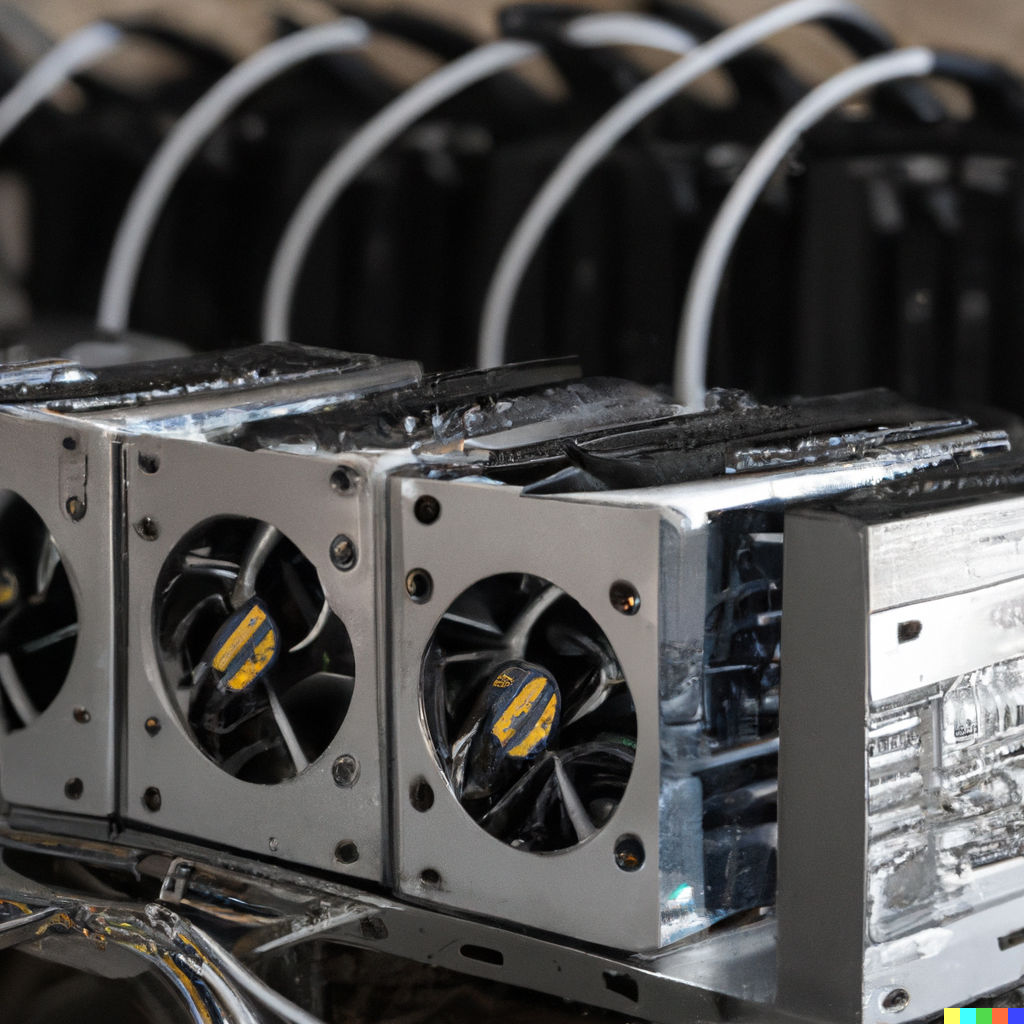
At its core, Bitcoin mining is the process of solving complex mathematical problems to validate transactions on the Bitcoin network. Miners use powerful computers, known as ASICs (Application-Specific Integrated Circuits), to perform these calculations. Once a problem is solved, the miner adds a new block to the blockchain and is rewarded with newly minted bitcoins.
The Role of Miners
Miners play a vital role in maintaining the Bitcoin network. They ensure that transactions are processed efficiently and securely. Without miners, the network would be vulnerable to attacks and manipulation. As more miners join the network, the difficulty of solving these mathematical problems increases, which helps to maintain the stability of the Bitcoin ecosystem.
Energy Consumption and Environmental Impact
One of the most significant criticisms of Bitcoin mining is its energy consumption. Mining operations require substantial amounts of electricity, leading to concerns about their environmental impact. According to a report by OneMiners, the energy demands of Bitcoin mining have sparked debates about sustainability and the future of the industry.
Many mining facilities are now exploring renewable energy sources to mitigate their carbon footprint. For instance, some operations are utilizing solar and wind energy to power their mining rigs. This shift not only helps the environment but can also reduce operational costs.
Technological Advancements in Mining
The Bitcoin mining landscape is constantly evolving, with new technologies emerging to improve efficiency and profitability. Innovations such as liquid cooling systems and advanced ASIC miners are becoming more common. These technologies help miners maximize their output while minimizing energy consumption.
Market Trends Affecting Mining
As the cryptocurrency market fluctuates, so does the profitability of mining. Recent trends indicate that while Bitcoin prices remain volatile, the demand for mining remains strong. Reports from CoinDesk highlight how regulatory developments and market dynamics are influencing mining operations.
Moreover, the introduction of new financial products, such as ETFs with Bitcoin exposure, is reshaping the investment landscape. For example, VanEck recently launched an all-in-one wealth builder ETF that includes Bitcoin, indicating growing institutional interest in the cryptocurrency.
Conclusion
Bitcoin mining remains a foundational element of the cryptocurrency ecosystem. As technology advances and the market evolves, miners must adapt to new challenges and opportunities. Understanding the complexities of mining is essential for anyone interested in the future of Bitcoin and the broader cryptocurrency landscape.