

Bitcoin mining is a crucial process that underpins the entire Bitcoin network, ensuring transactions are verified and added to the blockchain. This article delves into the various aspects of Bitcoin mining, including hardware choices, profitability, and current market trends.
What is Bitcoin Mining?
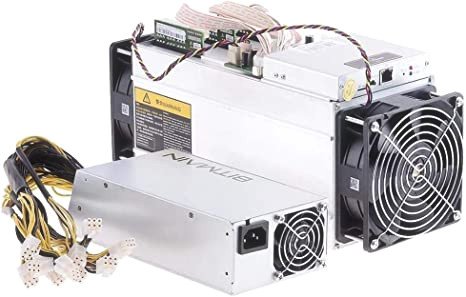
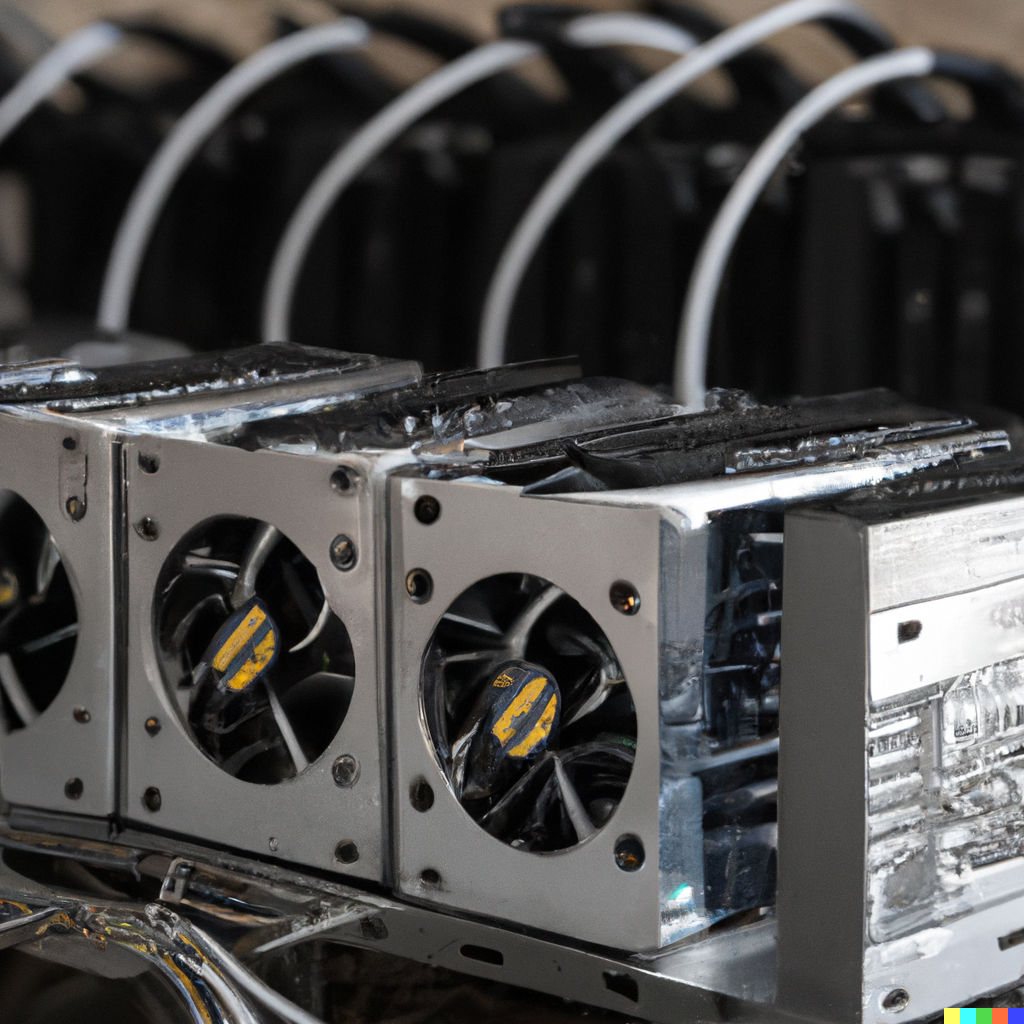
Bitcoin mining involves solving complex mathematical problems to validate transactions on the Bitcoin network. Miners use powerful computers, known as ASICs (Application-Specific Integrated Circuits), to perform these calculations. Successful miners are rewarded with newly minted bitcoins and transaction fees.
Choosing the Right Mining Hardware
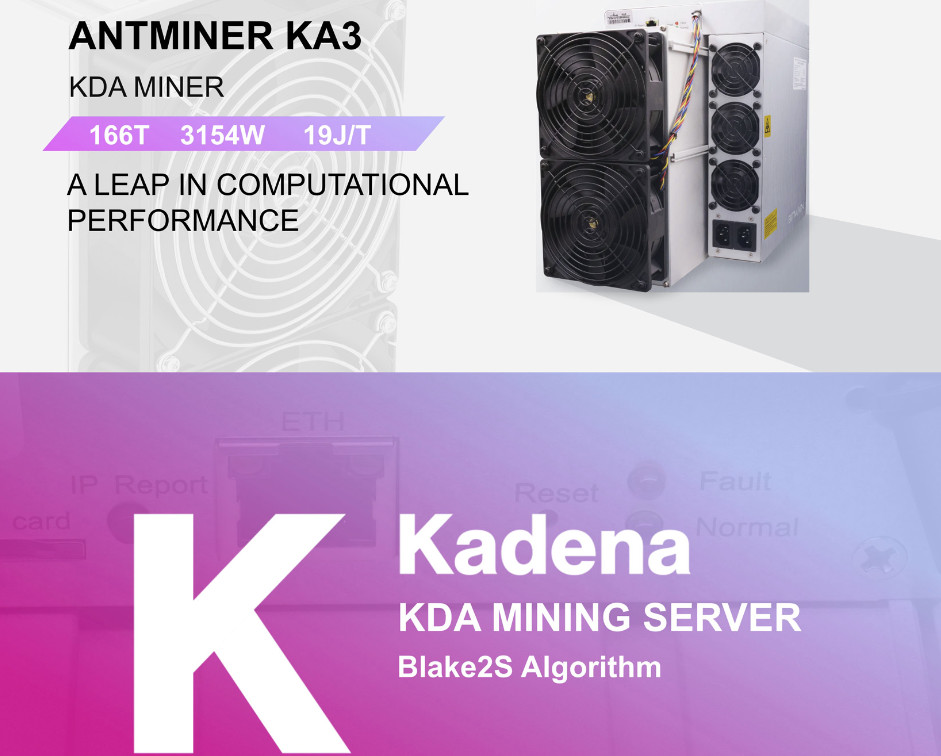
When it comes to mining hardware, the choice can significantly impact profitability. The Antminer S23 and Antminer Z15 Pro are two popular models, each designed for different cryptocurrencies. The Antminer S23, for instance, boasts a hashrate of 318 TH/s, making it suitable for Bitcoin mining, while the Z15 Pro is optimized for Zcash. Understanding the specifications and power consumption of these devices is essential for miners looking to maximize their returns. For a detailed comparison, check out this OneMiners article.
Profitability Factors in Bitcoin Mining
Profitability in Bitcoin mining is influenced by several factors:
- Electricity Costs: Mining requires substantial energy, and electricity rates can vary significantly by region.
- Mining Difficulty: As more miners join the network, the difficulty of solving blocks increases, which can affect profitability.
- Bitcoin Price: The market price of Bitcoin directly impacts the potential earnings from mining.
Recent reports indicate that elite wallets holding over 10,000 BTC have reached a six-month high, suggesting a trend of accumulation among major players in the market. This could influence future mining profitability as demand fluctuates. For more insights, refer to CoinDesk’s coverage on Bitcoin’s strongest hands.
Market Trends and Regulatory Environment
The landscape of Bitcoin mining is continuously evolving, influenced by regulatory changes and market dynamics. For instance, in Australia, recent regulatory actions have led to the suspension of several Bitcoin ATMs, signaling a potential crackdown on cryptocurrency operations. This development highlights the importance of staying informed about local regulations that may impact mining activities. For further details, see Decrypt’s article on Bitcoin ATMs in Australia.
Conclusion
Bitcoin mining remains a complex but rewarding endeavor for those willing to navigate its challenges. By understanding the hardware options, profitability factors, and market trends, miners can make informed decisions that enhance their chances of success in this dynamic field.