
Bitcoin mining is a crucial component of the cryptocurrency ecosystem, enabling transactions and maintaining the integrity of the blockchain. As the market evolves, understanding the technology and profitability of Bitcoin mining becomes essential for both investors and enthusiasts.
What is Bitcoin Mining?
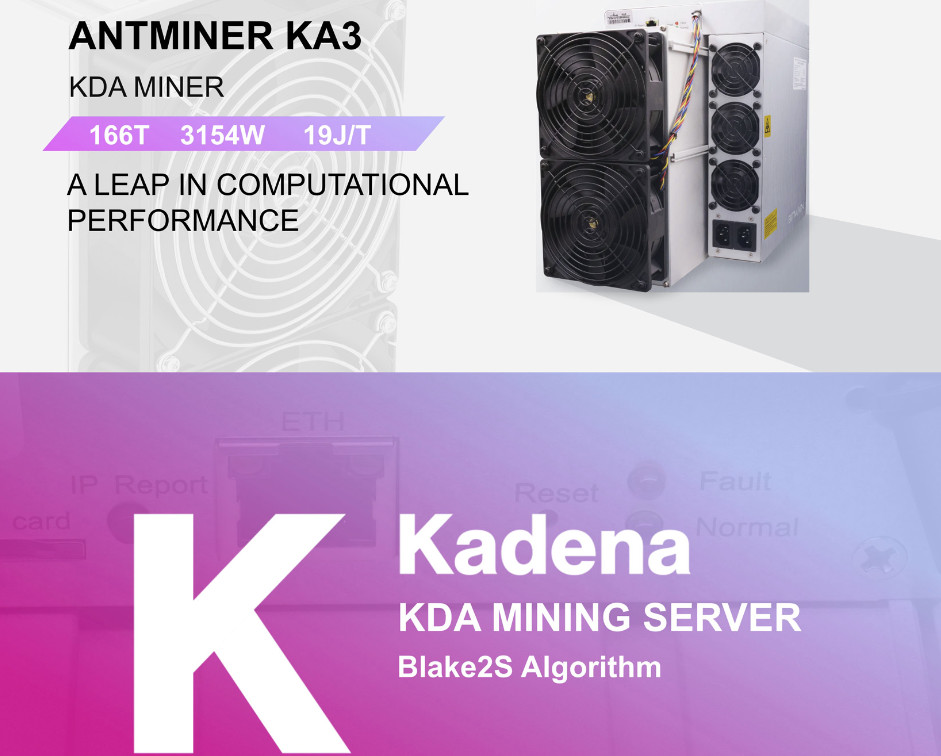
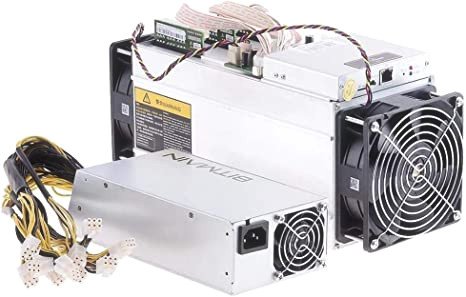
Bitcoin mining involves solving complex mathematical problems to validate transactions on the Bitcoin network. Miners use powerful computers, known as ASICs (Application-Specific Integrated Circuits), to compete in solving these problems. The first miner to solve the problem gets to add a new block to the blockchain and is rewarded with newly minted bitcoins.
How Bitcoin Mining Works
The mining process starts with miners collecting transactions from the Bitcoin network. These transactions are then grouped into a block. Miners must find a hash that meets specific criteria, which requires significant computational power. This process is known as proof of work.
Once a miner successfully finds the correct hash, the new block is added to the blockchain, and the miner is rewarded with bitcoins. This reward decreases approximately every four years in an event known as the halving.
Profitability of Bitcoin Mining
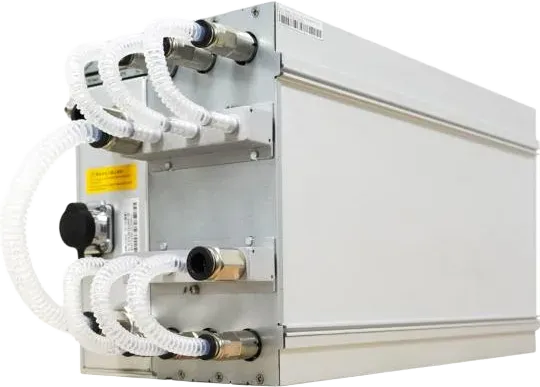
Profitability in Bitcoin mining depends on several factors, including the cost of electricity, the efficiency of mining hardware, and the current price of Bitcoin. For instance, the Antminer S23 Hydro offers a hash rate of 580 TH/s with a power consumption of 9.5 J/TH, making it one of the most efficient miners available. Understanding these metrics is crucial for miners looking to maximize their returns.
Key Factors Influencing Mining Profitability
- Electricity Costs: Mining requires substantial energy, and lower electricity rates can significantly enhance profitability.
- Mining Difficulty: As more miners join the network, the difficulty of mining increases, which can affect profitability.
- Bitcoin Price: The market price of Bitcoin directly influences mining rewards and profitability.
Future Trends in Bitcoin Mining
The landscape of Bitcoin mining is continually changing. With advancements in technology and increasing regulatory scrutiny, miners must adapt to remain competitive. For example, the recent market dynamics show that ETF inflows are impacting Bitcoin prices, which could influence mining profitability.
Environmental Considerations
As concerns about the environmental impact of Bitcoin mining grow, many miners are exploring sustainable energy sources. This shift not only helps reduce carbon footprints but can also lead to lower operational costs. Miners are increasingly investing in renewable energy solutions to power their operations.
Additional reading: Regulators To Push Pro-Crypto Initiatives Following Clarity Act Delay from Bitcoin Magazine.

Conclusion
Bitcoin mining remains a vital part of the cryptocurrency ecosystem, with its profitability influenced by various factors including technology, electricity costs, and market dynamics. As the industry evolves, staying informed about trends and innovations is essential for miners and investors alike.