
Bitcoin mining is a critical process that enables the Bitcoin network to function. It involves validating transactions and adding them to the blockchain, ensuring the integrity and security of the cryptocurrency.
What is Bitcoin Mining?
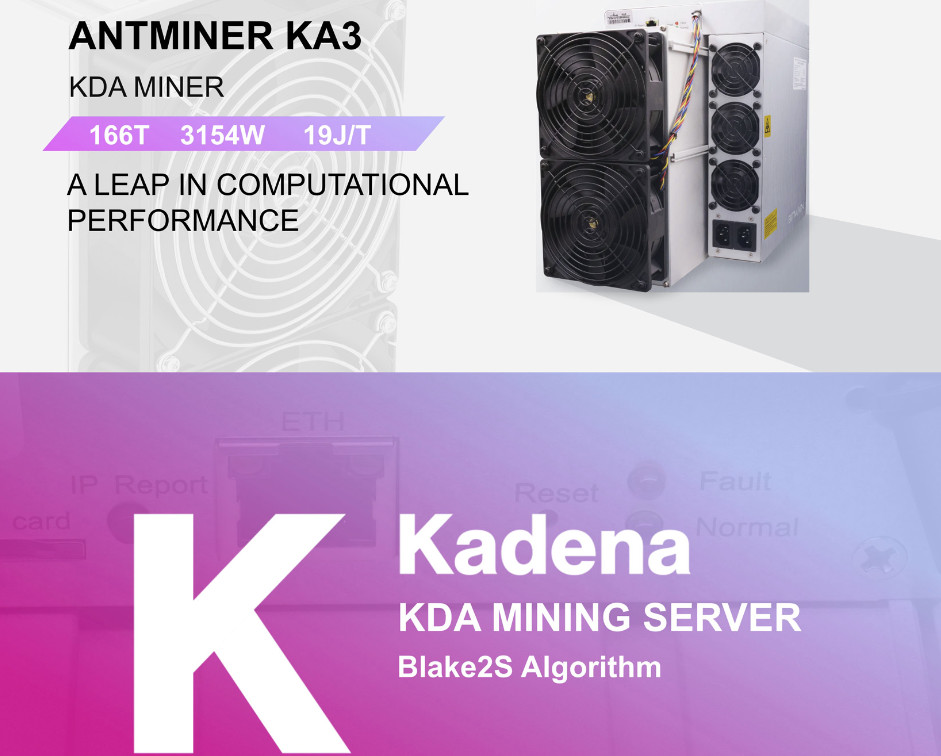
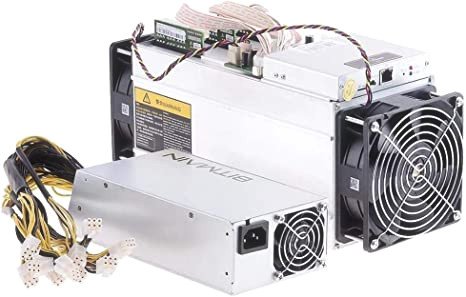
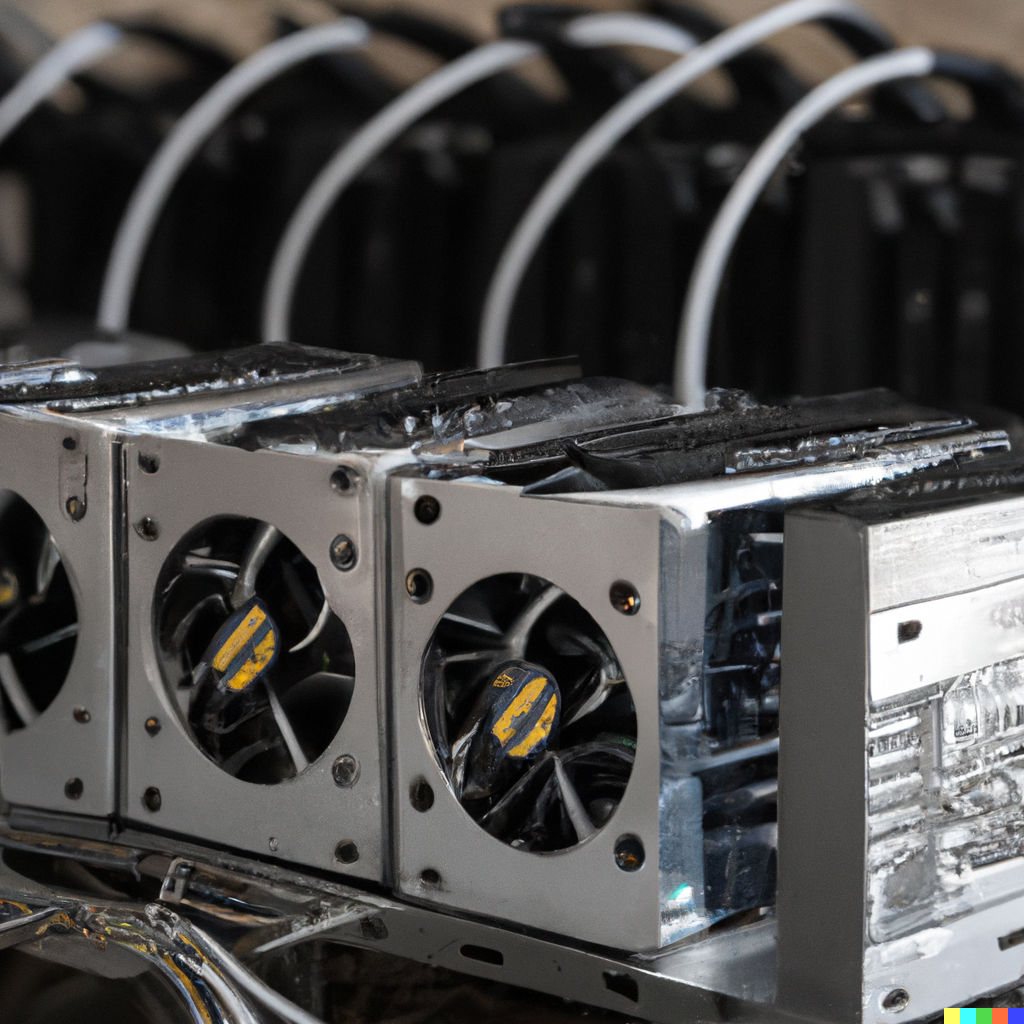
At its core, Bitcoin mining is the process of solving complex mathematical problems to validate transactions on the Bitcoin network. Miners use powerful computers, known as ASICs (Application-Specific Integrated Circuits), to perform these calculations. Successful miners are rewarded with newly minted bitcoins and transaction fees.
The Mining Process
The mining process can be broken down into several key steps:
- Transaction Verification: Miners collect transactions from the Bitcoin network and verify their authenticity.
- Block Creation: Verified transactions are grouped into a block, which is then added to the blockchain.
- Proof of Work: Miners compete to solve a cryptographic puzzle, known as Proof of Work, to validate the block.
- Reward Distribution: The first miner to solve the puzzle receives a reward in the form of bitcoins.
As the Bitcoin network grows, the difficulty of mining increases, requiring more advanced hardware and greater energy consumption.
Starting Your Bitcoin Mining Journey
For those interested in entering the Bitcoin mining space, understanding the financial aspects is crucial. OneMiners offers a unique Buy Now, Pay Later program, allowing miners to start with just 25% down. This means you can begin mining immediately while paying off the remaining balance over time without finance charges.
Choosing the Right Equipment
Selecting the right mining hardware is essential for profitability. ASIC miners are the most efficient for Bitcoin mining, and various models are available on the market. Factors to consider include:
- Hash Rate: The speed at which your miner can solve problems.
- Energy Consumption: The amount of electricity your miner uses.
- Cost: The initial investment required for the hardware.
Additionally, consider the location of your mining operation. Access to cheap electricity can significantly impact your profitability.
Current Trends in Bitcoin Mining
The Bitcoin mining landscape is constantly evolving. Recent developments include:
- Increased Regulation: Countries are implementing stricter regulations on cryptocurrency mining, impacting operations globally. For instance, Ireland’s new AML strategy introduces enhanced checks on private crypto wallets.
- Environmental Concerns: The energy consumption of Bitcoin mining has raised environmental concerns, prompting discussions on sustainable practices.
- Technological Advancements: Innovations in mining hardware and software are making mining more efficient and accessible.
As the industry matures, miners must adapt to these changes to remain competitive.
Additional reading: Israel’s largest bank to offer crypto trading with Galaxy from CoinDesk.

Conclusion
Bitcoin mining is an intricate process that plays a vital role in the cryptocurrency ecosystem. By understanding the fundamentals, choosing the right equipment, and staying informed about industry trends, aspiring miners can successfully navigate this exciting field.