

Bitcoin mining is a critical component of the cryptocurrency ecosystem, serving as the backbone for transaction verification and network security. As the demand for Bitcoin continues to grow, understanding the nuances of mining becomes increasingly important for both investors and enthusiasts.
What is Bitcoin Mining?
At its core, Bitcoin mining involves solving complex mathematical problems to validate transactions on the Bitcoin network. Miners use powerful computers to compete in solving these problems, and the first to succeed gets to add a new block to the blockchain, earning Bitcoin as a reward.
The Mining Process
- Transaction Verification: Miners collect and verify transactions from the Bitcoin network.
- Block Creation: Once verified, transactions are bundled into a block.
- Proof of Work: Miners must solve a cryptographic puzzle to add the block to the blockchain.
- Reward: Successful miners receive Bitcoin as a reward for their efforts.
This process not only secures the network but also introduces new Bitcoins into circulation, making mining a vital aspect of the cryptocurrency’s economy.
Technological Advances in Mining
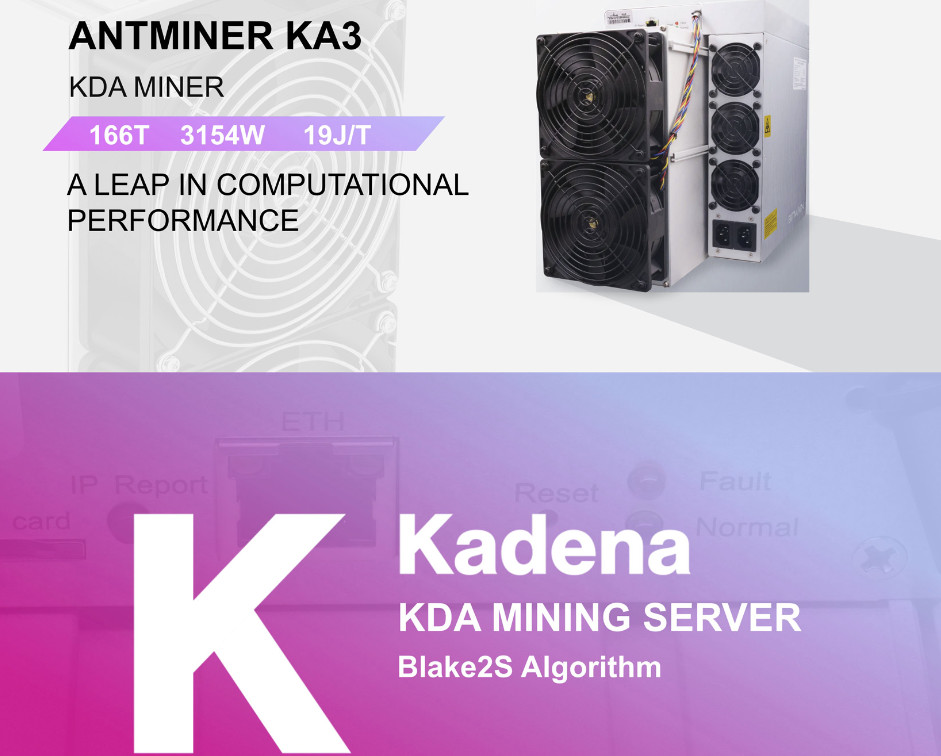
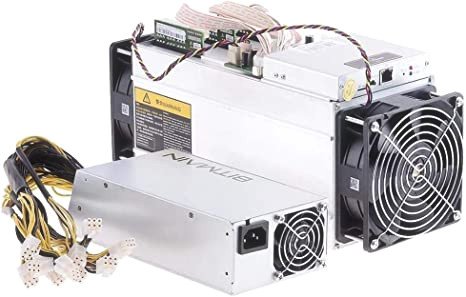
As technology evolves, so does the efficiency of Bitcoin mining. Modern mining operations utilize specialized hardware known as ASICs (Application-Specific Integrated Circuits), which are designed specifically for mining Bitcoin. This has significantly increased the hash rate, or the speed at which miners can solve cryptographic puzzles.
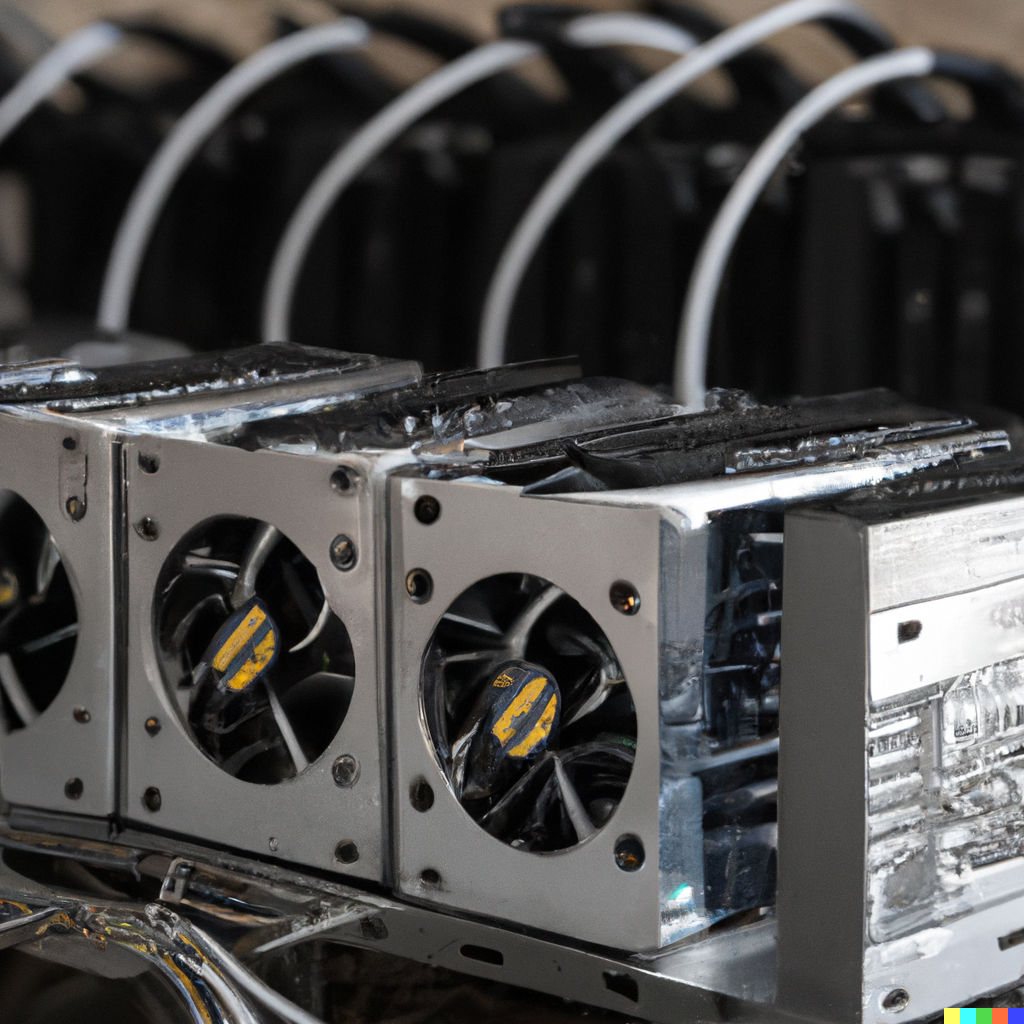
Moreover, innovations in cooling systems and power management are helping miners reduce operational costs. For instance, many facilities are now using renewable energy sources to power their operations, which not only cuts costs but also addresses environmental concerns associated with Bitcoin mining.
The Impact of Regulation on Bitcoin Mining
Regulatory frameworks are evolving as governments around the world seek to understand and manage the implications of cryptocurrency mining. Recently, discussions around the Clarity Act have gained traction, aiming to provide a clearer regulatory environment for digital assets, including Bitcoin mining.
During a recent White House meeting, President Trump emphasized the need for a fair version of this act, which could significantly impact how mining operations are regulated in the U.S. Bitcoin Magazine reports that such regulations could streamline compliance and foster a more stable environment for miners.
Market Trends and Future Outlook
The Bitcoin mining landscape is continuously changing, influenced by market dynamics and technological advancements. As more miners enter the space, competition increases, leading to fluctuations in mining profitability. Additionally, the recent surge in Bitcoin prices has led to a wave of interest in mining, with many new players looking to capitalize on the opportunity.
Furthermore, the integration of AI and machine learning into mining operations is expected to enhance efficiency and decision-making processes, making it an exciting time for the industry.
Conclusion
Bitcoin mining remains a complex yet fascinating aspect of the cryptocurrency world. As technology advances and regulatory frameworks evolve, miners must adapt to stay competitive. Understanding these dynamics is crucial for anyone looking to engage with Bitcoin mining, whether as an investor or a participant in the ecosystem.
For more insights into the gaming aspect of cryptocurrency, check out the Formula OneMiners Game Guide.