
Bitcoin mining is a crucial component of the cryptocurrency ecosystem, enabling transactions and securing the network. This article delves into the mechanics of Bitcoin mining, its significance, and the technology that powers it.
What is Bitcoin Mining?
Bitcoin mining is the process by which new bitcoins are created and transactions are verified on the Bitcoin network. Miners use powerful computers to solve complex mathematical problems, which helps maintain the integrity of the blockchain. In return for their efforts, miners are rewarded with newly minted bitcoins and transaction fees.
The Mining Process
The mining process involves several steps:
- Transaction Verification: Miners collect and verify transactions from the Bitcoin network.
- Block Creation: Verified transactions are grouped into a block.
- Solving the Puzzle: Miners compete to solve a cryptographic puzzle, which requires significant computational power.
- Adding to the Blockchain: The first miner to solve the puzzle adds the block to the blockchain, making the transactions permanent.

Importance of Bitcoin Mining
Bitcoin mining plays a vital role in the cryptocurrency ecosystem:
- Security: Mining secures the network by making it difficult for any single entity to control it.
- Decentralization: It promotes decentralization, as anyone with the right equipment can participate.
- Transaction Processing: Miners facilitate the processing of transactions, ensuring they are confirmed and added to the blockchain.
Technological Aspects of Mining
The technology behind Bitcoin mining has evolved significantly:
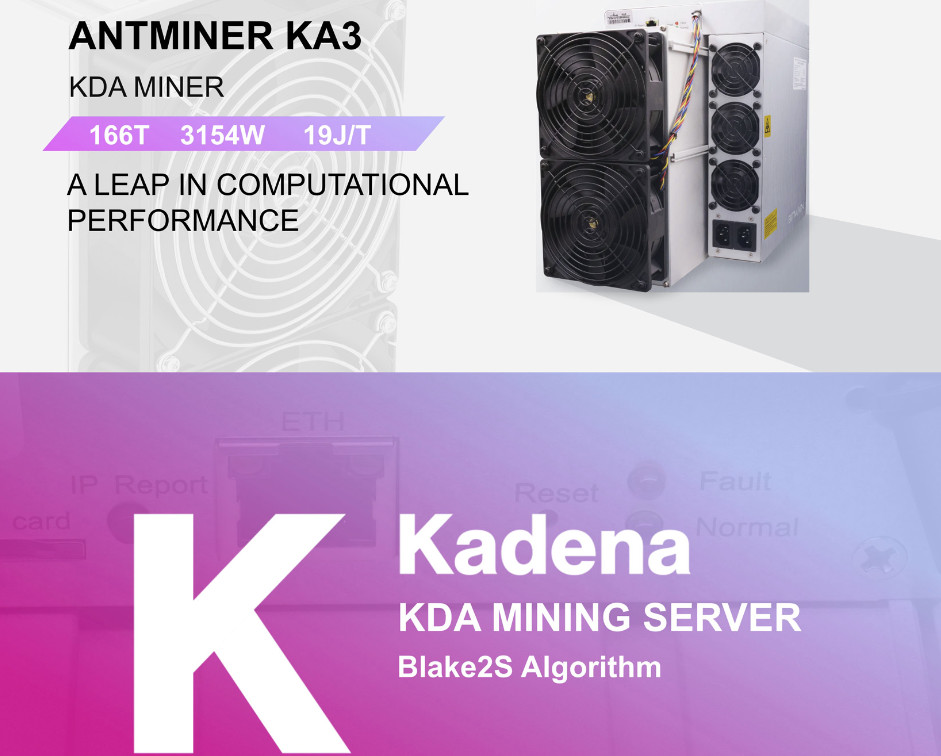
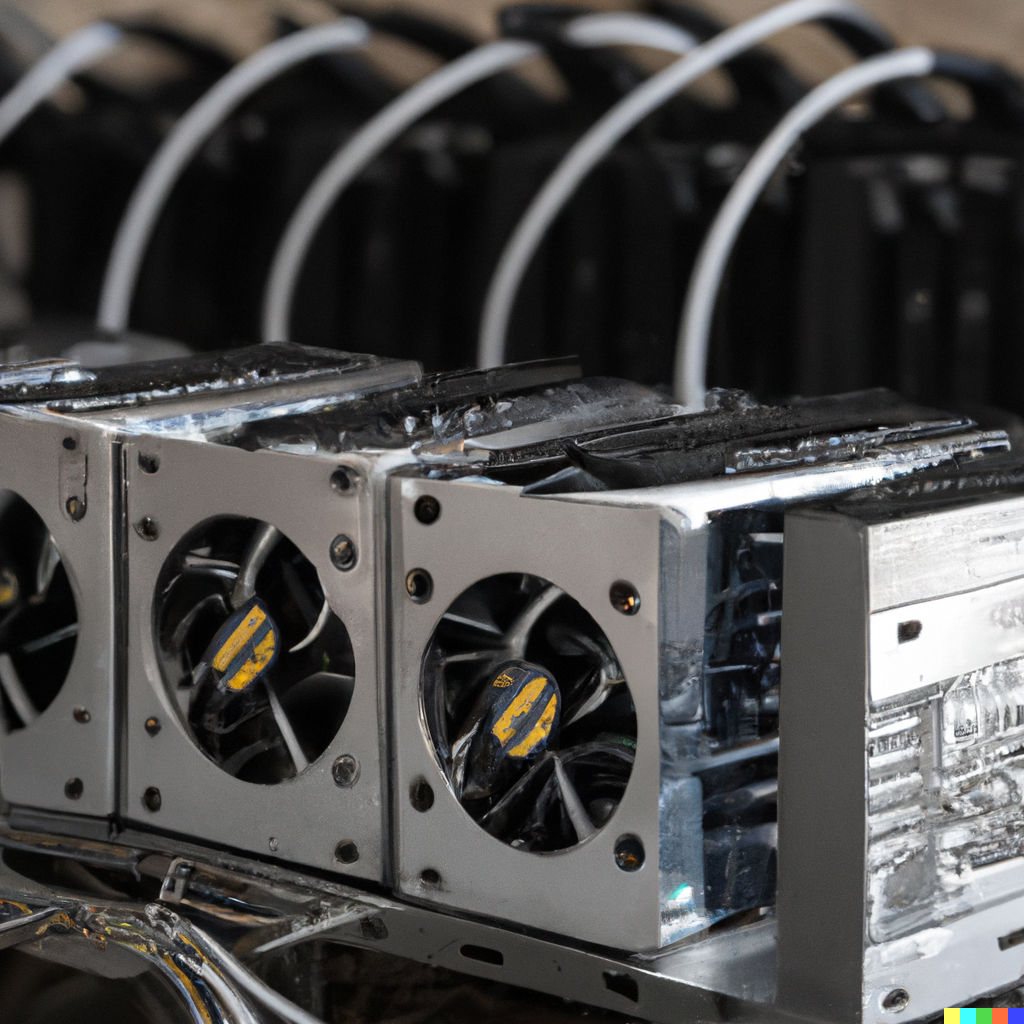
- ASIC Miners: Application-Specific Integrated Circuits (ASICs) are specialized hardware designed for mining, offering higher efficiency compared to traditional CPUs or GPUs.
- Mining Pools: Many miners join forces in mining pools to combine their computational power and share rewards, increasing their chances of earning bitcoins.
- Energy Consumption: Mining requires substantial energy, leading to discussions about its environmental impact. Solutions like renewable energy sources are being explored.
As the Bitcoin network grows, the difficulty of mining increases, requiring more advanced technology and greater energy resources. This has led to a competitive landscape where only the most efficient miners can thrive.
Market Implications of Bitcoin Mining
Bitcoin mining has significant implications for the cryptocurrency market:
- Price Volatility: Changes in mining difficulty and rewards can influence Bitcoin’s price. For instance, a recent rally saw shortsellers liquidated, highlighting the market’s volatility (Bitcoin Magazine).
- Regulatory Scrutiny: As Bitcoin mining grows, it attracts regulatory attention, especially concerning energy consumption and environmental impact. The recent discussions around stablecoins also reflect this trend (CoinDesk).
- Technological Advancements: Innovations in mining technology continue to emerge, affecting the efficiency and profitability of mining operations.
In conclusion, Bitcoin mining is a complex yet essential part of the cryptocurrency landscape. Understanding its mechanics, technological advancements, and market implications is crucial for anyone interested in the world of Bitcoin. For a deeper dive into related topics, check out the OneMiners article on the Formula OneMiners game guide.