
Bitcoin mining is a crucial process that underpins the entire Bitcoin network. It involves validating transactions and adding them to the blockchain, ensuring the integrity and security of the cryptocurrency. This article will delve into the mechanics of Bitcoin mining, the technology involved, and its implications for the future of digital currency.
What is Bitcoin Mining?
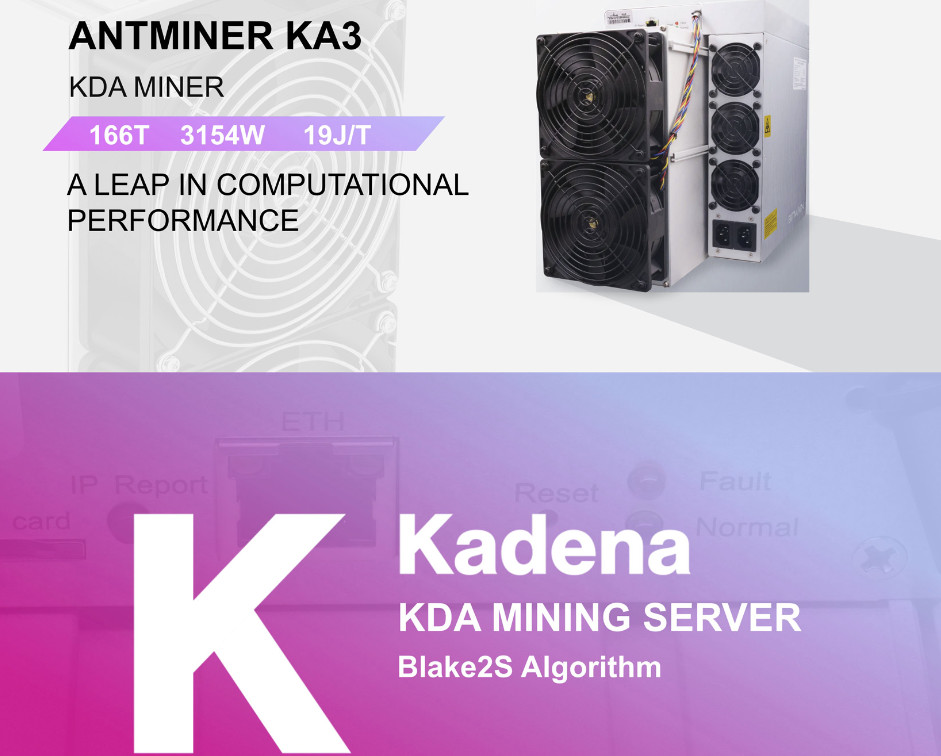
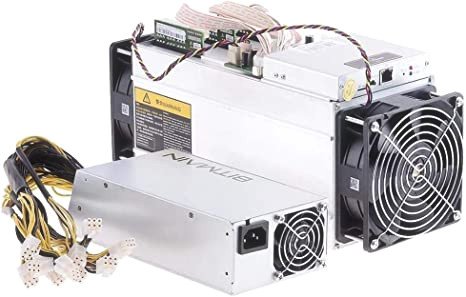
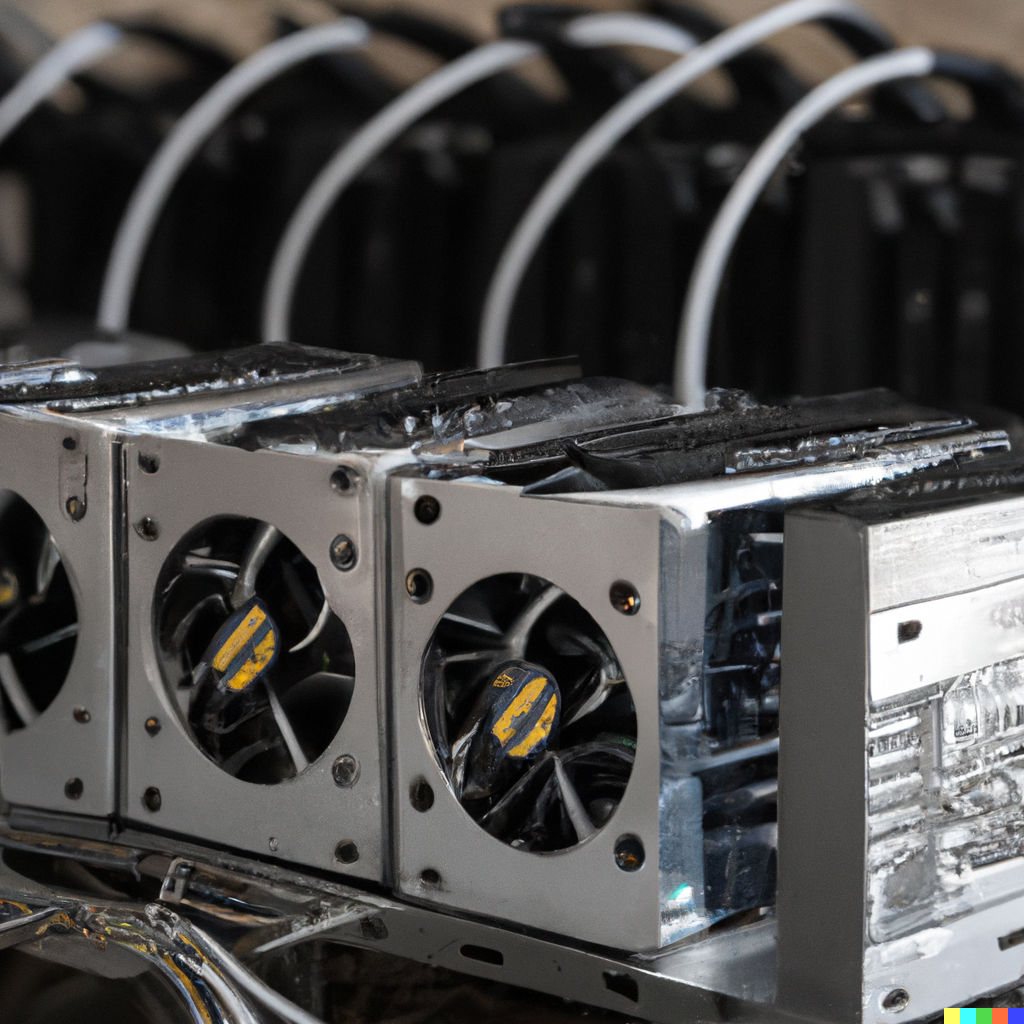
At its core, Bitcoin mining is the process of solving complex mathematical problems to validate transactions on the Bitcoin network. Miners use powerful computers, known as ASIC (Application-Specific Integrated Circuit) miners, to perform these calculations. When a miner successfully solves a problem, they add a new block to the blockchain and are rewarded with newly minted bitcoins.
The Mining Process
The mining process can be broken down into several key steps:
- Transaction Verification: Miners collect transactions from the Bitcoin network and verify their authenticity.
- Block Creation: Verified transactions are grouped into a block.
- Proof of Work: Miners compete to solve a cryptographic puzzle, known as the proof of work, which requires significant computational power.
- Block Addition: The first miner to solve the puzzle broadcasts their solution to the network, and if accepted, the new block is added to the blockchain.
- Reward Distribution: The miner receives a reward in the form of bitcoins for their efforts.

Technology Behind Bitcoin Mining
The technology used in Bitcoin mining has evolved significantly since the inception of Bitcoin. Initially, miners used standard CPUs, but as the network grew, so did the need for more efficient mining solutions. Today, ASIC miners dominate the landscape due to their superior processing power and energy efficiency.
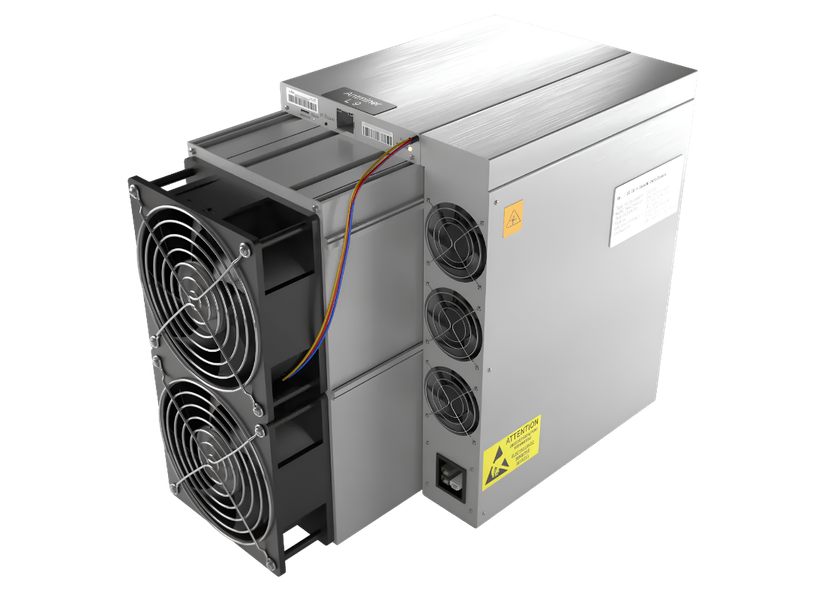
According to a recent article on OneMiners, the latest ASIC miners, such as the Antminer L9 and L11 Hydro, are designed for optimal performance in mining operations. These machines not only enhance mining efficiency but also reduce energy consumption, which is a critical factor given the environmental concerns surrounding Bitcoin mining.
Environmental Impact of Bitcoin Mining
Bitcoin mining has faced criticism for its environmental impact, primarily due to the high energy consumption associated with the process. Miners often rely on fossil fuels, which contributes to carbon emissions. However, there is a growing trend towards using renewable energy sources in mining operations.
For instance, some mining farms are now powered by solar or wind energy, significantly reducing their carbon footprint. This shift not only addresses environmental concerns but also helps miners cut costs in the long run.
The Future of Bitcoin Mining
The future of Bitcoin mining is likely to be shaped by several factors, including technological advancements, regulatory changes, and market dynamics. As the Bitcoin network matures, miners will need to adapt to evolving conditions.
Recent discussions around regulatory frameworks, such as those highlighted by CoinDesk, indicate that clearer regulations could impact mining operations. Miners may face new compliance requirements, which could influence their operational strategies.
Moreover, as Bitcoin becomes more mainstream, the competition among miners is expected to intensify. This could lead to further innovations in mining technology and efficiency, ensuring that miners remain competitive in a rapidly changing landscape.
Conclusion
Bitcoin mining is a complex yet fascinating process that plays a vital role in the cryptocurrency ecosystem. As technology continues to evolve and environmental concerns gain prominence, the future of mining will likely see significant changes. Staying informed about these developments is crucial for anyone interested in the world of Bitcoin and cryptocurrency.
Additional reading: Ukraine Busts Kyiv Crypto Drainer Ring Moving Up to $1M Monthly from Decrypt.