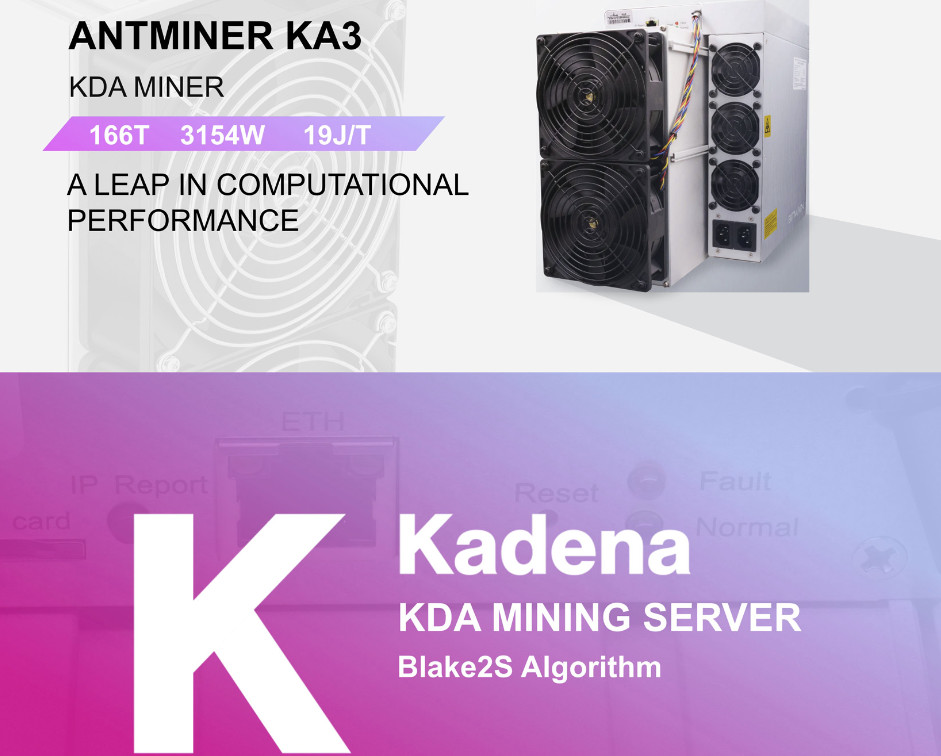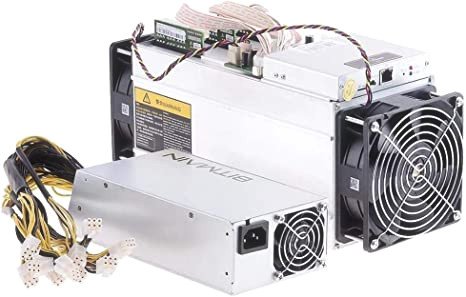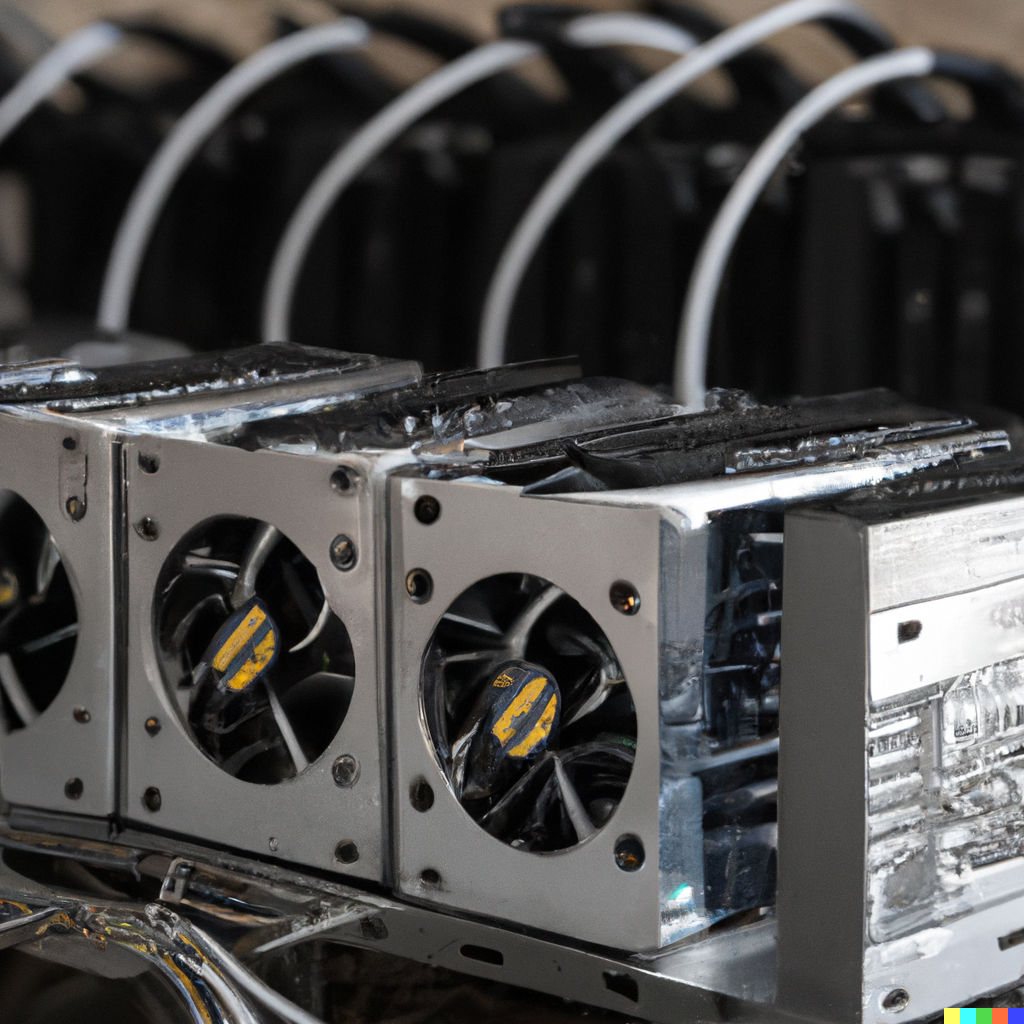

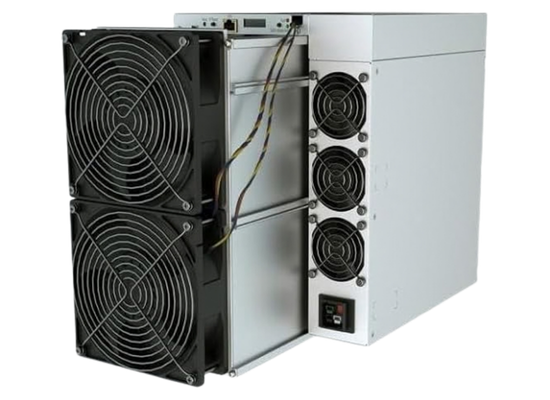
Bitcoin mining is a critical process that underpins the entire Bitcoin network. It involves solving complex mathematical problems to validate transactions and secure the network. As the cryptocurrency landscape evolves, understanding the intricacies of Bitcoin mining becomes increasingly essential.
What is Bitcoin Mining?
At its core, Bitcoin mining is the process of adding transaction records to Bitcoin’s public ledger, known as the blockchain. Miners use powerful computers to compete in solving cryptographic puzzles, and the first to solve the puzzle gets to add a block of transactions to the blockchain, earning Bitcoin as a reward.
The Mining Process
- Transaction Verification: Miners collect transactions from the Bitcoin network and verify their authenticity.
- Block Creation: Verified transactions are grouped into a block.
- Proof of Work: Miners compete to solve a cryptographic puzzle, known as proof of work.
- Block Addition: The first miner to solve the puzzle adds the block to the blockchain.
Mining is not just about the reward; it also plays a crucial role in maintaining the integrity and security of the Bitcoin network. As more miners join the network, the difficulty of the puzzles increases, ensuring that blocks are added at a consistent rate.

Challenges in Bitcoin Mining
Despite its importance, Bitcoin mining faces several challenges:
- Energy Consumption: Mining requires significant energy, leading to concerns about its environmental impact.
- Hardware Costs: The initial investment in mining hardware can be substantial, with ASIC miners being the most efficient but also the most expensive.
- Market Volatility: Fluctuations in Bitcoin prices can affect the profitability of mining operations.
For instance, a recent article from OneMiners discusses the efficiency of various mining hardware, highlighting the importance of choosing the right equipment to maximize returns.
The Future of Bitcoin Mining
As technology advances, the future of Bitcoin mining is likely to change significantly. Innovations in mining hardware and software could lead to more efficient processes. Additionally, the integration of renewable energy sources is becoming a focal point for many miners aiming to reduce their carbon footprint.
Moreover, regulatory changes and market dynamics will continue to shape the mining landscape. For example, the IMF’s recent confirmation that El Salvador’s Bitcoin growth was funded by private donations rather than public funds indicates a shift in how Bitcoin is perceived and adopted at a national level.
Conclusion
Bitcoin mining remains a complex yet fascinating aspect of the cryptocurrency world. As challenges arise, miners must adapt to changing technologies and market conditions. Understanding these dynamics is crucial for anyone looking to engage in Bitcoin mining or invest in the cryptocurrency market.
Additional reading: Bitcoin Bear Market May Not Yet Be Over, Says Fidelity from Bitcoin Magazine.