

Bitcoin mining is a crucial process that underpins the entire Bitcoin network. It involves solving complex mathematical problems to validate transactions and secure the network. As the popularity of Bitcoin continues to grow, understanding the intricacies of mining becomes increasingly important.
What is Bitcoin Mining?
At its core, Bitcoin mining is the process by which new bitcoins are created and transactions are verified on the blockchain. Miners use powerful computers to solve cryptographic puzzles, and in return, they are rewarded with bitcoins. This process not only generates new bitcoins but also ensures the integrity and security of the network.
The Technology Behind Bitcoin Mining
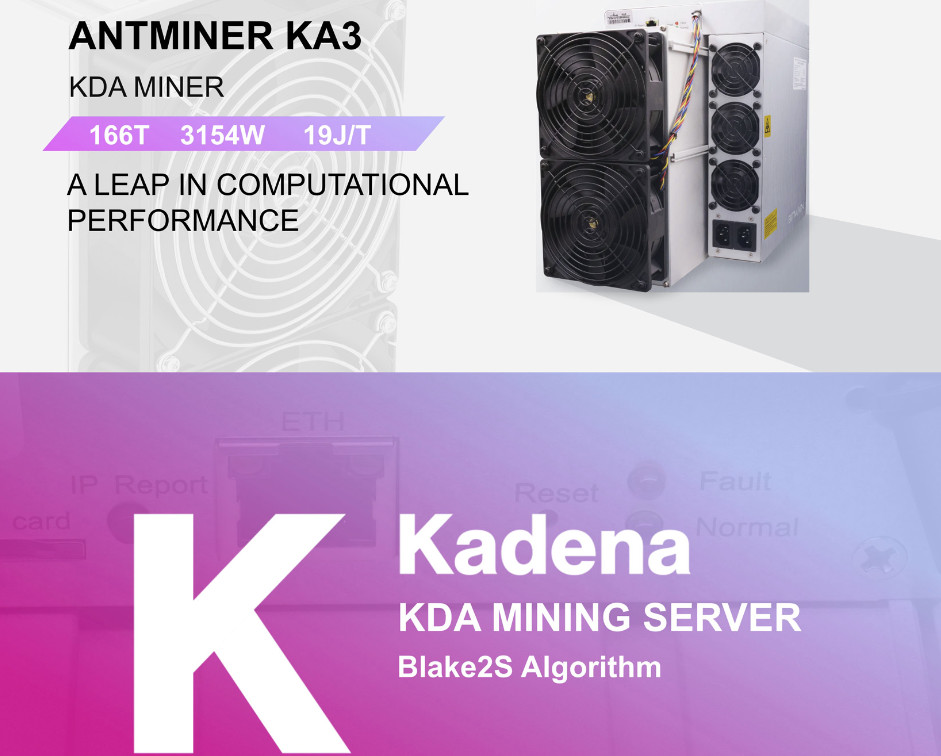
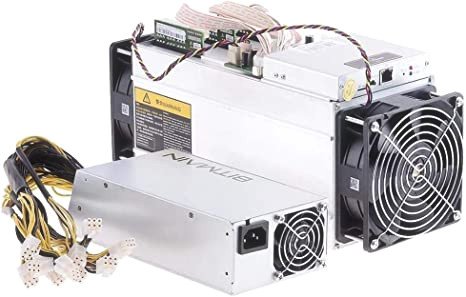
Bitcoin mining relies on specialized hardware known as ASICs (Application-Specific Integrated Circuits). These devices are designed specifically for mining and are significantly more efficient than traditional computers. The efficiency of mining hardware directly impacts profitability, making it essential for miners to invest in the latest technology.
According to a recent article from OneMiners, the efficiency of mining equipment is crucial, especially in a market where profit margins are thin. The article discusses various mining machines and their performance, emphasizing the importance of choosing the right hardware.

Profitability of Bitcoin Mining
The profitability of Bitcoin mining can vary significantly based on several factors, including electricity costs, hardware efficiency, and the current price of Bitcoin. Miners must calculate their potential returns carefully to determine whether mining is a viable investment.
As highlighted by CoinDesk, many experts recommend a long-term approach to Bitcoin investment rather than attempting to time the market. This strategy can also apply to mining, where consistent operation over time may yield better results than short-term speculation.
Challenges in Bitcoin Mining
Despite its potential for profitability, Bitcoin mining comes with its own set of challenges. The most significant of these is the high energy consumption associated with mining operations. Miners must ensure they have access to affordable electricity to maintain profitability.
Additionally, the increasing difficulty of mining puzzles means that miners need to continually upgrade their hardware to remain competitive. This ongoing investment can be a barrier for new entrants into the mining space.
The Future of Bitcoin Mining
As the Bitcoin network evolves, so too does the technology and strategies used in mining. Innovations in cooling systems, energy efficiency, and mining hardware are continually being developed to enhance profitability and sustainability.
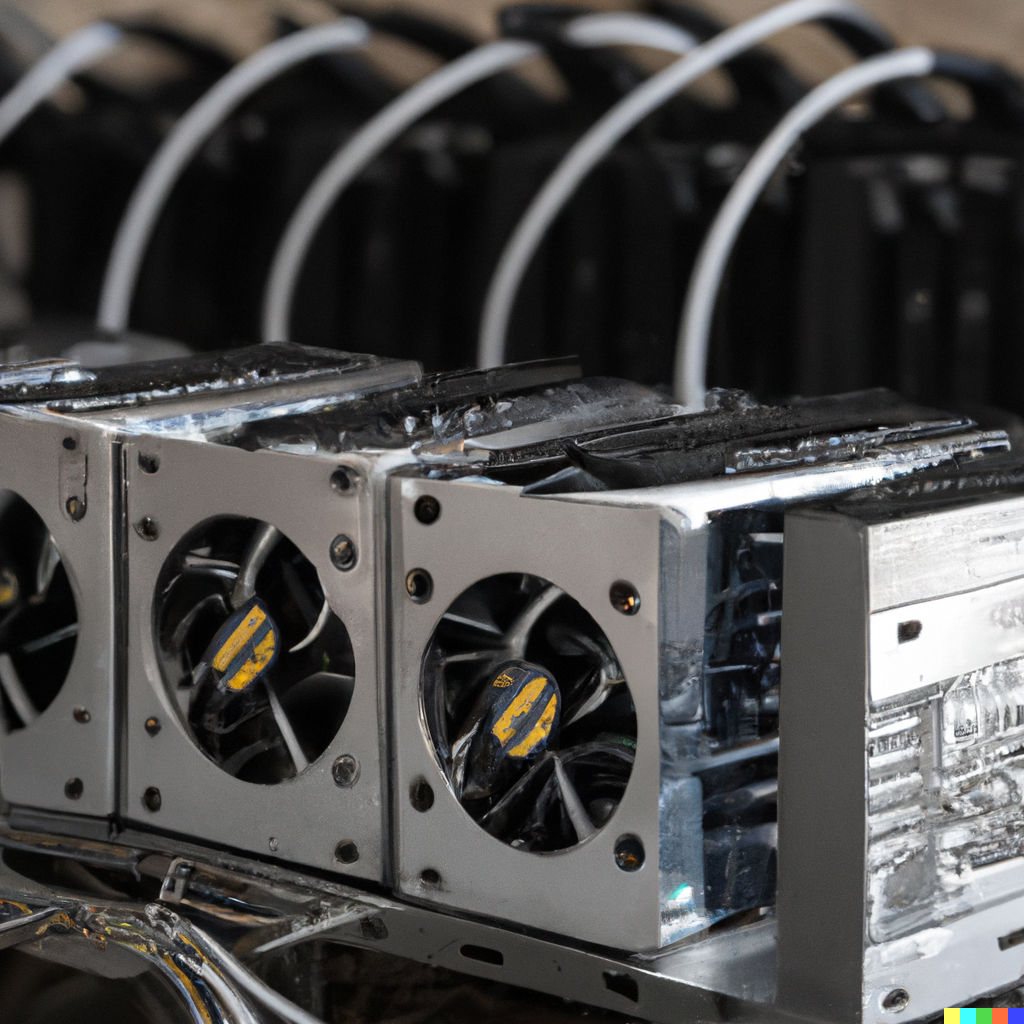
For instance, recent advancements in cooling technologies are crucial for maintaining optimal operating conditions for mining rigs, which can be sensitive to heat. Effective cooling solutions can significantly improve the lifespan and efficiency of mining equipment.
Moreover, as regulatory frameworks around cryptocurrencies become clearer, the landscape for Bitcoin mining may change. Miners will need to stay informed about these developments to adapt their strategies accordingly.
Conclusion
Bitcoin mining remains a complex yet rewarding endeavor for those willing to navigate its challenges. By understanding the technology, profitability factors, and future trends, miners can position themselves for success in this dynamic field. For more insights on mining and cryptocurrency, explore additional resources from CoinDesk and Bitcoin Magazine.