

Bitcoin mining is a crucial process that underpins the entire Bitcoin network. It involves validating transactions and adding them to the blockchain, ensuring the integrity and security of the cryptocurrency. As the demand for Bitcoin continues to rise, understanding the nuances of mining becomes increasingly important.
What is Bitcoin Mining?
At its core, Bitcoin mining is the process by which new bitcoins are created and transactions are verified. Miners use powerful computers to solve complex mathematical problems that validate transactions on the Bitcoin network. Once a problem is solved, the miner adds a new block to the blockchain and is rewarded with newly minted bitcoins.
The Role of Mining Hardware
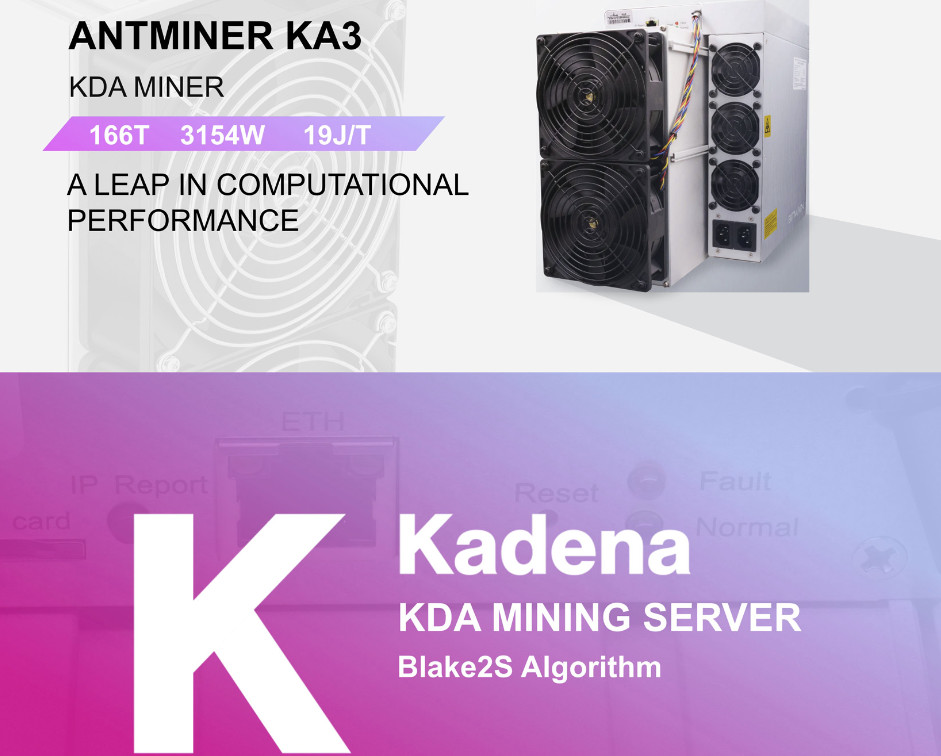
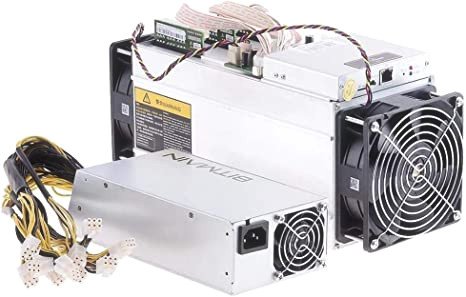
Mining hardware has evolved significantly over the years. Initially, miners used standard CPUs, but as competition increased, more specialized equipment was developed. Today, ASIC (Application-Specific Integrated Circuit) miners dominate the market, offering unparalleled efficiency and processing power.
Recent developments indicate that companies like Bitmain are continually innovating in this space. For instance, the anticipated Antminer X9 has faced delays, raising questions about its future and the implications for miners relying on older models.

Market Trends and Challenges
The Bitcoin mining landscape is not without its challenges. Factors such as regulatory pressures, energy costs, and market volatility can significantly impact profitability. For example, recent reports suggest that Bitcoin has managed to hold onto its gains despite a turbulent market, as noted by CoinDesk.
Energy Consumption and Sustainability
One of the most pressing issues surrounding Bitcoin mining is its energy consumption. Critics argue that the environmental impact of mining operations is unsustainable. However, many miners are exploring renewable energy sources to mitigate this concern. The shift towards greener practices is essential for the long-term viability of the industry.
Future of Bitcoin Mining
As the Bitcoin network evolves, so too will the mining process. Innovations in hardware, software, and energy efficiency are expected to shape the future of mining. Additionally, regulatory frameworks are likely to become more defined, impacting how mining operations are conducted.
For those interested in the latest developments in the cryptocurrency space, platforms like Bitcoin Magazine provide valuable insights into security and operational challenges faced by miners.
Conclusion
Bitcoin mining remains a dynamic and evolving field. Understanding its complexities is essential for anyone looking to engage with cryptocurrency. As technology advances and market conditions change, staying informed will be key to navigating this exciting landscape.