

Bitcoin mining is a crucial component of the cryptocurrency ecosystem, serving as the process through which new bitcoins are generated and transactions are verified on the blockchain. This article delves into the intricacies of Bitcoin mining, its economic implications, and future trends.
What is Bitcoin Mining?
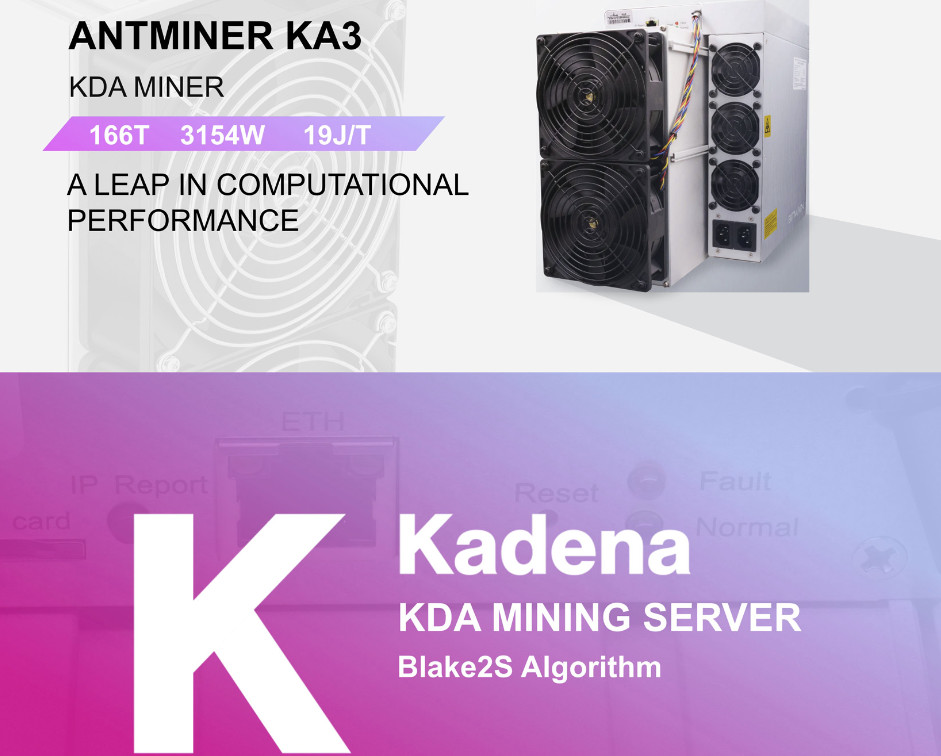
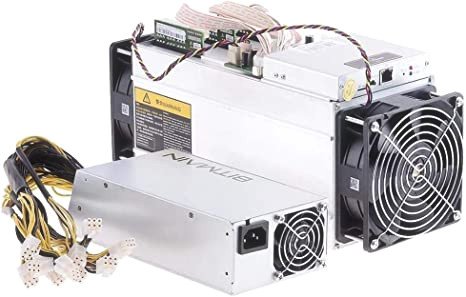
At its core, Bitcoin mining involves solving complex mathematical problems to validate transactions and add them to the blockchain. Miners use powerful computers, often referred to as ASICs (Application-Specific Integrated Circuits), to perform these calculations. The first miner to solve the problem gets to add a new block to the blockchain and is rewarded with newly minted bitcoins.
The Importance of Mining in the Bitcoin Network
Mining is essential for maintaining the integrity and security of the Bitcoin network. It prevents double-spending and ensures that all transactions are legitimate. As more miners join the network, the difficulty of mining increases, which helps to regulate the supply of new bitcoins.
Economic Impact of Bitcoin Mining
The economic implications of Bitcoin mining are significant. It not only creates new bitcoins but also stimulates job creation and technological advancements. According to a report by OneMiners, the demand for mining equipment and energy resources has surged, leading to investments in infrastructure and technology.
Energy Consumption and Environmental Concerns
One of the most debated aspects of Bitcoin mining is its energy consumption. Mining operations require substantial electricity, often leading to concerns about their environmental impact. Various studies have highlighted the carbon footprint associated with mining, prompting discussions about sustainable practices within the industry.

Technological Advancements in Mining
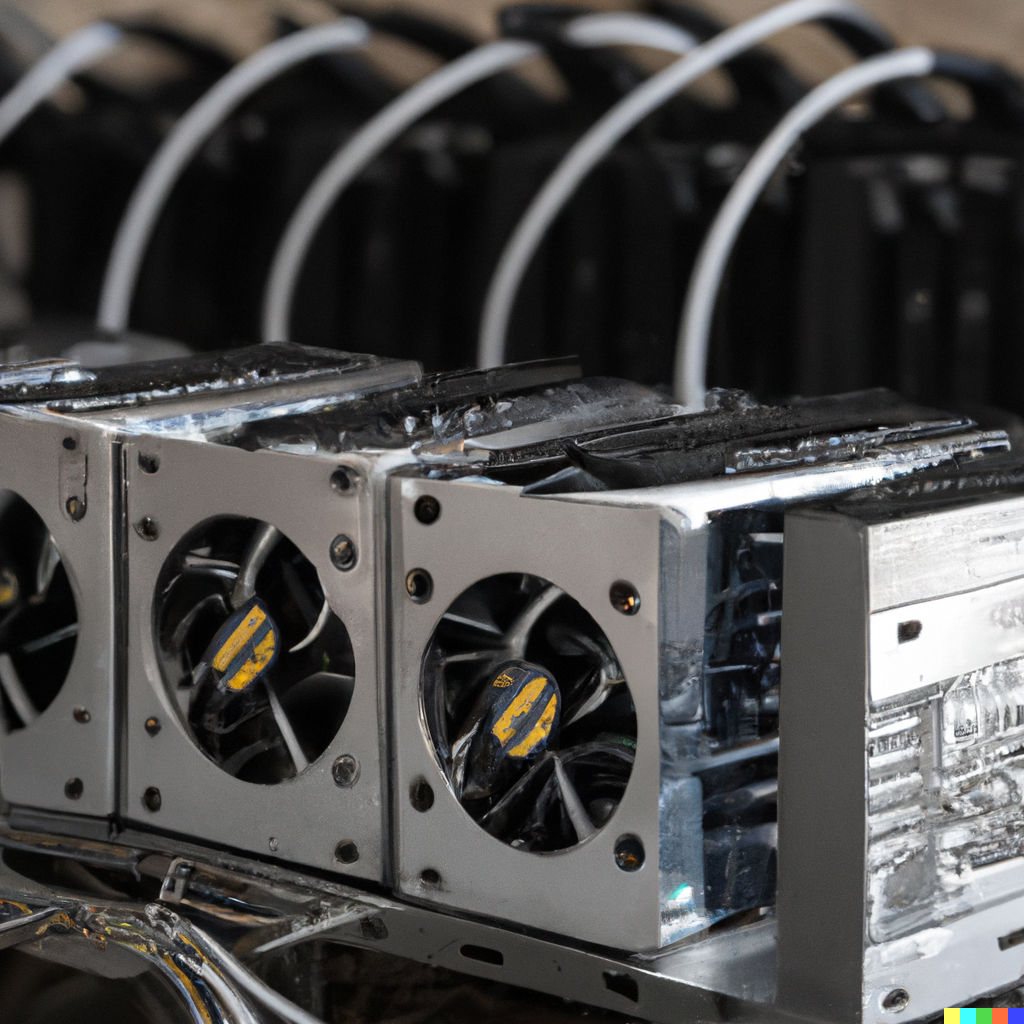
As the Bitcoin network evolves, so does the technology behind mining. Innovations in mining hardware and software are continuously being developed to improve efficiency and reduce costs. For instance, advancements in cooling systems and energy-efficient ASICs are becoming increasingly common.
Future Trends in Bitcoin Mining
Looking ahead, several trends are shaping the future of Bitcoin mining:
- Decentralization: As more individuals and companies enter the mining space, the network is becoming increasingly decentralized.
- Regulatory Developments: Governments are beginning to implement regulations regarding mining operations, particularly concerning energy usage and taxation. A recent CoinDesk article discusses proposed tax legislation that could impact miners.
- Integration with Renewable Energy: Many mining operations are exploring renewable energy sources to mitigate environmental concerns and reduce costs.
Conclusion
Bitcoin mining plays a vital role in the cryptocurrency ecosystem, influencing economic trends and technological advancements. As the industry continues to evolve, understanding the implications of mining will be crucial for stakeholders and enthusiasts alike. For more insights on the intersection of cryptocurrency and finance, check out the Bitcoin Magazine.