

Bitcoin mining is a critical component of the cryptocurrency ecosystem, enabling transactions and securing the network. As the demand for Bitcoin grows, so does the complexity and competition within the mining sector.
What is Bitcoin Mining?
Bitcoin mining involves validating transactions on the Bitcoin network and adding them to the blockchain. Miners use powerful computers to solve complex mathematical problems, and in return, they are rewarded with newly minted bitcoins.
The Mining Process
- Transaction Validation: Miners collect transactions from the Bitcoin network and verify their authenticity.
- Solving Cryptographic Puzzles: Miners compete to solve a cryptographic puzzle, which requires significant computational power.
- Block Creation: The first miner to solve the puzzle creates a new block and adds it to the blockchain.
- Reward Distribution: The successful miner receives a block reward, which currently stands at 6.25 bitcoins, along with transaction fees.
Challenges in Bitcoin Mining
Despite its lucrative potential, Bitcoin mining faces several challenges:
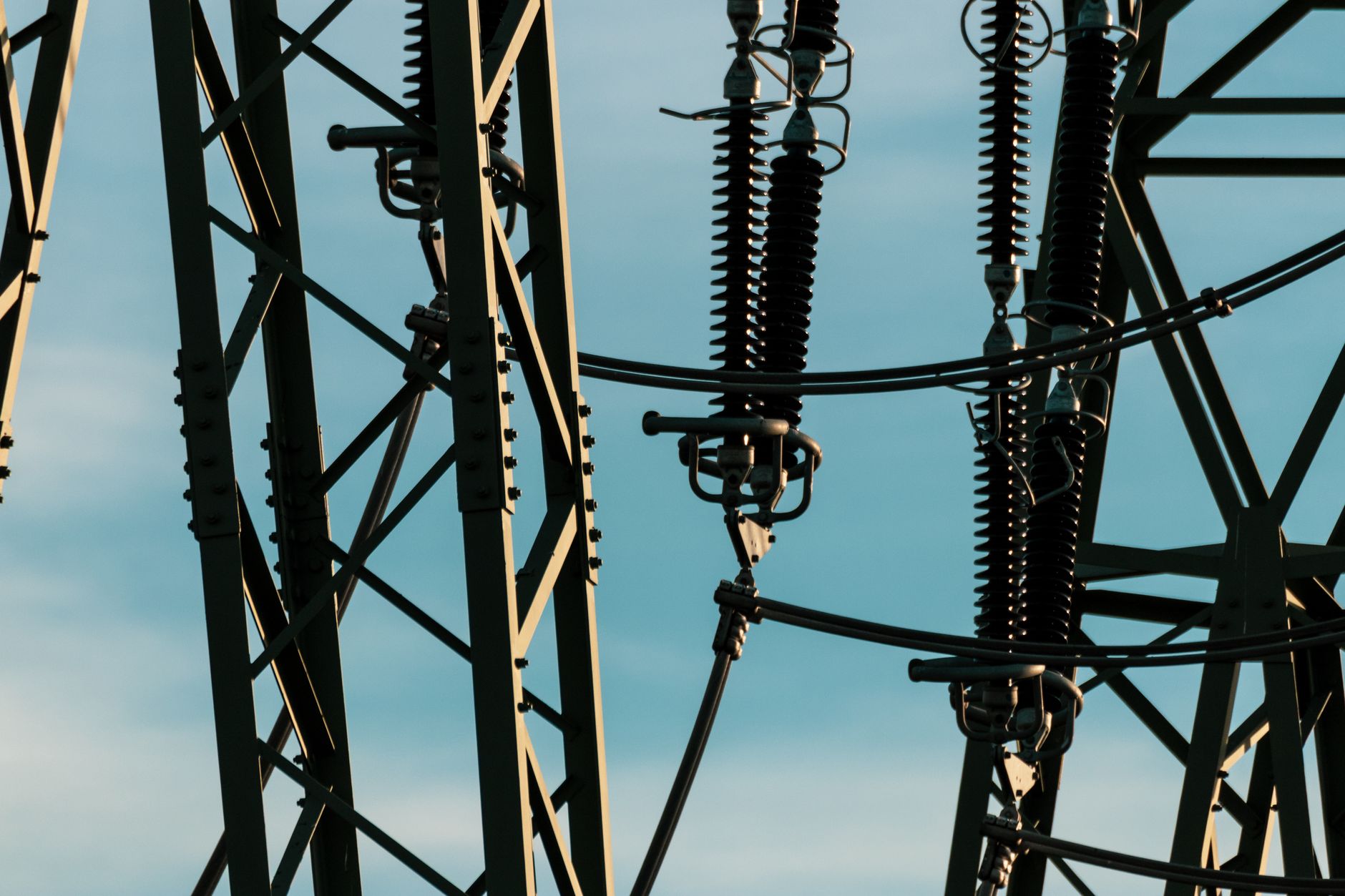
- High Energy Consumption: Mining requires substantial electricity, leading to concerns about environmental impact. Recent reports indicate that Bitcoin mining consumes more energy than some countries.
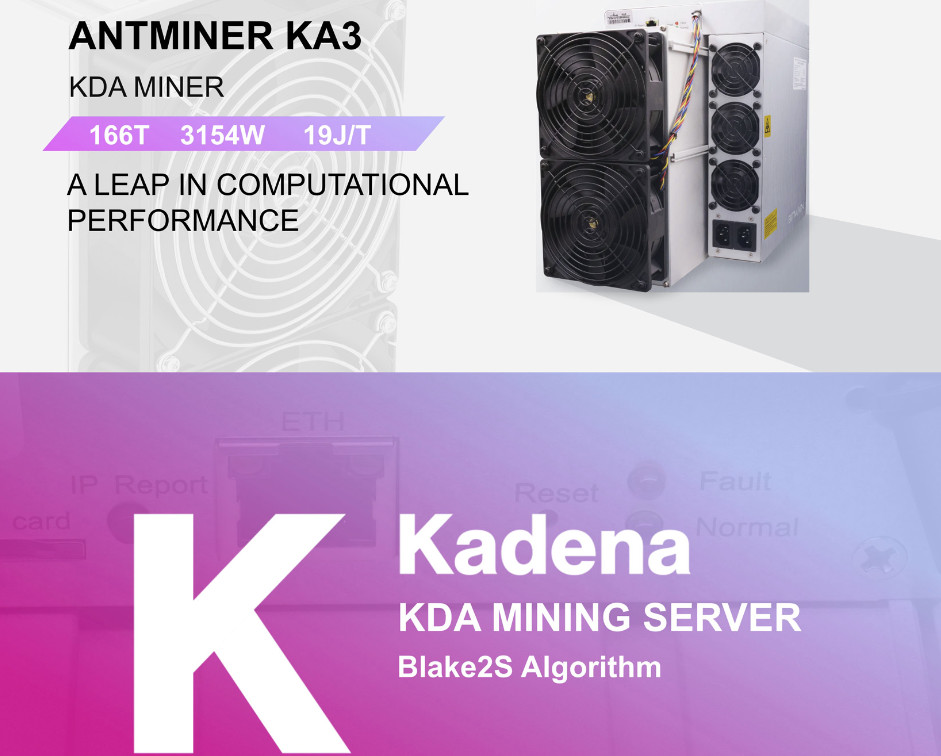
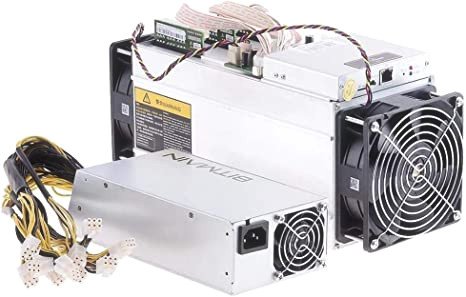
- Hardware Costs: The initial investment in mining hardware, such as ASIC miners, can be significant. For instance, the Antminer X9 was recently shelved, impacting many miners’ strategies.
- Market Volatility: The value of Bitcoin can fluctuate dramatically, affecting miners’ profitability. As noted by CoinDesk, recent security breaches have also raised concerns.
Technological Advancements in Mining
As the mining landscape evolves, new technologies are emerging to enhance efficiency:
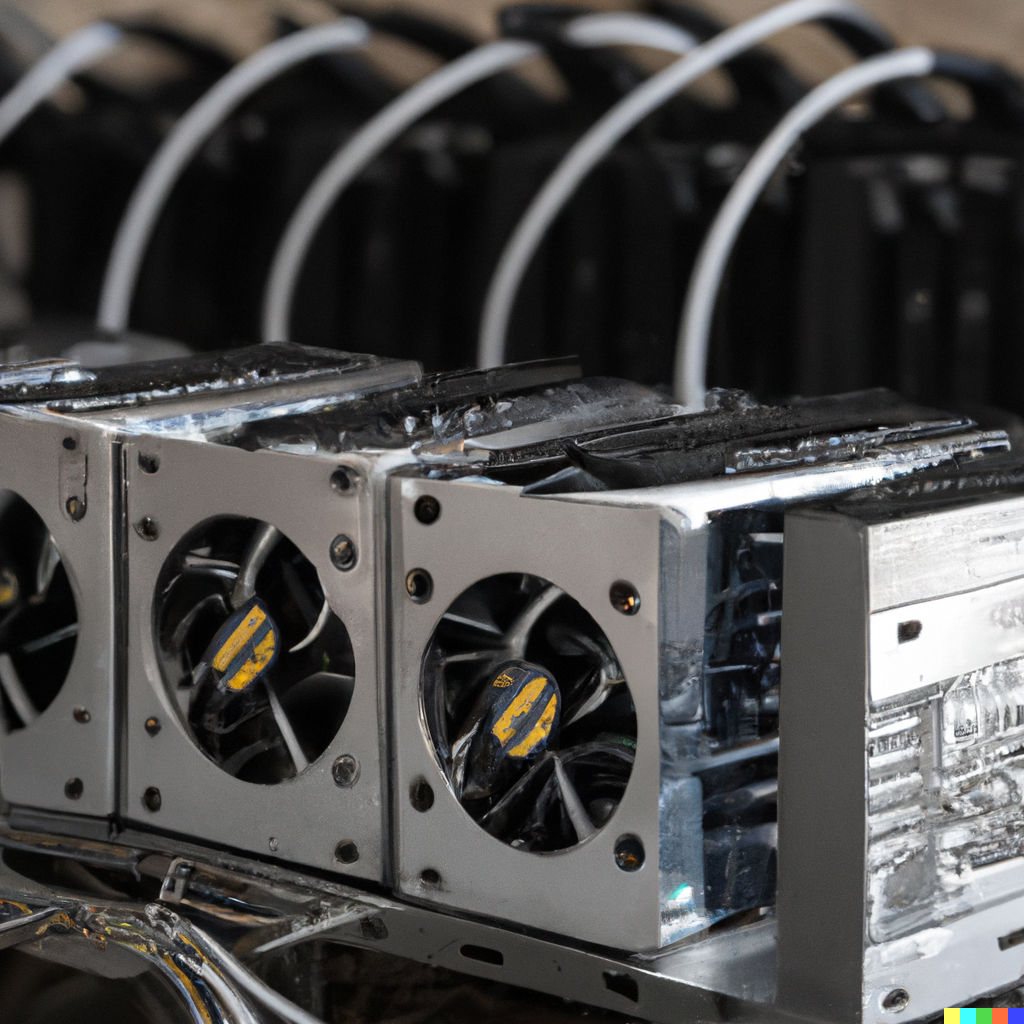
- ASIC Miners: Application-Specific Integrated Circuits (ASICs) are designed specifically for mining, offering superior performance compared to traditional GPUs.
- Cloud Mining: This allows individuals to rent mining power from remote data centers, reducing the need for personal hardware.
- Renewable Energy Sources: Many miners are exploring renewable energy options to mitigate costs and environmental impact.
The Future of Bitcoin Mining
The future of Bitcoin mining is uncertain but promising. As regulations tighten and technology advances, miners will need to adapt to remain competitive. Experts suggest diversifying mining operations and exploring new markets, as highlighted by Bitcoin Magazine.
Conclusion
Bitcoin mining is a complex yet fascinating field that continues to evolve. Understanding its intricacies, challenges, and future trends is essential for anyone looking to enter the cryptocurrency space. By staying informed and adapting to changes, miners can navigate this dynamic landscape effectively.