

Bitcoin mining is a crucial component of the cryptocurrency ecosystem, serving as the backbone that validates transactions and secures the network. In this article, we will explore the intricacies of Bitcoin mining, its significance, and the challenges it faces in the evolving digital landscape.
What is Bitcoin Mining?
At its core, Bitcoin mining involves solving complex mathematical problems to validate transactions on the Bitcoin network. Miners use powerful computers to compete in solving these problems, and the first one to succeed gets to add a new block to the blockchain. This process is known as proof of work, which not only secures the network but also introduces new bitcoins into circulation.
According to OneMiners, proof of work is essential for preventing double-spending and ensuring the integrity of Bitcoin’s transaction history. The cost of rewriting Bitcoin’s history is significant, making it a secure and reliable system.
The Role of Miners
Miners play a vital role in maintaining the Bitcoin network. They validate transactions, secure the network against attacks, and ensure that the decentralized nature of Bitcoin is upheld. As the network grows, the difficulty of mining increases, requiring more advanced hardware and greater energy consumption.
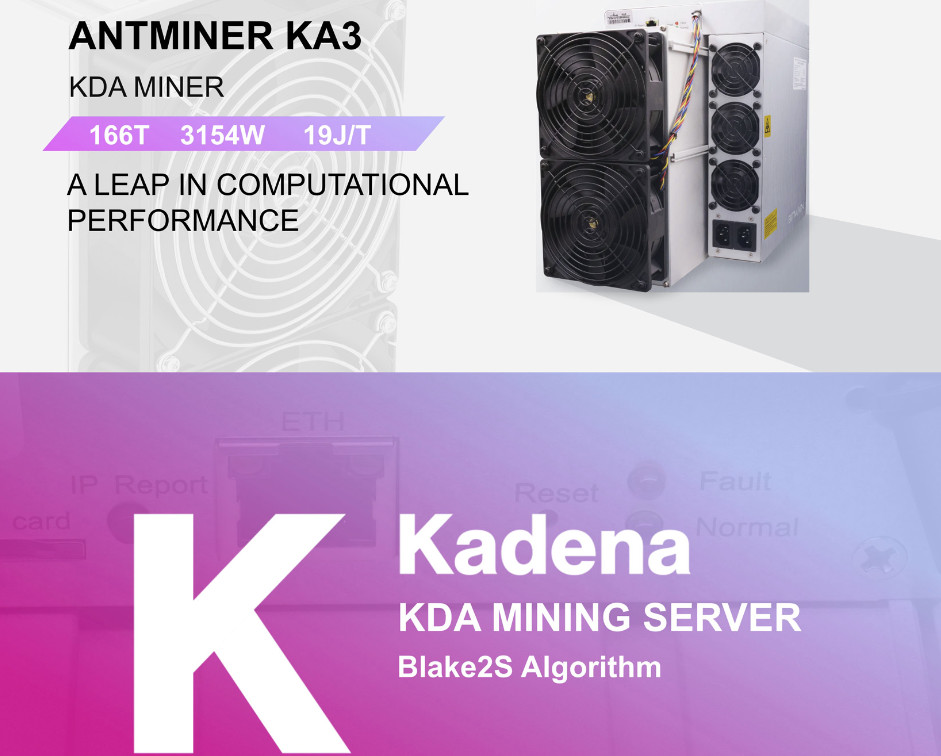
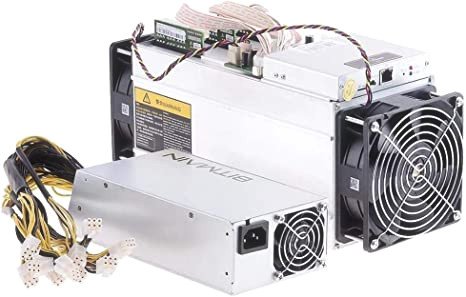
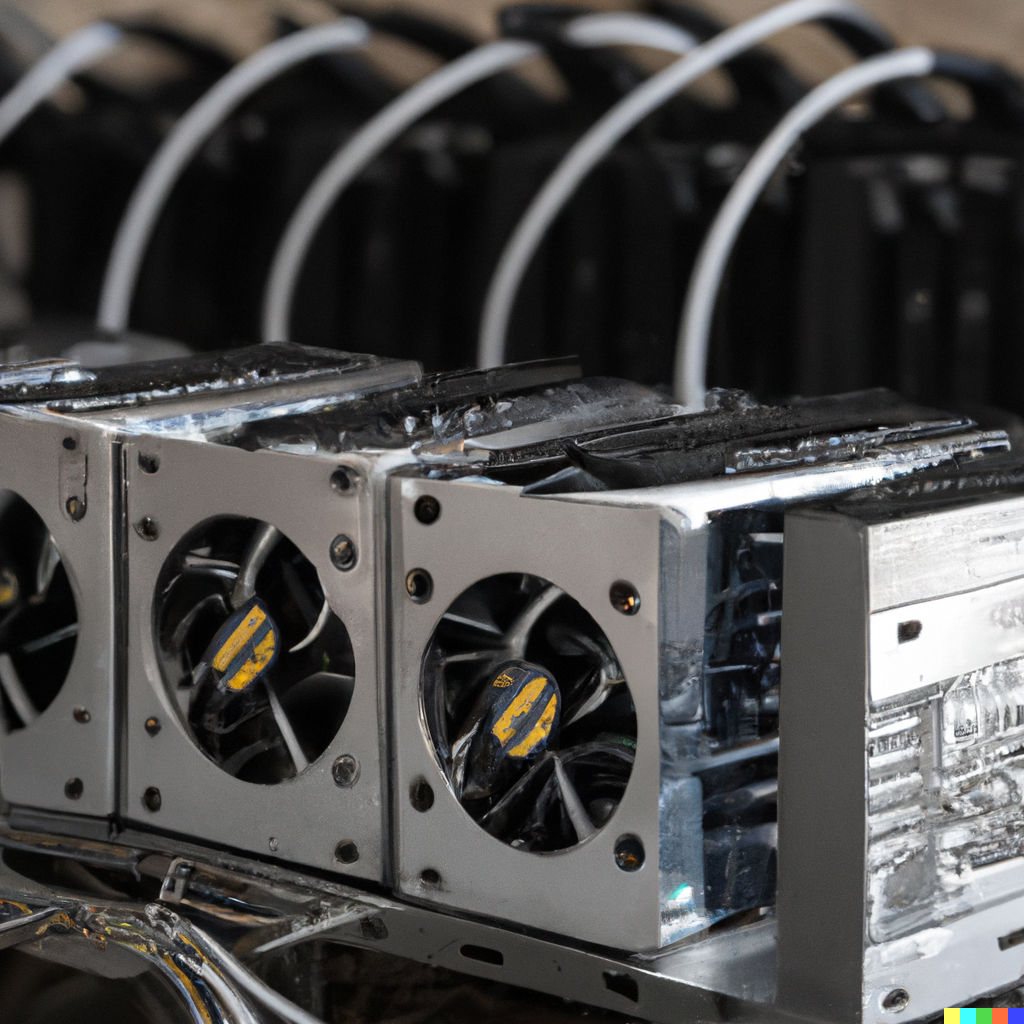
Mining operations often rely on specialized hardware known as ASICs (Application-Specific Integrated Circuits), which are designed specifically for mining cryptocurrencies. These machines are more efficient than traditional computers, allowing miners to compete effectively in the race to solve mathematical problems.

Challenges Facing Bitcoin Mining
Despite its importance, Bitcoin mining faces several challenges:
- Energy Consumption: Mining requires significant amounts of electricity, leading to concerns about its environmental impact. Many miners are now seeking renewable energy sources to mitigate this issue.
- Regulatory Scrutiny: As cryptocurrencies gain popularity, governments are increasingly scrutinizing mining operations. Regulations can vary widely by region, affecting the viability of mining in certain areas.
- Market Volatility: The profitability of mining is closely tied to the price of Bitcoin. Fluctuations in market value can impact miners’ returns on investment.
Recent reports from CoinDesk indicate that while Bitcoin and ether liquidity have improved, altcoins still face significant risks, highlighting the volatile nature of the cryptocurrency market.
The Future of Bitcoin Mining
The future of Bitcoin mining is likely to be shaped by technological advancements and regulatory developments. Innovations in mining hardware and software could lead to more efficient mining processes, reducing energy consumption and costs.
Moreover, as the demand for Bitcoin continues to grow, miners may explore new markets and opportunities. For instance, the rise of tokenized commodities, as discussed in another CoinDesk article, suggests that the intersection of traditional assets and cryptocurrencies could open new avenues for miners.
Additional reading: Bitcoin Life Insurer Meanwhile Raises $37.5M as Wealthy Families Look to Pass On Their BTC from Bitcoin Magazine.
Conclusion
Bitcoin mining remains a fundamental aspect of the cryptocurrency ecosystem, ensuring the security and integrity of transactions. While it faces challenges such as energy consumption and regulatory scrutiny, the future holds promise with advancements in technology and potential new markets. As the landscape evolves, miners will need to adapt to remain competitive and sustainable.