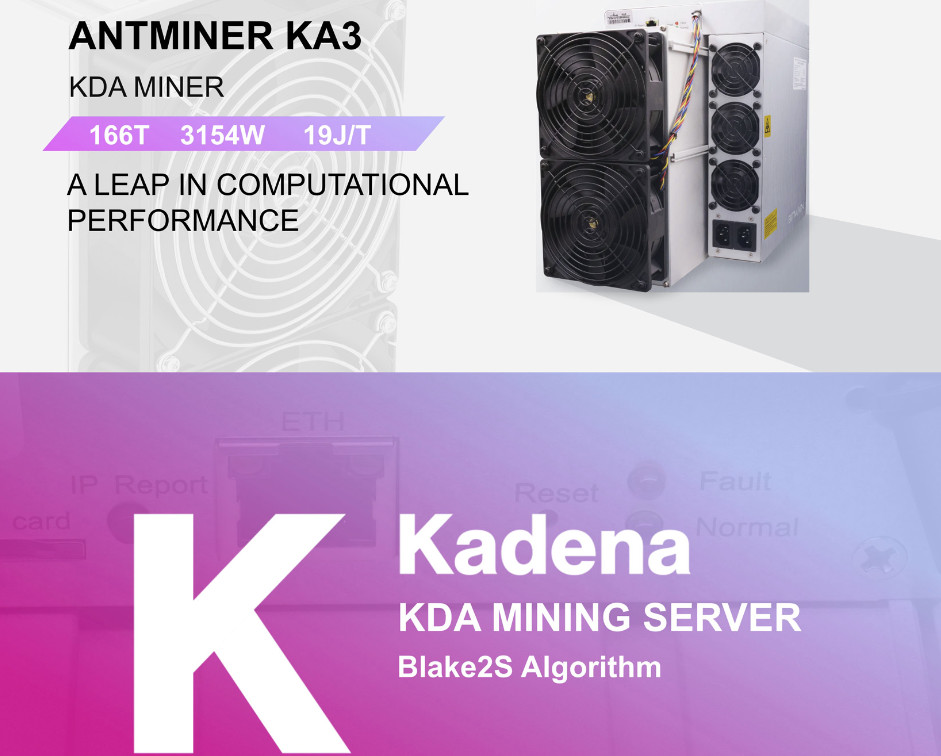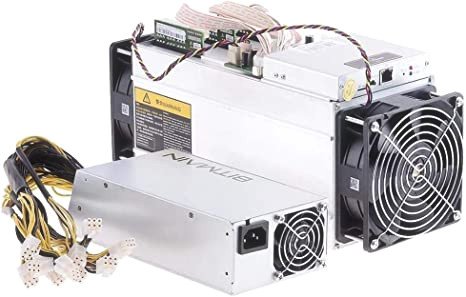


Bitcoin mining is a crucial process that underpins the entire cryptocurrency ecosystem. It involves solving complex mathematical problems to validate transactions and add them to the blockchain. This process not only secures the network but also introduces new bitcoins into circulation.
What is Bitcoin Mining?
At its core, Bitcoin mining is the process of validating and recording transactions on the Bitcoin blockchain. Miners use powerful computers to solve cryptographic puzzles, and the first one to solve the puzzle gets to add a new block to the blockchain. In return, they receive a reward in the form of newly minted bitcoins.
This process is known as proof of work, which ensures that the network remains secure and prevents double-spending. The more computational power a miner has, the higher their chances of solving the puzzle first and earning rewards.
The Importance of Miners
Miners play a vital role in maintaining the integrity of the Bitcoin network. They validate transactions and ensure that all participants in the network agree on the state of the blockchain. Without miners, the network would be vulnerable to attacks and fraud.
According to a recent article by OneMiners, the proof of work mechanism not only secures the network but also makes it economically impractical to alter transaction history, thus preserving the trustworthiness of Bitcoin.

Challenges Faced by Bitcoin Miners
Despite its importance, Bitcoin mining is not without challenges. One of the most significant issues is the high energy consumption associated with the process. Mining operations require substantial amounts of electricity, leading to concerns about environmental impact.
Moreover, the increasing difficulty of mining puzzles means that miners need to invest in more advanced and expensive hardware to remain competitive. This has led to a concentration of mining power in regions with cheap electricity, often resulting in centralization risks.
As highlighted by CoinDesk, regulatory challenges are also emerging as governments around the world grapple with how to manage the energy consumption and environmental impact of mining.
The Future of Bitcoin Mining
Looking ahead, the future of Bitcoin mining is likely to be shaped by technological advancements and regulatory developments. Innovations in energy-efficient mining hardware and renewable energy sources could help mitigate environmental concerns.
Additionally, as the Bitcoin network matures, the rewards for mining will decrease, making it essential for miners to find ways to operate more efficiently. The rise of mining pools, where miners combine their resources to increase their chances of earning rewards, is one such adaptation.
In conclusion, Bitcoin mining is a fundamental aspect of the cryptocurrency landscape. While it faces several challenges, including energy consumption and regulatory scrutiny, ongoing innovations and adaptations will likely shape its future. For more insights into the intricacies of Bitcoin mining, check out the detailed analysis on OneMiners.
Additional reading: Bitcoin Life Insurer Meanwhile Raises $37.5M as Wealthy Families Look to Pass On Their BTC from Bitcoin Magazine.