

Bitcoin mining is a critical component of the cryptocurrency ecosystem, serving as the backbone that validates transactions and secures the network. As the demand for Bitcoin continues to grow, understanding the intricacies of mining becomes increasingly important.
What is Bitcoin Mining?
At its core, Bitcoin mining involves solving complex mathematical problems to add new blocks to the blockchain. Miners use powerful computers to compete in this process, and the first to solve the problem gets to add the block and is rewarded with newly minted Bitcoin.
How Does Mining Work?
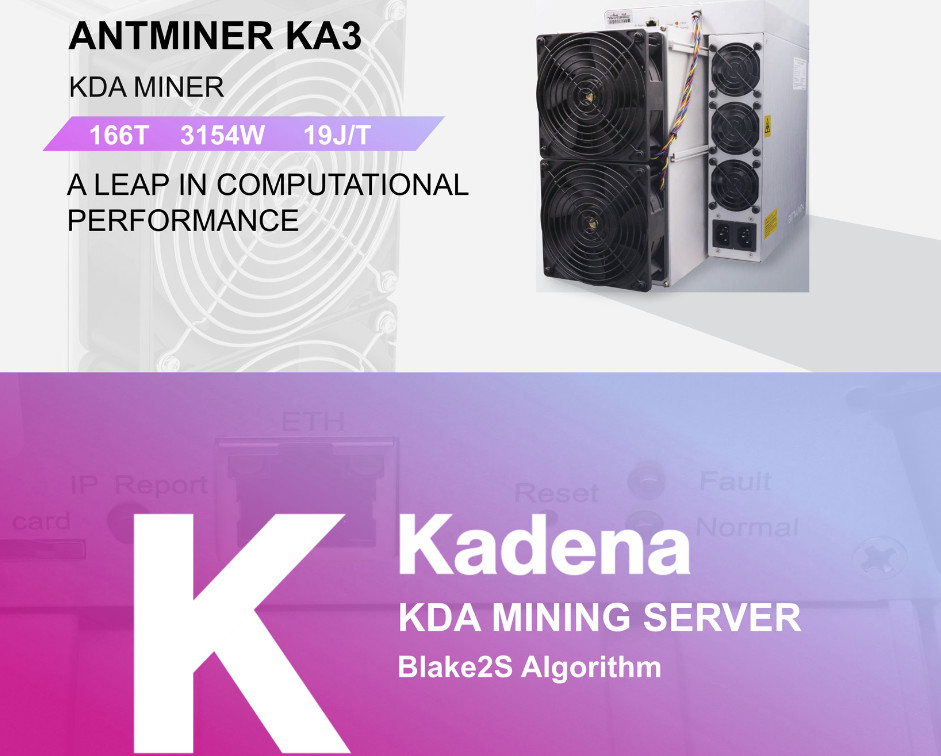
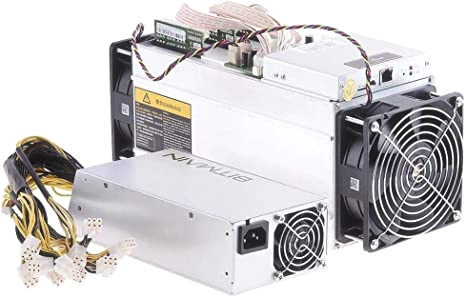
Mining requires significant computational power and energy. Miners utilize specialized hardware known as ASICs (Application-Specific Integrated Circuits) to maximize efficiency. The process also involves:
- Hashing: Miners must find a hash that meets certain criteria, which is a computationally intensive task.
- Difficulty Adjustment: The Bitcoin network adjusts the difficulty of mining approximately every two weeks to ensure that blocks are added roughly every ten minutes.
- Rewards: Miners receive Bitcoin as a reward for their efforts, which decreases over time in an event known as the halving.

Types of Bitcoin Miners
There are various types of miners, each with its own advantages and disadvantages:
- ASIC Miners: These are the most efficient and powerful miners available today, specifically designed for Bitcoin mining.
- GPU Miners: While less efficient than ASICs, GPU miners are versatile and can mine various cryptocurrencies.
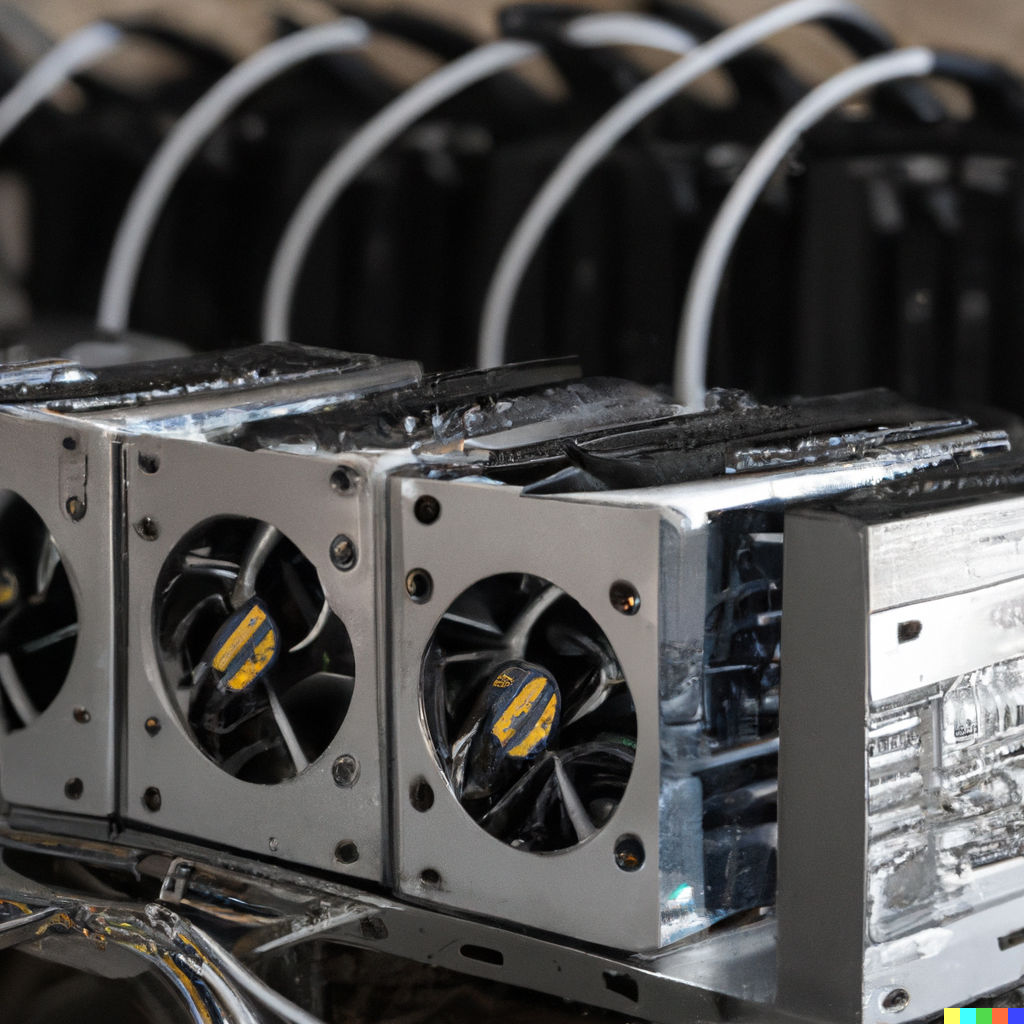
- Hydro-Cooled Miners: As highlighted in a recent article by OneMiners, hydro-cooled miners offer improved efficiency and cooling, making them a popular choice for large operations.
The Future of Bitcoin Mining
The landscape of Bitcoin mining is constantly evolving. Factors such as regulatory changes, technological advancements, and market dynamics play crucial roles in shaping its future. For instance, the recent departure of the White House’s crypto chief, as reported by CoinDesk, may influence regulatory frameworks affecting miners.
Challenges Faced by Miners
Despite its potential, Bitcoin mining faces several challenges:
- Energy Consumption: Mining consumes a significant amount of energy, raising concerns about its environmental impact.
- Market Volatility: Bitcoin’s price fluctuations can affect mining profitability, as seen in recent trends where Bitcoin ETFs shed nearly $1 billion in just two weeks, according to Decrypt.
- Regulatory Scrutiny: As governments worldwide assess the implications of cryptocurrency, miners must navigate an uncertain regulatory landscape.
Conclusion
Bitcoin mining remains a vital part of the cryptocurrency ecosystem, with its technology and practices evolving rapidly. As miners adapt to challenges and opportunities, staying informed about industry trends and regulatory changes is essential for success.