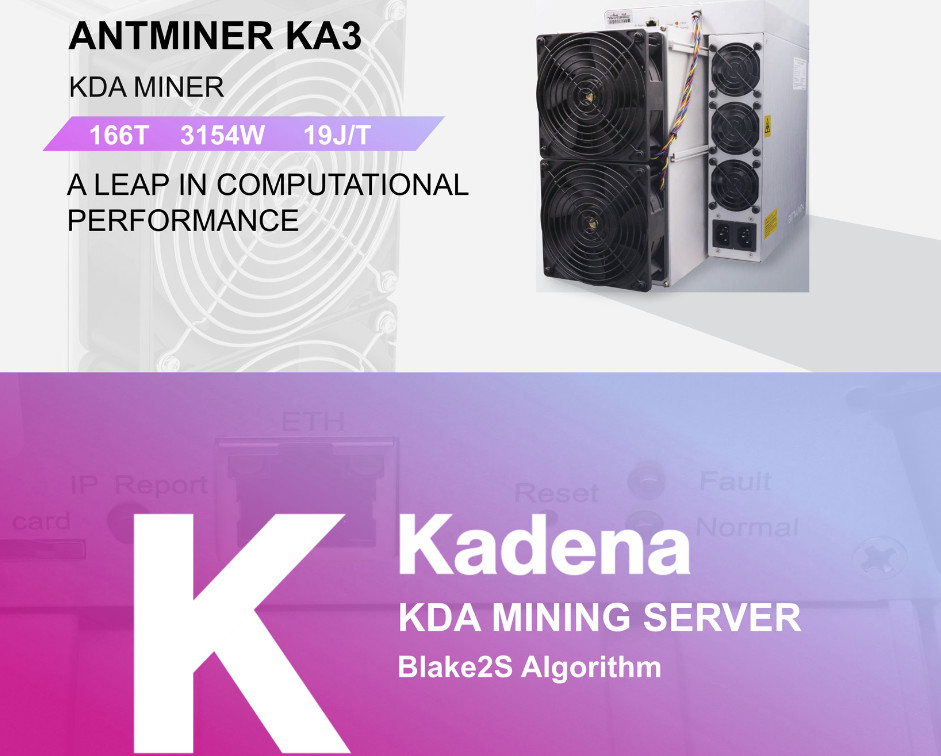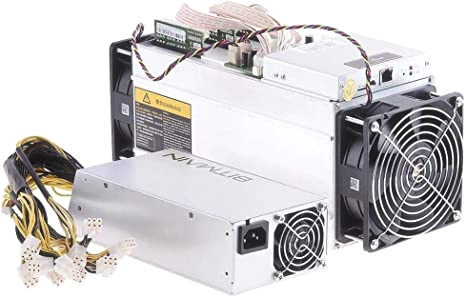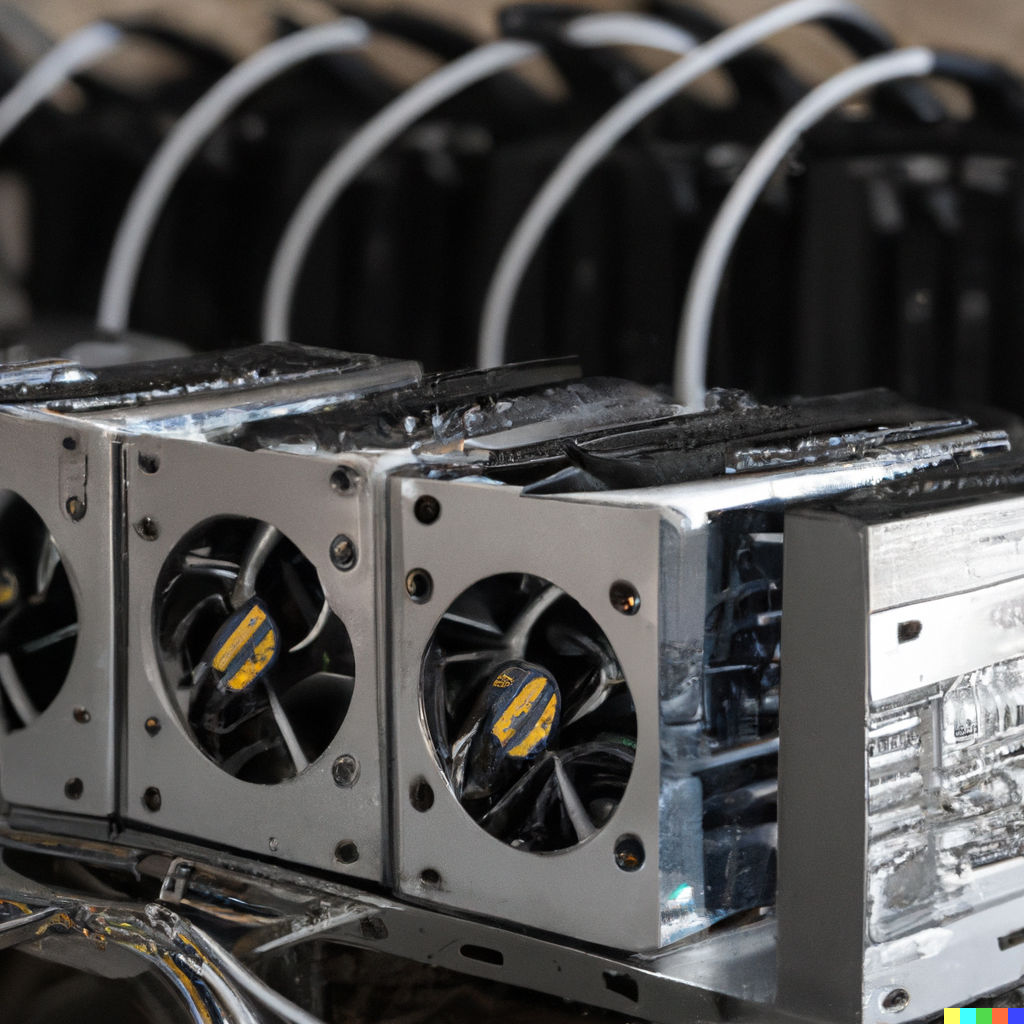


Bitcoin mining is a crucial process that underpins the entire Bitcoin network. It involves solving complex mathematical problems to validate transactions and secure the network. As the popularity of Bitcoin continues to rise, understanding the mining process becomes essential for anyone interested in cryptocurrency.
What is Bitcoin Mining?
At its core, Bitcoin mining is the process of adding transaction records to Bitcoin’s public ledger, known as the blockchain. Miners use powerful computers to solve cryptographic puzzles, and in return, they are rewarded with newly minted bitcoins and transaction fees.
The Mining Process
The mining process consists of several key steps:
- Transaction Verification: Miners collect and verify transactions from the Bitcoin network.
- Block Creation: Verified transactions are grouped into a block.
- Solving the Puzzle: Miners compete to solve a cryptographic puzzle associated with the block.
- Adding to the Blockchain: The first miner to solve the puzzle adds the block to the blockchain and broadcasts it to the network.
Each block contains a reference to the previous block, creating a secure chain of information. This process ensures that all transactions are transparent and immutable.

Why is Bitcoin Mining Important?
Bitcoin mining serves multiple purposes:
- Security: It secures the network against fraud and attacks.
- Decentralization: Mining is distributed across the globe, preventing any single entity from controlling the network.
- New Bitcoin Creation: Mining is the only way to create new bitcoins, making it essential for the cryptocurrency’s supply.
As the Bitcoin network grows, the mining process becomes more competitive, requiring advanced technology and significant energy resources. This has led to discussions about the environmental impact of mining operations.
Environmental Concerns
Bitcoin mining consumes a substantial amount of energy, raising concerns about its environmental footprint. Many miners are now exploring renewable energy sources to mitigate this impact. For instance, some operations are powered by hydroelectricity or solar energy, aiming to reduce their carbon footprint.
The Future of Bitcoin Mining
The future of Bitcoin mining is likely to be shaped by technological advancements and regulatory changes. Innovations in mining hardware and software could lead to more efficient mining processes, while regulations may address environmental concerns and energy consumption.
Additionally, the introduction of Bitcoin ETFs, such as the recent approval by the Swiss financial regulator, could influence mining operations by increasing demand for Bitcoin and potentially affecting mining profitability. For more on this, check out the article from Bitcoin Magazine.
Conclusion
Bitcoin mining is a complex yet fascinating aspect of the cryptocurrency world. As the landscape evolves, staying informed about the latest developments and understanding the mining process will be crucial for anyone looking to engage with Bitcoin. For a deeper dive into Bitcoin’s smallest unit, the satoshi, visit OneMiners.
Additional reading: U.S. CFTC sets agenda for AI forum, exploring trading and agentic finance from CoinDesk.