
As the cryptocurrency landscape evolves, understanding Bitcoin mining costs becomes crucial for miners and investors alike. In 2026, the costs associated with mining Bitcoin are influenced by various factors, including energy prices, equipment expenses, and hosting fees.
Current Trends in Bitcoin Mining Costs
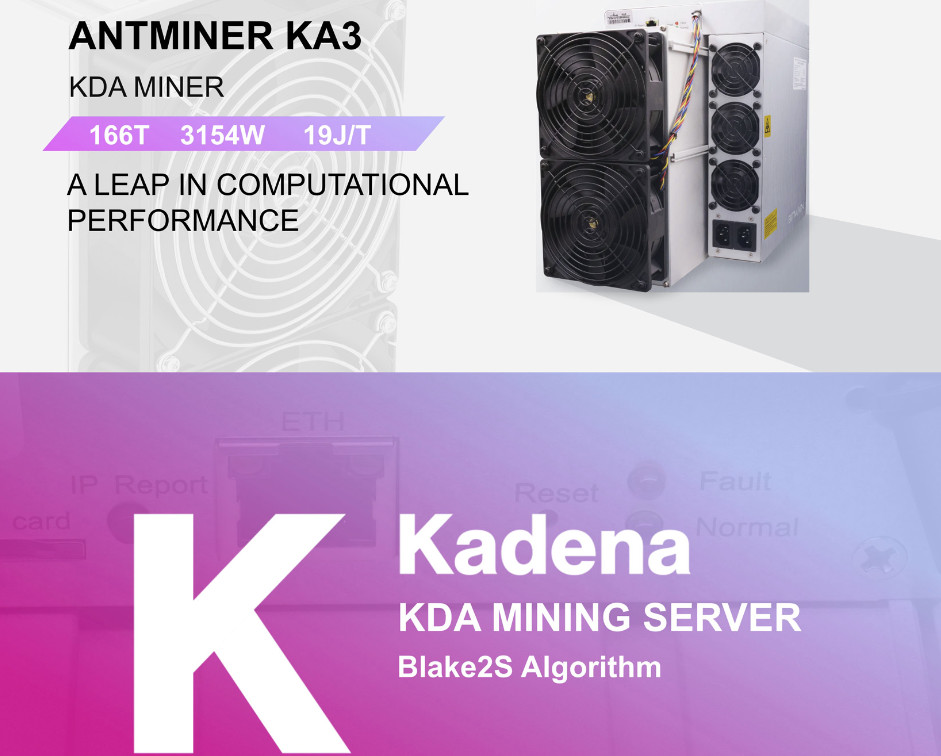
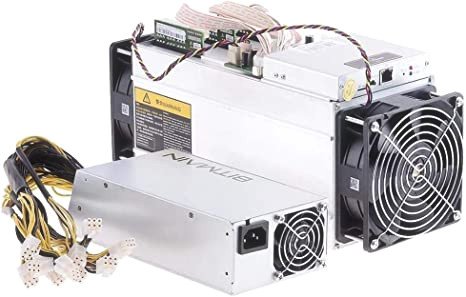
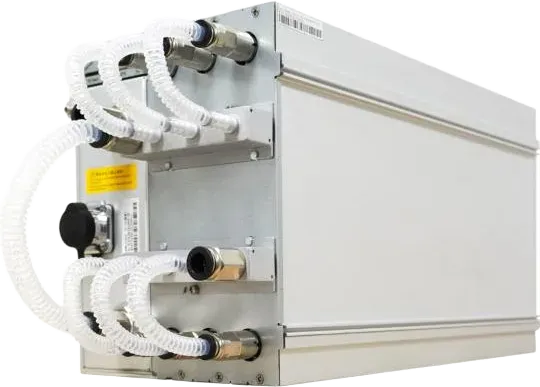
According to a recent report from OneMiners, the cost of electricity for operating an Antminer S23 Hyd over seven years amounts to approximately $12,298.58, while the machine itself costs around $12,299.00. This highlights the significant investment required for miners to remain competitive in the market.
Energy Expenses
Energy costs are a primary concern for Bitcoin miners. The efficiency of mining hardware directly impacts the overall energy consumption. Miners are increasingly seeking locations with lower electricity rates to maximize profitability. For instance, regions with abundant renewable energy sources are becoming attractive for setting up mining operations.
Equipment Costs
The price of mining equipment has fluctuated significantly over the years. As technology advances, newer models offer better performance and energy efficiency. However, the initial investment remains high. Miners must weigh the costs of purchasing new equipment against the potential returns from mining.
In addition to the purchase price, ongoing maintenance and operational costs must be considered. Regular inspections and repairs are essential to ensure that mining rigs operate at peak efficiency.

Hosting Solutions and Their Impact
Many miners opt for hosting solutions to mitigate the challenges of managing their own facilities. Hosting services provide the necessary infrastructure, including power and cooling systems, allowing miners to focus on their operations. The complete hosting rate card from OneMiners outlines various tiers and pricing structures, helping miners make informed decisions.
Market Dynamics
The Bitcoin market is influenced by various external factors, including regulatory changes and macroeconomic conditions. For example, recent discussions around interest rates have led to fluctuations in Bitcoin’s price, as noted by Decrypt. Such dynamics can impact mining profitability, making it essential for miners to stay informed.
Furthermore, the legal landscape surrounding cryptocurrencies continues to evolve. The ongoing legal drama involving figures like Sam Bankman-Fried, as reported by CoinDesk, may also have implications for the broader market and mining operations.
Conclusion
In summary, understanding Bitcoin mining costs in 2026 requires a comprehensive look at energy expenses, equipment pricing, and market dynamics. As the industry continues to evolve, miners must adapt to these changes to remain competitive. Staying informed about the latest trends and developments will be crucial for success in this challenging environment.