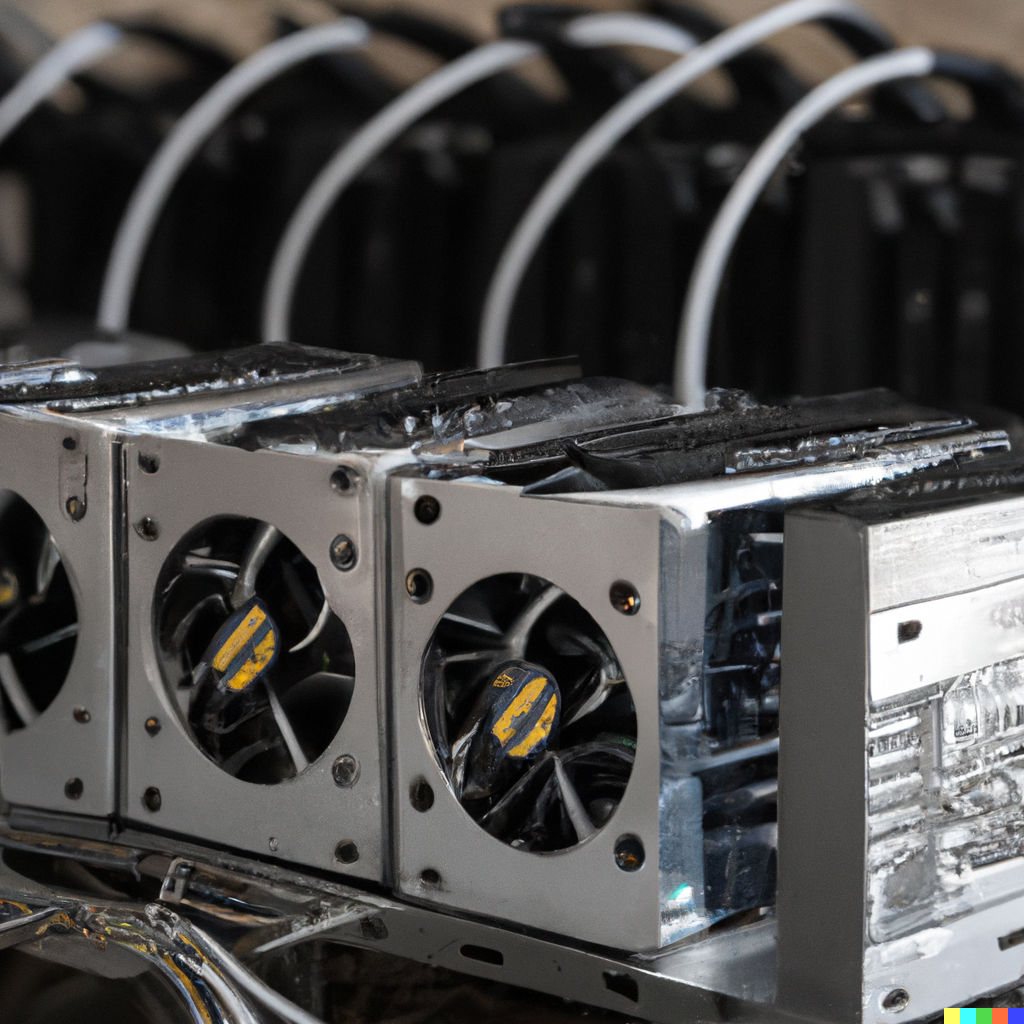


Bitcoin mining has seen significant fluctuations in difficulty, impacting miners’ profitability and strategies. Recently, Bitcoin mining difficulty fell by 19.9% from its peak, marking a pivotal moment for miners navigating this volatile landscape.
What Is Bitcoin Mining Difficulty?
Bitcoin mining difficulty is a measure of how hard it is to find a new block in the Bitcoin blockchain. This metric adjusts approximately every two weeks, ensuring that blocks are added to the blockchain at a consistent rate. When more miners join the network, the difficulty increases; conversely, when miners leave, the difficulty decreases.
As of August 8, 2026, the difficulty level sat at 127.48 trillion, which is below year-earlier levels for only the second time in history. This adjustment can significantly affect miners’ operations, especially those relying on older or less efficient hardware (OneMiners).

Impact of Difficulty Changes on Miners
For miners, a decrease in difficulty typically means a better chance of earning Bitcoin rewards. However, this situation can also indicate a capitulation phase in the market, where less efficient miners are forced to shut down operations due to unprofitability. The recent drop in difficulty suggests that many miners have exited the market, leading to a more favorable environment for those who remain.
Capitulation and Its Implications
Capitulation occurs when miners stop their operations due to sustained losses. This can lead to a temporary decrease in the overall hash rate, which might stabilize the network and allow remaining miners to earn more Bitcoin. However, it also raises concerns about the long-term sustainability of mining operations, especially as energy costs continue to rise.
Energy consumption is a critical factor in Bitcoin mining. Miners often seek locations with cheaper electricity to maintain profitability. As the difficulty decreases, the energy efficiency of mining operations becomes even more crucial. Miners must balance their operational costs with the rewards they receive from mining.
Market Trends and Future Outlook
The cryptocurrency market is always evolving, and understanding these trends is vital for miners. Recent reports indicate that smart money is beginning to support a Bitcoin rebound, as noted by Pantera Capital, which suggests a bullish outlook for Bitcoin in the near future (Bitcoin Magazine).
Moreover, the rise in crypto card spending, which has topped $1 billion, indicates that stablecoins are becoming more integrated into everyday purchases. This trend could further bolster Bitcoin’s position in the market, as more users engage with cryptocurrencies for daily transactions (CoinDesk).
Conclusion
In summary, the recent drop in Bitcoin mining difficulty presents both challenges and opportunities for miners. While it may indicate a capitulation phase, it also allows remaining miners to potentially earn more Bitcoin. Staying informed about market trends and energy costs will be crucial for miners as they navigate this ever-changing landscape.