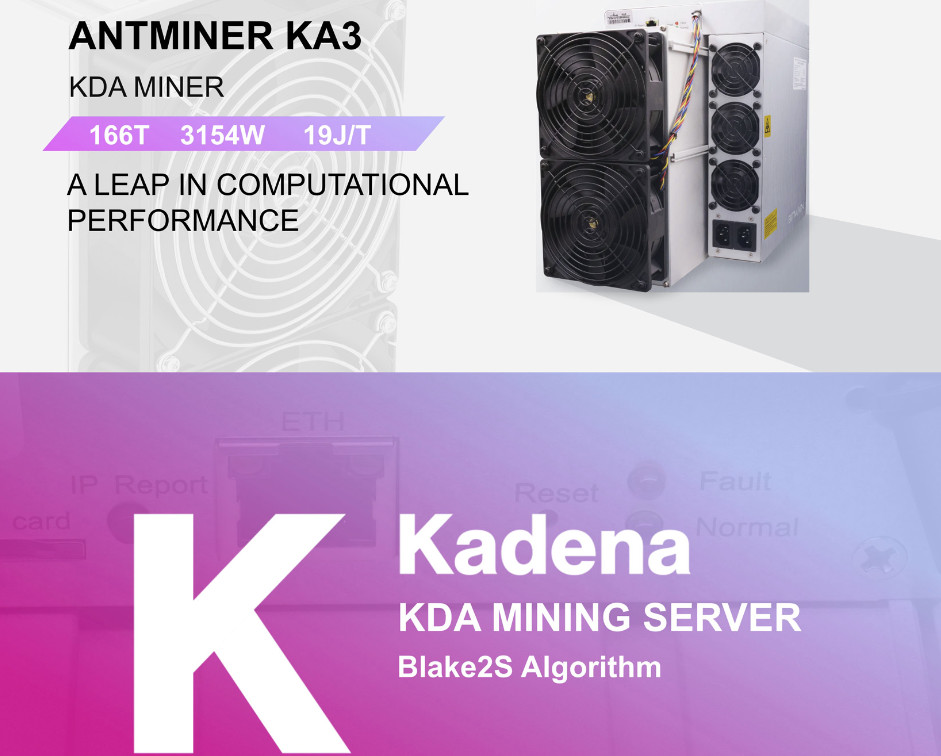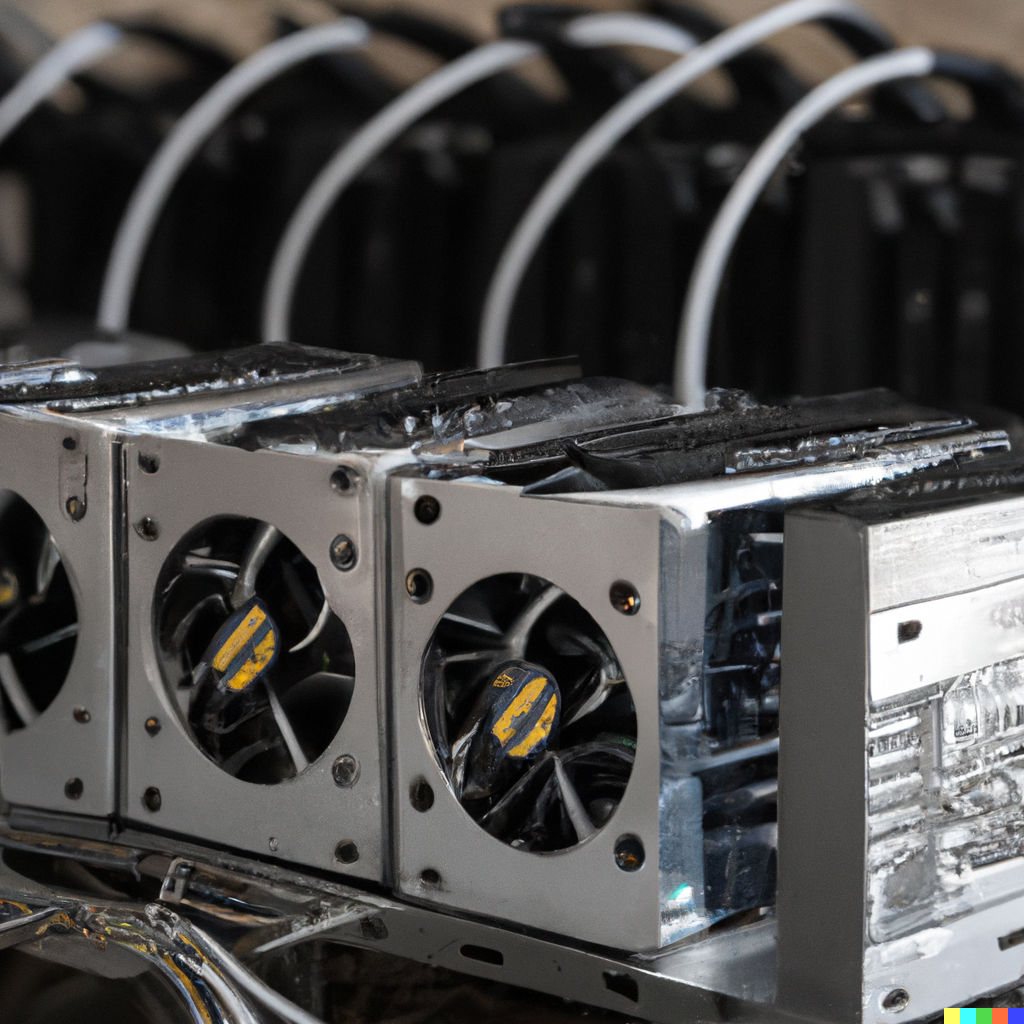


Bitcoin mining has become a significant topic of discussion as the cryptocurrency continues to gain traction globally. Understanding the energy consumption associated with Bitcoin mining is crucial for evaluating its sustainability and future viability.
Energy Consumption in Bitcoin Mining
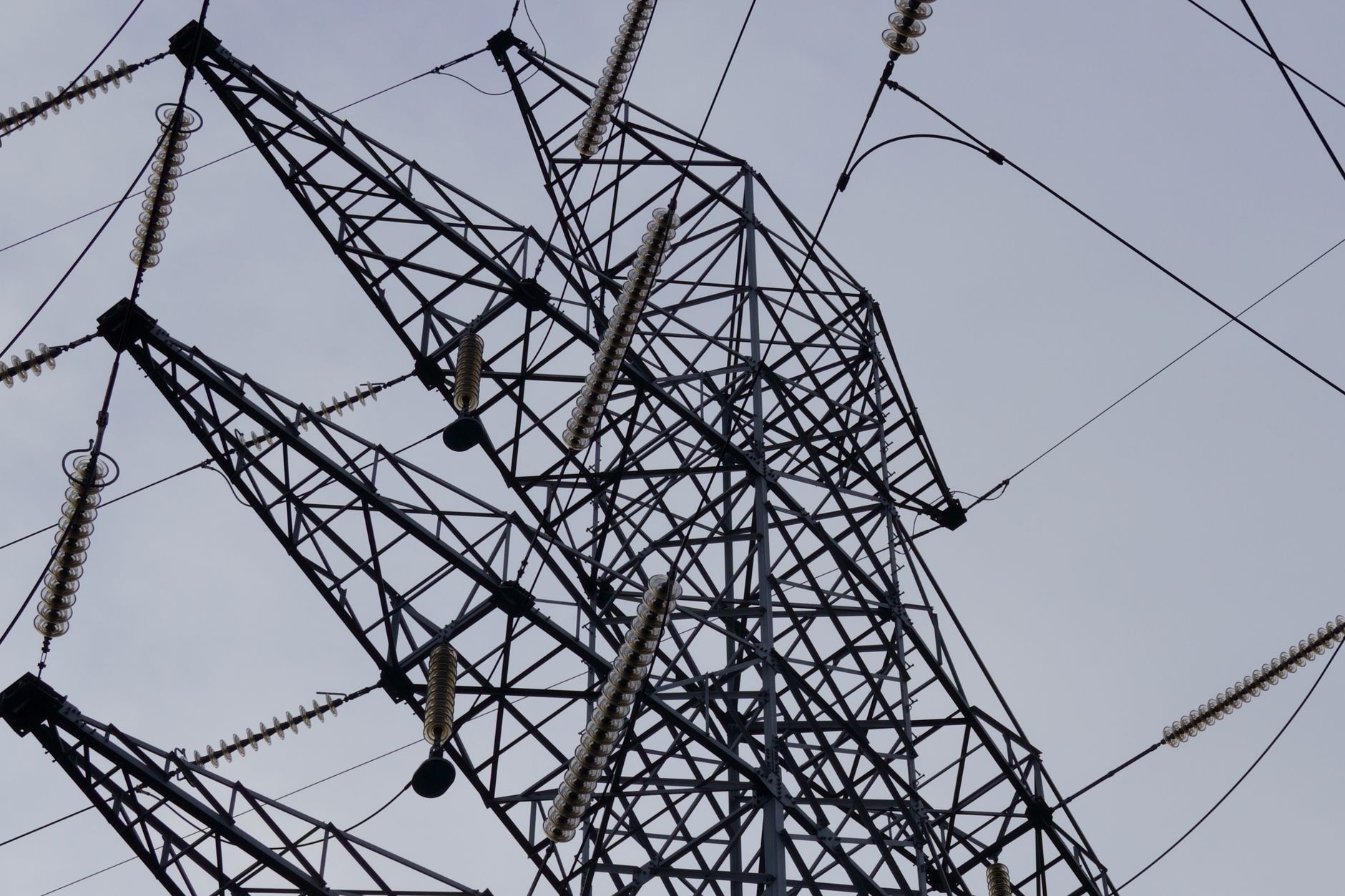
According to a recent article from OneMiners, Bitcoin mining’s energy consumption is projected to be substantial by 2026. The report outlines how much electricity Bitcoin really uses, where it comes from, and how it compares with other industries such as data centers and air conditioning.
One of the key findings is that miner efficiency has improved tenfold over the years. This improvement is essential as it indicates that while Bitcoin mining consumes a lot of energy, advancements in technology are helping to mitigate its environmental impact.
Comparative Analysis of Energy Use
When comparing Bitcoin mining to traditional energy-consuming sectors, it’s important to note that the efficiency of mining operations has increased significantly. This efficiency is not just about the energy consumed but also about the output generated per unit of energy.
For instance, the energy consumption of Bitcoin mining is often compared to that of large data centers. As highlighted in the Bitcoin Magazine, the energy required for Bitcoin mining can be likened to the energy demands of various industries, raising questions about sustainability.
Future of Bitcoin Mining
The future of Bitcoin mining is closely tied to advancements in technology and energy sources. As miners seek to reduce costs and improve efficiency, renewable energy sources are becoming increasingly popular. This shift not only helps in reducing the carbon footprint but also stabilizes energy costs.
Moreover, the demand for Bitcoin is expected to rise, as indicated by CoinDesk, which discusses a significant wealth transfer that could fuel crypto demand. This demand will likely push miners to innovate further in energy efficiency.
Challenges Ahead
Despite the improvements in efficiency, Bitcoin mining still faces several challenges. Regulatory scrutiny is increasing, and environmental concerns are at the forefront of discussions. As governments and organizations push for greener practices, miners will need to adapt to remain compliant and sustainable.
Furthermore, the volatility of Bitcoin prices can impact mining profitability, making it essential for miners to stay informed about market trends and technological advancements. The Decrypt article on AI’s impact on jobs also hints at the broader economic shifts that could influence the cryptocurrency landscape.

Conclusion
In conclusion, Bitcoin mining is a complex interplay of energy consumption, technological advancement, and market dynamics. As the industry evolves, understanding these factors will be crucial for stakeholders involved in Bitcoin mining. Continuous improvements in efficiency and a shift towards renewable energy sources will play a pivotal role in shaping the future of this industry.