
Bitcoin mining has evolved significantly since its inception, becoming a complex and competitive industry. Understanding the lifecycle of ASIC miners is crucial for anyone involved in or considering entering the Bitcoin mining space.
The Role of ASIC Miners in Bitcoin Mining
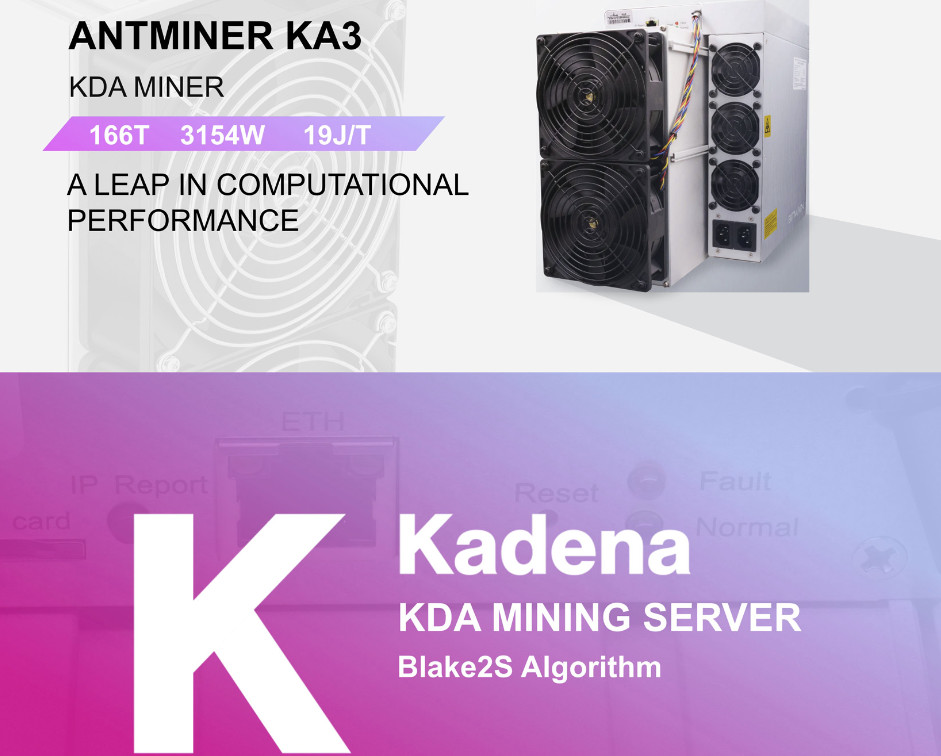
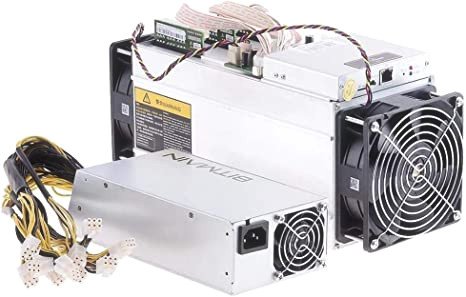
ASIC (Application-Specific Integrated Circuit) miners are specialized hardware designed specifically for mining cryptocurrencies like Bitcoin. Unlike general-purpose hardware, ASIC miners are optimized for the specific algorithms used in Bitcoin mining, making them far more efficient.
According to a recent article from OneMiners, the lifecycle of these miners can be complex. They do not cease functioning immediately when they stop being profitable. This distinction is essential for miners to understand, as it can lead to costly mistakes if not properly managed.
Understanding ASIC Miner Longevity
ASIC miners have a defined lifespan, often influenced by technological advancements and market conditions. The 2026 retirement schedule for ASIC miners indicates that many units may still operate long after they become unprofitable. This means that miners must carefully evaluate when to upgrade their equipment.
As noted in the same article, Bitcoin’s price and network difficulty play significant roles in determining the profitability of mining operations. For instance, as of September 2026, Bitcoin was trading at approximately $78,500, which impacts the overall mining landscape.
In addition to profitability, miners must also consider the environmental impact of their operations. The energy consumption of ASIC miners is a hot topic, with many advocating for more sustainable practices in the industry.
Future Trends in Bitcoin Mining
The future of Bitcoin mining is likely to be shaped by several factors, including regulatory changes, technological advancements, and market dynamics. For example, US Treasury Secretary Scott Bessent has urged the Senate to pass the Clarity Act, which could significantly impact the regulatory landscape for cryptocurrencies.
Moreover, companies like Block, founded by Jack Dorsey, are seeking banking charters to provide more robust financial services for Bitcoin, indicating a shift towards institutional adoption of cryptocurrency.
As the industry continues to evolve, miners will need to stay informed about the latest developments and adapt their strategies accordingly. The integration of new technologies and the potential for increased regulation will shape the future of Bitcoin mining.
Conclusion
Understanding the lifecycle and future of ASIC miners is essential for anyone involved in Bitcoin mining. As the industry matures, staying informed about technological advancements and regulatory changes will be key to maintaining profitability and sustainability in mining operations.
Additional reading: Indian agri warehouse giant is putting $2 billion in grain-backed loans onchain from CoinDesk.