

Bitcoin mining has evolved significantly, with 2026 marking a pivotal year in its global landscape. As the demand for Bitcoin continues to rise, understanding the dynamics of mining operations worldwide is crucial.
Current Leaders in Bitcoin Mining
According to a recent report by OneMiners, the United States leads the world in Bitcoin mining, accounting for 36.7% of the global hashrate. This dominance is followed by countries like Russia and China, which have historically been significant players in the mining sector.
Factors Influencing Mining Locations
The geographical distribution of Bitcoin mining is influenced by several factors, including:
- Energy Costs: Regions with cheaper electricity rates tend to attract more mining operations.
- Regulatory Environment: Countries with favorable regulations for cryptocurrency often see increased mining activity.
- Infrastructure: Access to robust internet and power infrastructure is vital for efficient mining.
As highlighted in the CoinDesk article, advancements in technology, including AI, are also reshaping the mining landscape, potentially impacting operational efficiencies.
Technological Advancements in Mining
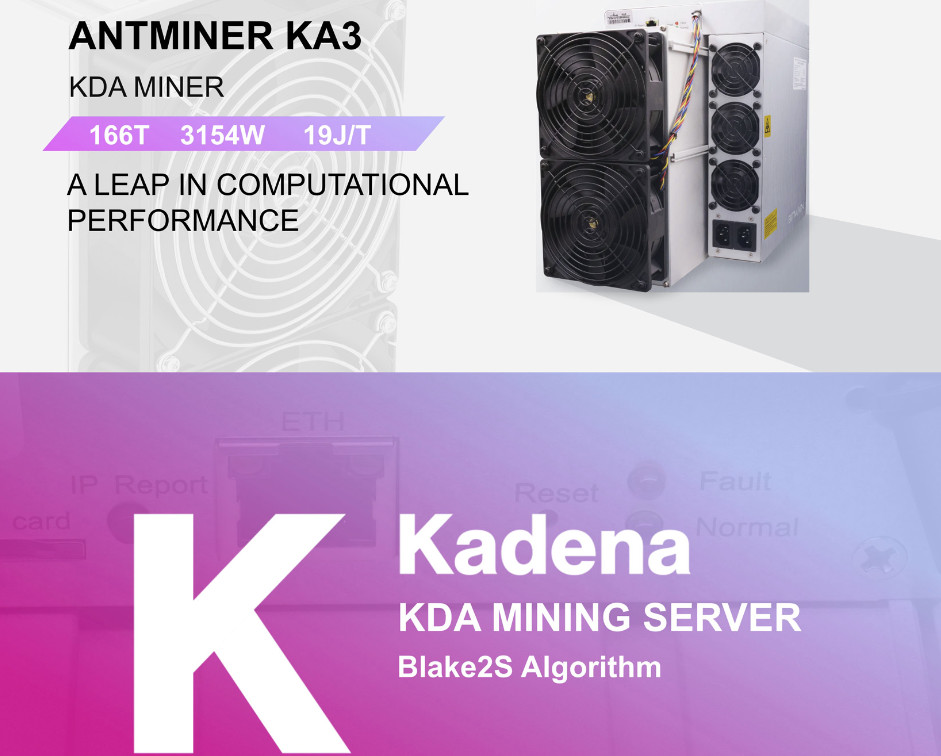
In 2026, technological advancements play a crucial role in enhancing the efficiency of Bitcoin mining. Innovations in hardware, such as the latest ASIC miners, have significantly improved hashing power while reducing energy consumption.
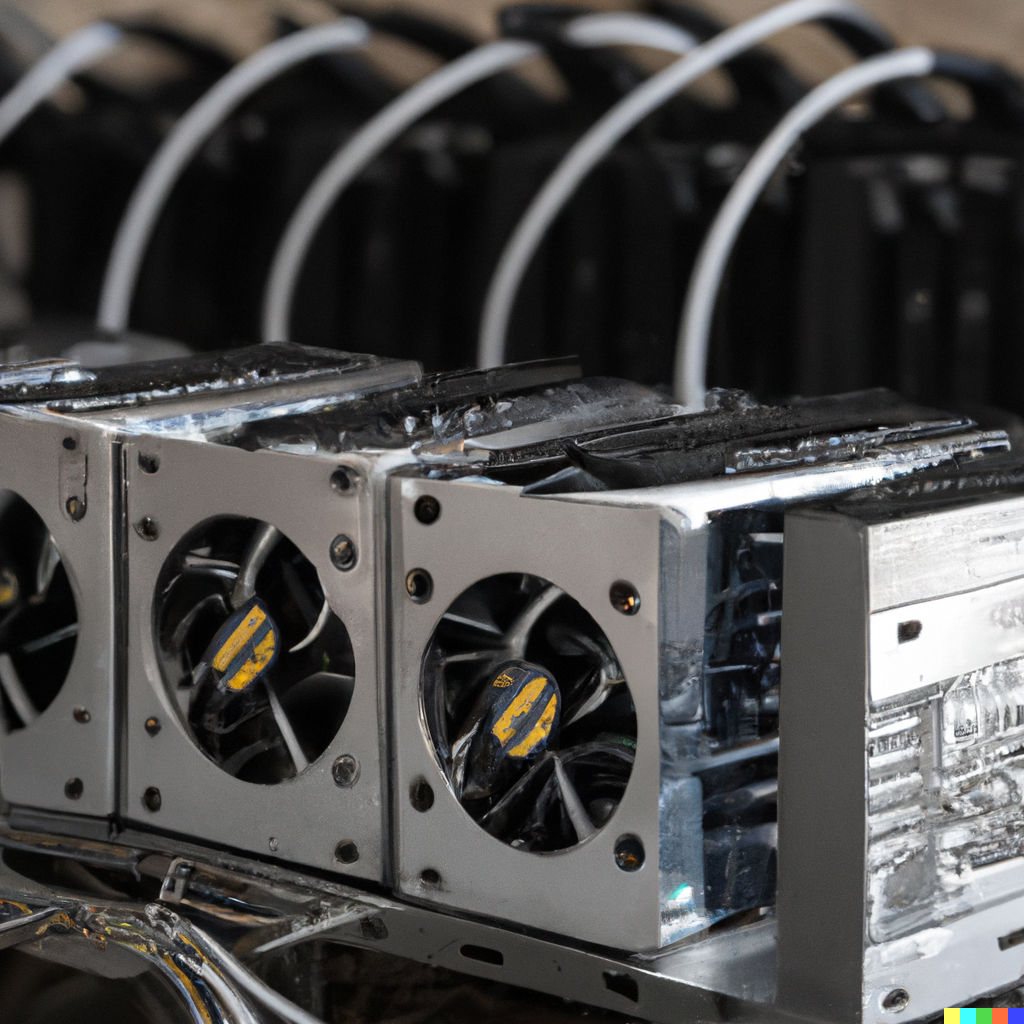
Moreover, cooling systems have become more sophisticated, ensuring that mining rigs operate optimally without overheating. As noted in a Bitcoin Magazine article, these improvements are essential for maintaining profitability in a highly competitive environment.
Environmental Considerations
With the rise of Bitcoin mining, environmental concerns have also come to the forefront. The energy consumption associated with mining operations has sparked debates about sustainability. Many mining companies are now exploring renewable energy sources to mitigate their carbon footprint.
As the industry evolves, balancing profitability with environmental responsibility will be key. The Decrypt report emphasizes the need for miners to adapt to changing regulations and public sentiment regarding energy use.

Conclusion
In summary, the Bitcoin mining landscape in 2026 is characterized by significant advancements in technology, a shift in leading countries, and growing environmental awareness. As the industry continues to evolve, staying informed about these trends will be essential for stakeholders and enthusiasts alike.