

Bitcoin mining has become a crucial aspect of the cryptocurrency ecosystem, serving as the backbone for transaction verification and network security. One of the key metrics that miners need to understand is hashprice, which directly influences their profitability.
What is Hashprice?
Hashprice is a term that refers to the revenue generated per terahash of computational power used in Bitcoin mining. It is a vital metric for miners as it helps them gauge their earnings based on the current network conditions and Bitcoin price. For a detailed explanation of hashprice, you can refer to the article on OneMiners.
How Hashprice Affects Miner Revenue
The hashprice fluctuates based on several factors, including the overall Bitcoin price, mining difficulty, and the total hash rate of the network. When the Bitcoin price rises, the hashprice typically increases, leading to higher potential earnings for miners. Conversely, during market downturns, the hashprice may decrease, impacting miner revenue significantly.
Miners must continuously monitor these changes to optimize their operations. Understanding how to calculate hashprice can help miners determine their break-even power price, which is crucial for maintaining profitability.

Factors Influencing Hashprice
- Bitcoin Price: The most direct influence on hashprice is the market price of Bitcoin. Higher prices generally lead to higher hashprices.
- Mining Difficulty: As more miners join the network, the mining difficulty increases, which can lower the hashprice if Bitcoin prices do not keep pace.
- Network Hash Rate: A higher total hash rate can dilute individual miner earnings, affecting the hashprice.
For more insights on the implications of hashprice, check out the analysis by CoinDesk.
Strategies for Maximizing Mining Profitability
To enhance profitability, miners can adopt various strategies:
- Optimize Power Costs: Since electricity is a significant expense, miners should seek locations with lower energy costs.
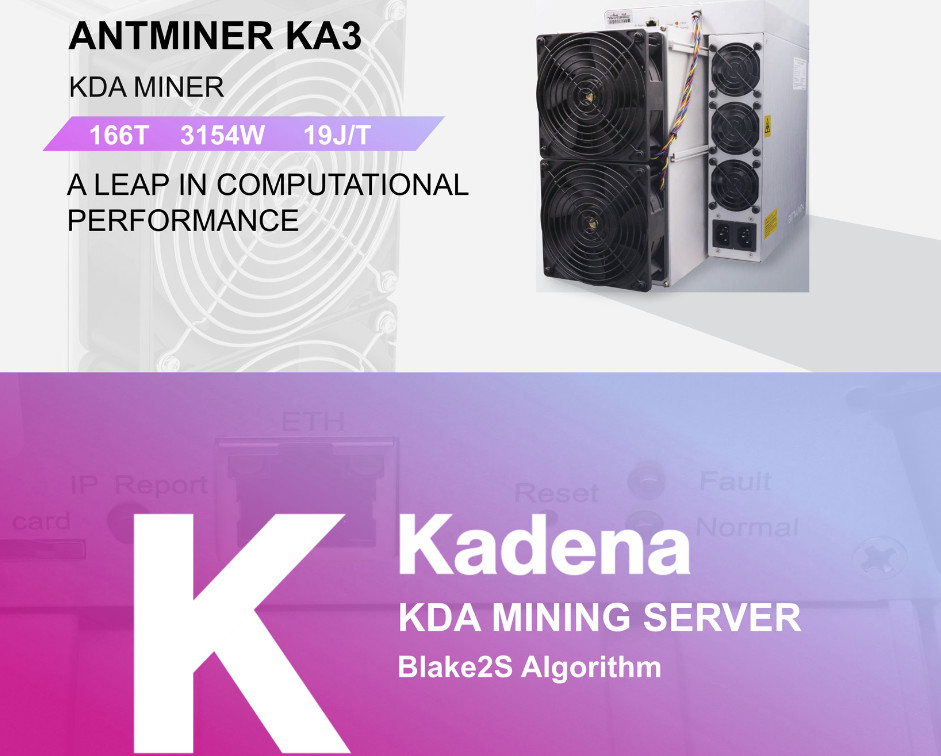
- Invest in Efficient Hardware: Using the latest ASIC miners can improve hash rates and reduce power consumption.
- Monitor Market Trends: Staying informed about Bitcoin market trends can help miners make timely decisions regarding their operations.
For a broader perspective on the cryptocurrency landscape, consider reading the recent updates from Decrypt.

Conclusion
Understanding hashprice is essential for anyone involved in Bitcoin mining. By keeping track of this metric and the factors that influence it, miners can make informed decisions to enhance their profitability. As the cryptocurrency market continues to evolve, staying updated with reliable sources will be key to navigating the complexities of Bitcoin mining.