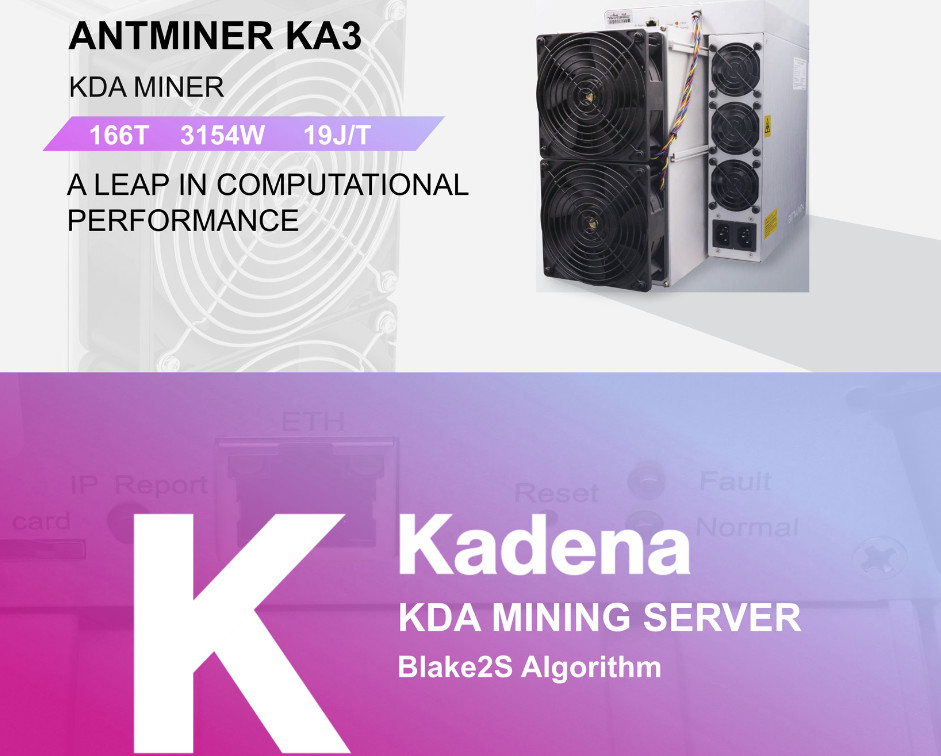


Bitcoin mining is a crucial process that involves validating transactions and adding them to the blockchain. One of the key metrics that miners need to understand is hashprice, which directly influences their profitability.
What is Hashprice?
Hashprice is defined as the revenue generated per terahash per second (TH/s) of mining power. This metric helps miners determine how much they can expect to earn based on their mining hardware’s performance. Understanding hashprice is essential for miners to assess their operational costs and potential profits.
According to OneMiners, the hashprice fluctuates based on several factors, including Bitcoin’s market price, mining difficulty, and network hash rate. By keeping track of these variables, miners can make informed decisions about their operations.
Factors Affecting Hashprice
- Bitcoin Market Price: The higher the price of Bitcoin, the more revenue miners can potentially earn.
- Mining Difficulty: As more miners join the network, the difficulty increases, which can lower hashprice.
- Network Hash Rate: A higher hash rate means more competition, which can also affect profitability.
Miners must calculate their break-even power price to ensure they remain profitable. This involves understanding their energy costs and how they relate to the current hashprice.
Real-World Applications of Bitcoin Mining
In some innovative cases, Bitcoin mining has been integrated into local economies. For instance, a Finnish startup has implemented Bitcoin mining systems that provide free heating to homes, as long as Bitcoin remains above a certain price point. This unique approach not only supports the mining operation but also benefits the local community by reducing heating costs. More details can be found in this CoinDesk article.
Such examples highlight the potential for Bitcoin mining to contribute positively to local economies while also addressing energy consumption challenges.
Conclusion
Understanding hashprice is vital for anyone involved in Bitcoin mining. By keeping an eye on market trends and operational costs, miners can optimize their strategies and enhance profitability. As the industry evolves, innovative applications of mining technology will continue to emerge, showcasing the versatility of Bitcoin mining beyond mere profit generation.
For further insights into Bitcoin mining and its financial implications, refer to the full discussion on OneMiners.
Additional reading: U.S. Treasury Cuts Off MEXC From U.S. Financial System Over Alleged $16 Billion in Illicit Flows from Bitcoin Magazine.