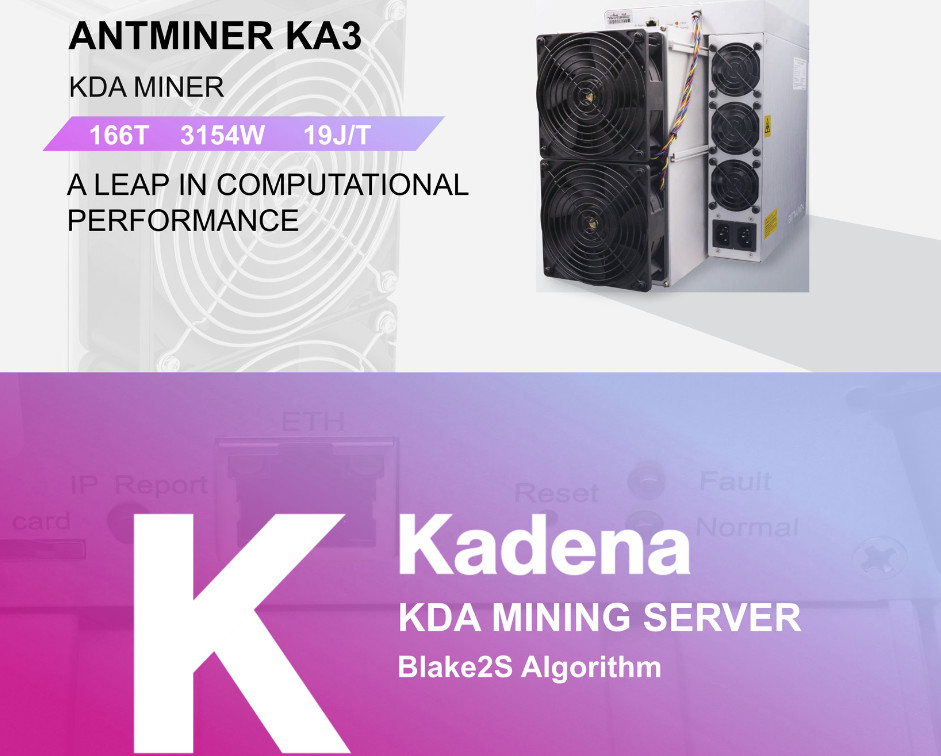


Bitcoin mining is a crucial aspect of the cryptocurrency ecosystem, enabling transactions and securing the network. One of the key metrics that miners need to understand is hashprice, which directly influences their profitability.
What is Hashprice?
Hashprice is a metric that indicates how much revenue a Bitcoin miner can expect to earn per terahash of computing power. This number fluctuates based on various factors, including the current price of Bitcoin and the network’s difficulty level. Understanding hashprice is essential for miners to calculate their potential earnings and determine their break-even power price.
According to OneMiners, hashprice can be influenced by market conditions, making it a vital tool for miners to assess their operations.
Factors Affecting Hashprice
- Bitcoin Price: The higher the price of Bitcoin, the more revenue miners can generate.
- Mining Difficulty: As more miners join the network, the difficulty increases, affecting hashprice.
- Electricity Costs: Miners must consider their operational costs, particularly electricity, which can significantly impact profitability.
Miners can use hashprice to make informed decisions about their operations, including when to scale up or down based on profitability. For instance, if hashprice drops below a miner’s operational costs, it may be time to reevaluate their strategy.

Calculating Mining Profitability
To calculate mining profitability, miners need to consider their hashprice alongside their total hash rate and electricity costs. The formula is straightforward:
Profitability = (Hashrate x Hashprice) – Electricity Costs
By plugging in their numbers, miners can determine whether their operations are sustainable. This calculation is crucial, especially in a volatile market where Bitcoin prices can fluctuate dramatically.
For further insights into the challenges and opportunities within the crypto industry, check out this article from CoinDesk.
Future of Bitcoin Mining
The future of Bitcoin mining is closely tied to technological advancements and regulatory developments. As the industry evolves, miners must adapt to new challenges, such as increasing energy costs and environmental concerns. Innovations in mining hardware and cooling systems are essential for maintaining profitability.
Moreover, regulatory changes can impact the mining landscape significantly. For example, recent discussions around allowing cryptocurrencies in 401(k) plans could influence investment in mining operations, as highlighted by Bitcoin Magazine.

Conclusion
Understanding hashprice and its implications is vital for anyone involved in Bitcoin mining. By staying informed about market trends and operational costs, miners can navigate the complexities of the industry and make strategic decisions to enhance their profitability.