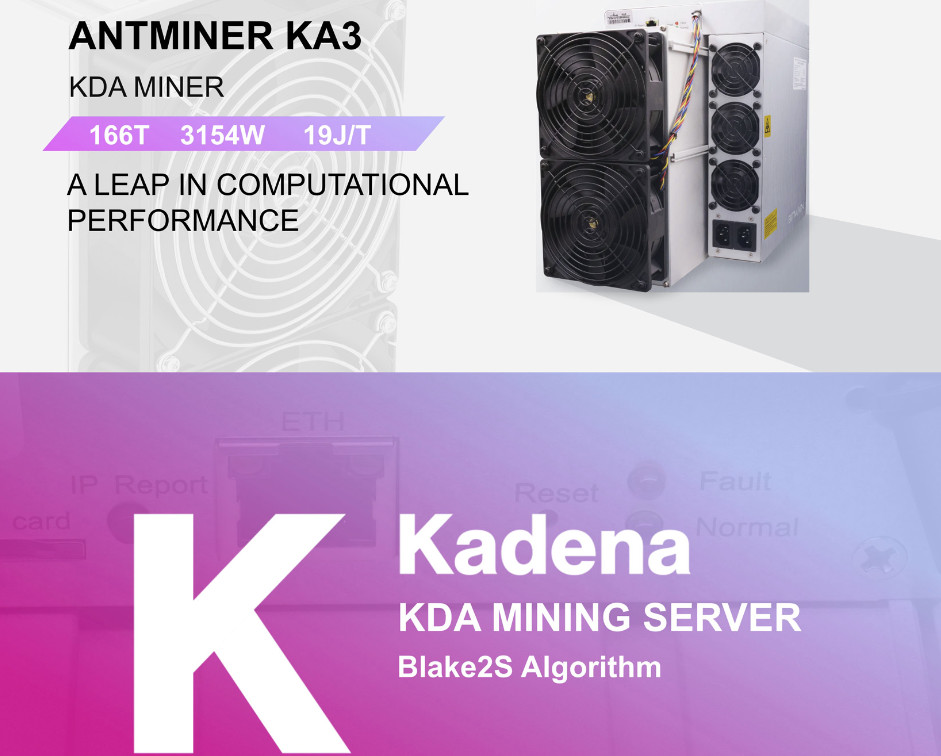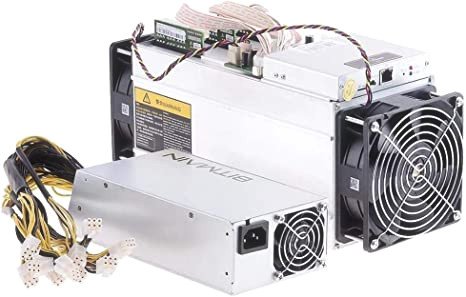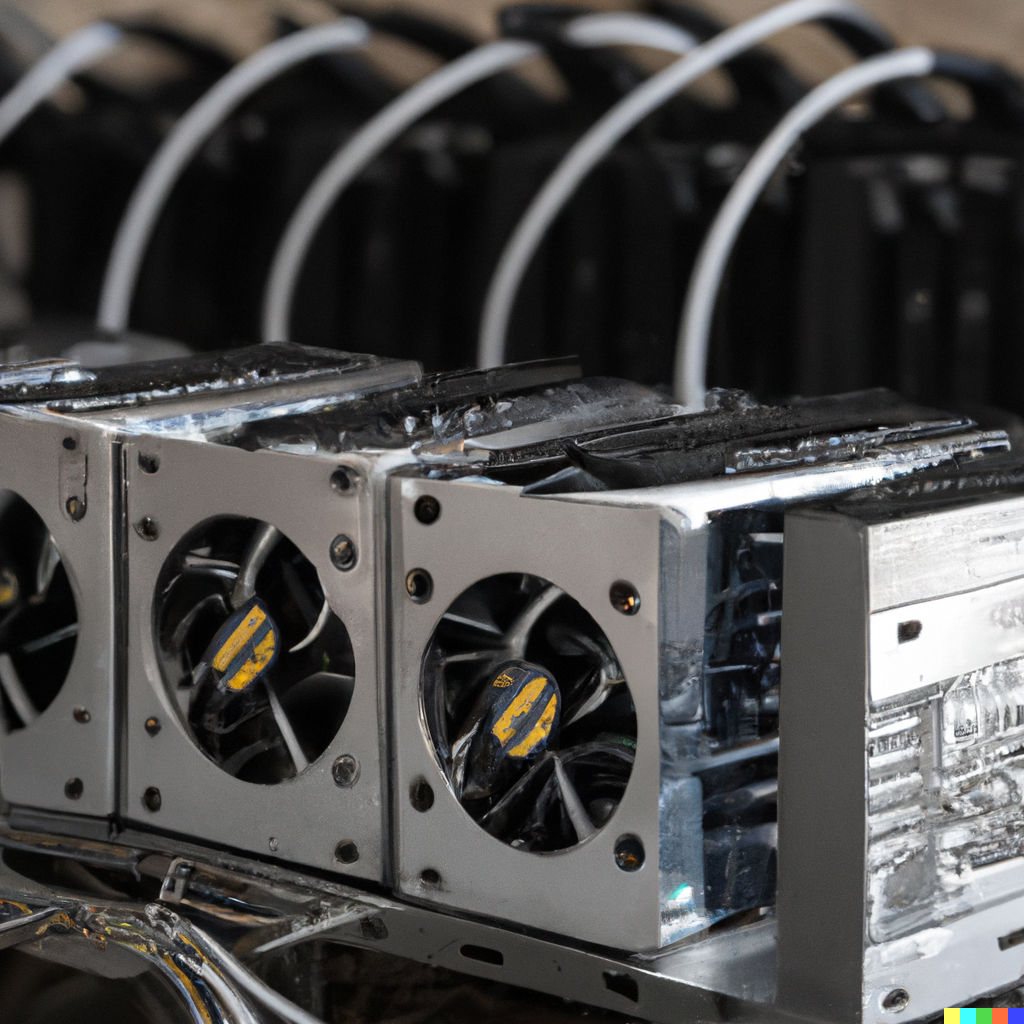


Bitcoin mining has undergone significant transformations since its inception, evolving from simple CPU mining to complex operations involving specialized hardware. As the demand for Bitcoin increases, so does the need for more efficient mining methods. One of the most promising advancements in this field is the shift towards hydro cooling technology.
What is Bitcoin Mining?
At its core, Bitcoin mining is the process of validating transactions on the Bitcoin network and adding them to the blockchain. Miners use powerful computers to solve complex mathematical problems, and in return, they are rewarded with newly minted bitcoins. This process requires substantial computational power, leading to increased energy consumption and heat generation.
The Challenges of Traditional Mining Methods
Traditional air cooling methods have been the norm in Bitcoin mining. However, they face significant limitations. According to a recent article from OneMiners, air cooling reaches a physical ceiling at approximately 13.5 J/TH. This limitation can hinder the efficiency of mining operations, especially as miners strive for higher performance.
The Advantages of Hydro Cooling
Hydro cooling technology presents a viable alternative to traditional methods. It allows for better heat dissipation, enabling miners to operate their equipment at higher efficiency levels. The OneMiners article highlights that hydro cooling can achieve efficiencies as low as 9.5 J/TH, significantly improving performance metrics.
Efficiency and Performance
- Lower Energy Costs: Hydro cooling systems can reduce energy costs associated with cooling.
- Increased Longevity: By maintaining optimal operating temperatures, equipment lifespan is extended.
- Scalability: Hydro cooling setups can be scaled more easily than traditional air-cooled systems.
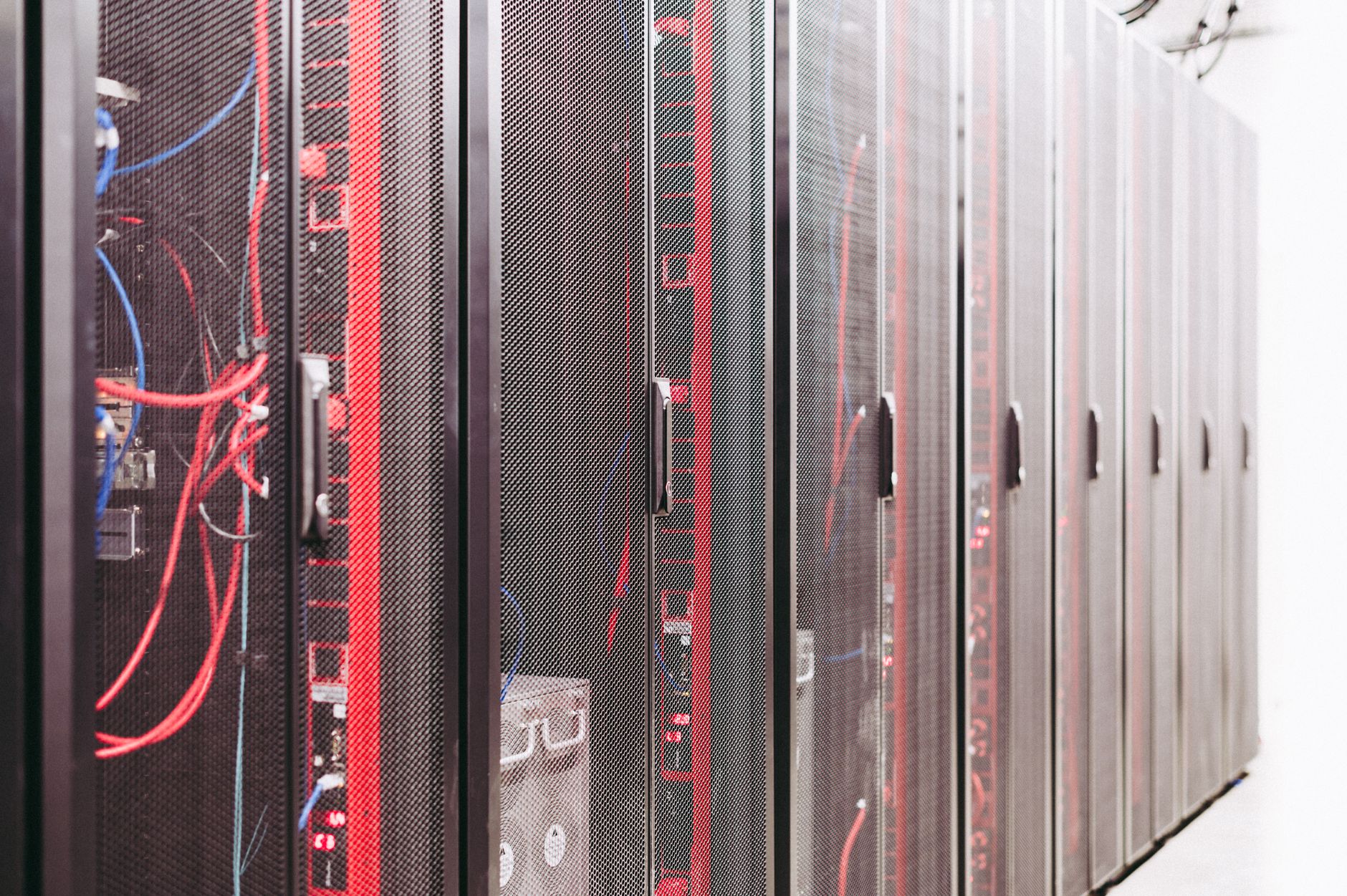
Implementing Hydro Cooling in Mining Operations
Transitioning to hydro cooling requires careful planning and investment. Miners must consider the infrastructure needed to support these systems, including water supply and waste management. However, the long-term benefits often outweigh the initial costs.
Real-World Applications
Several mining operations have already adopted hydro cooling technology, showcasing its effectiveness. For instance, companies are increasingly integrating hydro cooling systems into their existing setups to enhance performance. This trend is expected to grow as more miners recognize the advantages of this technology.
In addition to operational benefits, hydro cooling can also contribute to sustainability efforts within the cryptocurrency space. As environmental concerns rise, adopting more efficient cooling methods can help reduce the carbon footprint of mining activities.
Conclusion
As Bitcoin mining continues to evolve, the shift towards hydro cooling technology represents a significant advancement in the industry. By overcoming the limitations of traditional air cooling, hydro cooling systems offer enhanced efficiency, lower energy costs, and improved equipment longevity. For miners looking to stay competitive, investing in hydro cooling technology may be a crucial step forward.
For more insights into the latest trends in Bitcoin mining, check out articles from CoinDesk and Bitcoin Magazine.