

Bitcoin mining has become a significant topic of discussion as the cryptocurrency landscape evolves. With increasing regulations and technological advancements, understanding the current state of Bitcoin mining is crucial for both enthusiasts and investors.
Legal Challenges in Bitcoin Mining
As Bitcoin mining gains popularity, various jurisdictions are implementing regulations that affect its legality. For instance, Moscow has banned home crypto mining until 2032, which raises questions about the future of decentralized mining operations in urban areas. This ban is part of a broader trend where power grids are pushing back against miners due to the high energy consumption associated with mining activities. The OneMiners article provides an in-depth look at these regulations and the responses from miners.
Energy Consumption and Sustainability
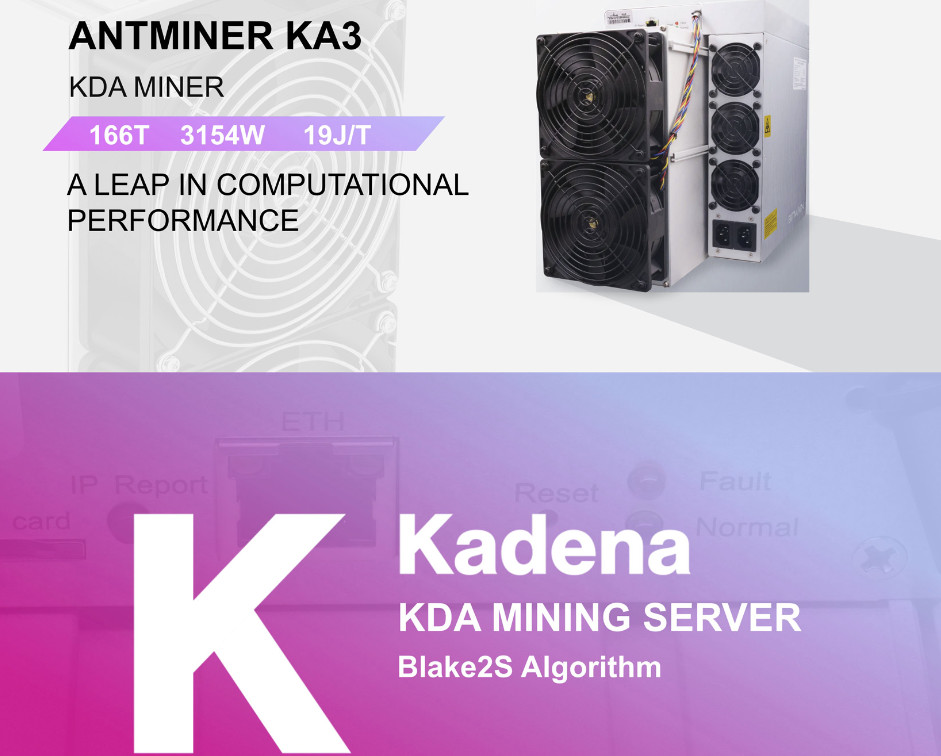
Bitcoin mining is notorious for its energy consumption. A single mining machine can use a significant amount of electricity, leading to concerns about its environmental impact. Miners are exploring various solutions, including renewable energy sources, to mitigate these concerns. The push for sustainable practices is becoming increasingly important as regulatory scrutiny intensifies.
Future Trends in Bitcoin Mining
The future of Bitcoin mining is likely to be shaped by technological advancements and regulatory changes. For example, the recent completion of the first experimental quantum-safe transaction demonstrates the ongoing innovation within the Bitcoin network. This transaction utilized existing rules to protect funds from potential future quantum attacks without requiring a network upgrade, as reported by Decrypt.
Moreover, companies are adapting their strategies in response to market fluctuations. For instance, Genius Group recently announced plans to rebuild its Bitcoin holdings after liquidating its previous stash. This move reflects a broader trend where companies are reassessing their positions in the cryptocurrency market, as noted by Bitcoin Magazine.
Global Regulatory Landscape
Countries around the world are developing their regulatory frameworks for cryptocurrencies. Pakistan, for example, has established its crypto regulatory regime using only 8% of its allocated budget, showcasing a commitment to fostering a secure environment for digital assets. This initiative was highlighted during the Bitcoin Asia conference, where Minister Bilal Bin Saqib discussed the rapid development of their regulatory framework. More details can be found in the Bitcoin Magazine article.

Conclusion
As Bitcoin mining continues to evolve, staying informed about legal challenges and future trends is essential for anyone involved in the cryptocurrency space. The interplay between regulation, technology, and market dynamics will shape the future of Bitcoin mining, making it a critical area for ongoing observation.